Plant Overview
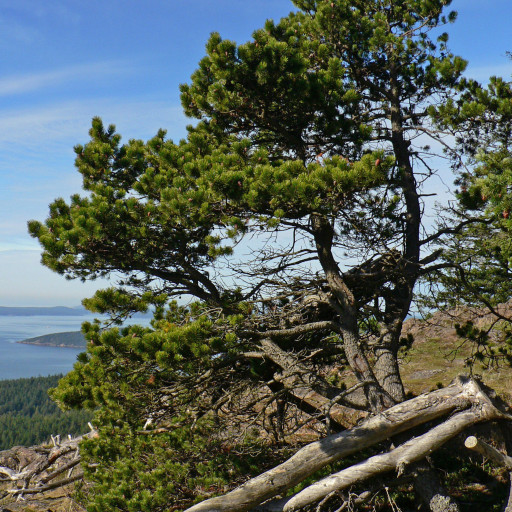
Known as the "Lodgepole Pine," Pinus contorta is a legendary survivor of the American West. Its common name comes from its historical use by Indigenous peoples, who prized the long, straight trunks of the mountain variety for supporting their lodges and teepees. Whether standing tall in a dense forest or twisted into a wind-swept bonsai shape on a coastal cliff, this pine is a master of adaptation.
🔍 How to Identify
- 🌲 The Needles: Look for needles that grow in bundles of two (fascicles). They are typically 1 to 3 inches long, yellowish-green, and often slightly twisted or "contorted."
- 🥥 Prickly Cones: The cones are small and egg-shaped, often pointing back toward the branch. Each scale usually features a tiny, sharp prickle at the tip.
- 🧥 Scaly Bark: Unlike the thick, plated bark of some pines, the Lodgepole has relatively thin, scaly, grayish-brown bark that flakes off easily.
🏡 In Your Garden
- ☀️ Sun Seekers: This is a "pioneer species," meaning it is often the first tree to grow after a landscape has been cleared. Because of this, it demands full sun and will quickly thin out or die if it is shaded by taller neighbors.
- 🏔️ Rugged Resilience: It is famous for its ability to grow in "sour" (acidic) or nutrient-poor soils. It handles wind and cold exceptionally well, making it a great choice for high-altitude or coastal gardens where other trees might struggle.
⚠️ Safety & Toxicity
- ✅ Generally Safe: The Lodgepole Pine is not considered toxic to humans, dogs, or cats.
- 💧 Sticky Resin: The tree produces a lot of sticky sap (resin). While not poisonous, it is incredibly difficult to remove from pet fur or clothing and can occasionally cause mild skin irritation for people with sensitive skin.
- 🧤 Prickle Warning: The small spines on the cones can be sharp, so wear gloves if you are collecting them for crafts.
✨ Fun Fact
Many Lodgepole Pines have "serotinous" cones, which are sealed shut by a thick layer of resin. These cones can hang on the tree for years and will only melt open to release their seeds when they feel the intense heat of a forest fire!

Detailed Care Instructions
To grow Pinus contorta, also known as lodgepole pine, you can follow these steps:
- Select the location: Pinus contorta thrives in full sun to partial shade, so choose a spot in your garden that receives at least six hours of direct sunlight each day. Ensure the soil is well-draining.
- Prepare the soil: Lodgepole pines can adapt to various soil types, but they prefer acidic, well-draining soil. If your soil is heavy clay or compacted, amend it with organic matter like compost to improve drainage.
- Plant the seeds or seedlings: You have two options for planting Pinus contorta - using seeds or seedlings (also called transplants).
- If using seeds, collect fresh cones from an existing tree in autumn. Let the cones dry out naturally, and then extract the seeds. Sow the seeds in pots filled with well-draining potting mix, press them lightly into the soil, and cover them with a thin layer of soil. Keep the soil moist and place the pots in a location with indirect light. The seeds usually germinate in a few weeks to a few months.
- If using seedlings, obtain them from a reputable nursery or garden center. Dig a hole that is slightly wider and deeper than the root ball of the seedling. Place the seedling in the hole, backfill with soil, and gently firm the soil around the base. Water thoroughly after planting.
- Watering: Regular watering is crucial for the first year after planting, especially during dry spells. Keep the soil evenly moist, but not waterlogged. Once established, Pinus contorta is relatively drought-tolerant and only requires watering during prolonged droughts.
- Mulching: Apply a layer of organic mulch, such as wood chips or bark, around the base of the tree to retain moisture, suppress weeds, and regulate soil temperature.
- Pruning: Pinus contorta generally has a naturally attractive form and does not require much pruning. However, if necessary, you can remove any dead, damaged, or diseased branches.
- Fertilization: Lodgepole pines are adapted to nutrient-poor soils and generally do not require fertilization. However, if your soil lacks nutrients, you can apply a slow-release, balanced fertilizer in early spring.
- Pest and disease management: Monitor for common pests and diseases that affect pine trees, such as bark beetles, pine needle scale, and rust diseases. Treat any infestations or infections promptly to prevent damage.
- Maintenance: Regularly inspect the tree for signs of distress, such as yellowing or drooping needles, and address any issues promptly. Remove weeds around the base of the tree regularly to prevent competition for nutrients and water.
- Patience: Growing Pinus contorta from seed to a tree takes time and patience. It can take several years for the tree to reach maturity, so ensure you provide consistent care and maintain a long-term commitment.
Remember to check your local regulations before planting Pinus contorta, as it may be considered invasive in some areas.

Place in a bright room that is sun drenched almost all day. Or directly in a south-facing window.

Pinus Contorta is a species of plant that requires moderate watering to stay healthy and vibrant. When watering this type of plant, it is essential to ensure that the soil is thoroughly saturated to a depth of at least six inches. This can be achieved by watering the plant deeply and slowly to allow the water to soak into the soil and reach the root system. It is best to water Pinus Contorta in the early morning or late afternoon to avoid evaporation and to give the plant time to absorb the water before the heat of the day. It is also important to avoid getting water on the foliage and needles, as this can lead to disease and insect infestations. To promote healthy growth and development, it is recommended to water Pinus Contorta on a regular schedule, such as once or twice per week, depending on the climate and soil conditions.
To fertilize this plant, use a balanced fertilizer with equal amounts of nitrogen, phosphorus, and potassium. Apply the fertilizer in early spring before new growth begins, and again in mid-summer. The amount of fertilizer needed will depend on the size of the plant and the soil conditions. Be sure to follow the manufacturer's instructions for application rates and timing. Avoid over-fertilizing, as this can lead to excessive growth that may weaken the plant. Always water the plant thoroughly after applying fertilizer to help it absorb the nutrients.
Pinus Contorta prefers a well-draining soil that is slightly acidic. A soil mixture that is predominantly comprised of sand and loam will work well for this plant. It is important to ensure that the soil has good drainage to prevent waterlogging, as this can be detrimental to the growth and health of the plant. Additionally, adding organic matter to the soil can enhance its fertility, which may be beneficial for the growth and development of Pinus Contorta. Avoid heavy, compacted soils, as these can inhibit root growth and prevent the plant from establishing properly. Depending on the specific location and climate, it may be necessary to amend the soil with additional nutrients and trace elements to ensure optimal growth and health of the plant.
- Collect the Seeds: To propagate Pinus Contorta, collect the seeds from mature cones. The cones should be brown in color and fully open. Remove the seeds from the cones and store them in a cool, dry place until ready to use.
- Stratify the Seeds: Pinus Contorta seeds require stratification in order to germinate. This means subjecting them to a period of cold temperatures to mimic winter conditions before planting. To stratify the seeds, mix them with moist sand and store them in a plastic bag in the refrigerator for at least 4-5 weeks.
- Prepare the Soil: Choose a planting site with well-draining soil. Loosen the soil to a depth of at least 6 inches and remove any weeds or debris.
- Plant the Seeds: After stratification, remove the seeds from the refrigerator and sow them in the prepared soil. Plant the seeds about 1 inch deep and allow for a spacing of about 6-8 inches between each seed.
- Water the Seeds: After planting, water the seeds thoroughly to ensure good soil moisture. Continuously monitor the soil moisture and continue to water as needed to keep the soil consistently moist.
- Germination: Pinus Contorta seeds can take anywhere from 1-3 months to germinate. Once they begin to germinate, ensure that the seedlings are kept in a partially shaded area and do not dry out.
- Transplanting: Once the seedlings have grown to a height of about 8-12 inches, they can be transplanted to their permanent planting location. Choose a location with well-draining soil and full sun exposure, and plant the seedlings at a spacing of about 10-12 ft apart.
- Care: Pinus Contorta requires minimal care once established. Water during extended periods of drought, and prune as needed to maintain a healthy shape.
Common pests of the lodgepole pine include Scale insect, spider mites, aphids. Make a habit of checking your lodgepole pine frequently for pests so that any infestations can be caught and managed early.








