Plant Overview
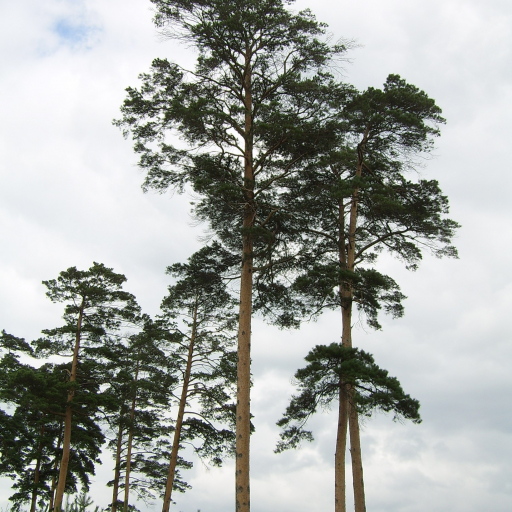
The Japanese Red Pine, or Akamatsu, is the poetic soul of East Asian landscapes. Renowned for its gracefully irregular silhouette and vibrant, peeling bark, it has been a staple of Japanese woodblock prints and imperial gardens for centuries. In its native habitat, it is often seen clinging to rocky slopes, symbolizing endurance, longevity, and a quiet, rugged beauty.
🔍 How to Identify
- 🦊 The Bark: Its most striking feature is the thin, papery bark that peels away to reveal bright shades of orange, reddish-brown, and terracotta.
- 🌲 The Needles: Look for soft, slender needles that grow in bundles of two. They are a vivid grass-green and tend to cluster at the ends of the branches like delicate pom-poms.
- 🎨 The Form: Unlike the perfect "Christmas tree" triangle of many pines, the Japanese Red Pine often grows with a lean or an umbrella-like crown, giving it a natural, "windswept" appearance even in calm gardens.
🏡 In Your Garden
- 🌊 Drainage is Key: This pine is highly susceptible to root rot if left in standing water. It prefers gritty, well-drained soil and is much happier on a slight slope or in a raised bed than in a low, soggy spot.
- 📍 Pick a "Forever Home": Like many pines, Pinus densiflora develops a deep taproot early in life. It hates having its roots disturbed, so choose its location carefully—transplanting a mature specimen is notoriously difficult.
- ✂️ A Pruning Masterpiece: Because it grows relatively slowly and responds beautifully to "candling" (pinching back new growth), it is one of the most popular species for large-scale Niwaki (cloud pruning) and Bonsai art.
⚠️ Safety & Toxicity
- ✅ Status: Generally non-toxic and safe for homes and public spaces.
- 💧 Sticky Sap: The tree produces a thick, aromatic resin. While not poisonous, it is incredibly sticky and can cause mild skin irritation or "contact dermatitis" in sensitive individuals.
- 🐕 Pet Safety: The needles are sharp and indigestible; while not chemically toxic to dogs or cats, they can cause mechanical irritation to the mouth or digestive tract if chewed.
✨ Fun Fact
In traditional Japanese gardening, the Red Pine (Akamatsu) is considered the "female" pine because of its soft needles and elegant form, while the Japanese Black Pine (Kuromatsu) is considered the "male" pine due to its rugged bark and stiff, sharp needles. They are often planted together to represent a harmonious couple.

Detailed Care Instructions
To grow a Pinus Densiflora plant, also known as Japanese red pine, you can follow these steps:
- Climate and Soil: Japanese red pines thrive in full sun and cool climates. They prefer well-draining soil with a slightly acidic pH between 5.5 and 6.5.
- Seeds or Seedlings: You can grow Pinus Densiflora from seeds or purchase seedlings from a nursery. If using seeds, stratify them by placing them in a moist medium in a refrigerator for 30-60 days before sowing.
- Planting: Prepare a planting hole that is deep and wide enough to accommodate the roots of the seedling or seeds. Ensure good drainage by adding some sand or gravel to the bottom of the hole.
- Watering: Water the plant deeply after planting and then ensure it receives about an inch of water each week during the growing season. Monitor soil moisture levels and adjust watering as necessary to keep the soil moist, but not waterlogged.
- Fertilization: Japanese red pines generally do not require much fertilization. You can apply a slow-release balanced fertilizer once a year in early spring or mid-fall for better growth. Follow the instructions on the fertilizer packaging for application rates.
- Pruning: Minimal pruning is usually required, but you can shape the tree by lightly trimming new growth in early spring. Remove any dead or damaged branches promptly.
- Mulching: Apply a layer of organic mulch around the base of the tree to help retain soil moisture, suppress weed growth, and provide insulation during cold weather.
- Protection: Protect young seedlings from extreme temperatures, excessive wind, and heavy snowloads by providing temporary shelter or wrapping them in burlap.
- Pest and Disease Control: Japanese red pines are generally resistant to pests and diseases. However, you should regularly monitor for common issues like pine needle scale, aphids, or fungal diseases. If any problems arise, treat them accordingly using appropriate pest or disease control methods.
- Patience and Care: Japanese red pine is a slow-growing tree, so be patient as it takes time to establish and grow. Regularly monitor its growth, health, and environmental conditions, providing adequate care and attention as needed.
It's worth noting that growing Pinus Densiflora from seed may require specialized knowledge and skills. You may consider consulting with a local horticultural expert for more detailed guidance on growing this specific species.

Place in a bright room that is sun drenched almost all day. Or directly in a south-facing window.

Pinus Densiflora is a type of coniferous plant that requires a specific watering routine to maintain its health and vitality. To properly water this plant, you should take these steps:
1. Understand the moisture requirements of the plant - Before watering your Pinus Densiflora plant, it is vital to understand its moisture requirements. As a general rule, this plant prefers soil that is moist but not waterlogged.
2. Check the soil - Check the soil around the plant by inserting your finger into the soil up to the first knuckle. If the soil feels dry, it is time to water the plant.
3. Water the plant - When watering the plant, it is essential to avoid getting water on the needles or foliage, as this can lead to fungal disease. Instead, water the base of the plant, around the soil, until the soil is visibly moist.
4. Monitor the moisture - After watering, monitor the soil around the plant to ensure it is not staying too wet or too dry. Avoid flooding the plant with too much water, as this can lead to root rot.
5. Adjust your watering routine - Depending on the climate and season, you may need to adjust your watering routine. For example, during the cooler months, Pinus Densiflora requires less water than in the summer months.
By following these steps, you can ensure that your Pinus Densiflora plant receives the proper amount of water, promoting healthy growth and development.
For best results, fertilize this plant during its growing season in late spring or early summer. Use a balanced fertilizer with equal amounts of nitrogen, phosphorus, and potassium. Apply the fertilizer directly to the soil around the plant, making sure not to get any on the needles or foliage. Water the plant thoroughly after fertilizing. Avoid fertilizing in the fall or winter as it may cause new growth that is susceptible to frost damage.
The recommended soil for Pinus Densiflora plant is a well-draining soil mixed with organic matter. The soil should be slightly acidic with a pH level between 5.5 to 6.5. Use a soil mixture of 50% coarse sand, 30% peat moss, and 20% perlite to ensure proper drainage. The soil should be loose, light, and well-aerated to promote healthy root growth. It is important to avoid soil that is heavy, compact, or lacks proper drainage, as it may lead to root rot and plant decline. Additionally, ensure that the soil is not too rich in nutrients as it can promote excessive foliage growth at the expense of the plant's overall health.
Pinus Densiflora can be propagated by collecting seeds from mature female cones. The cones should be harvested in late summer to early autumn when they have turned a light brown color. Carefully remove the seeds from the cones and store them in a cool, dry place until the following spring.
In the spring, sow the seeds in a prepared bed or container filled with well-draining soil. Cover the seeds with a thin layer of soil and keep the soil moist. The seeds will typically germinate within two to three weeks.
Once the seedlings have emerged, they should be kept in a protected location with filtered sunlight and consistent moisture. Over time, the seedlings can be gradually exposed to more sun and less water.
Another method for propagating Pinus Densiflora is through hardwood cuttings taken from mature trees. The best time to take cuttings is in late autumn or early winter when the tree is in dormancy. Collect several cuttings, each about six inches long, and remove the lower leaves. Dip the cuttings in rooting hormone and plant them in a well-draining soil mixture. Keep the soil moist and the cuttings in a protected location with filtered sunlight. After several months, the cuttings should have rooted and can be transplanted to a larger container or out into the garden.
It is worth noting that Pinus Densiflora is a slow-growing tree, and it may take several years for the seedlings or cuttings to reach maturity. However, with proper care and patience, these plants can be propagated successfully and will add beauty and value to any garden or landscape.
Common pests of the japanese pine include Scale insect, spider mites, aphids. Make a habit of checking your japanese pine frequently for pests so that any infestations can be caught and managed early.








