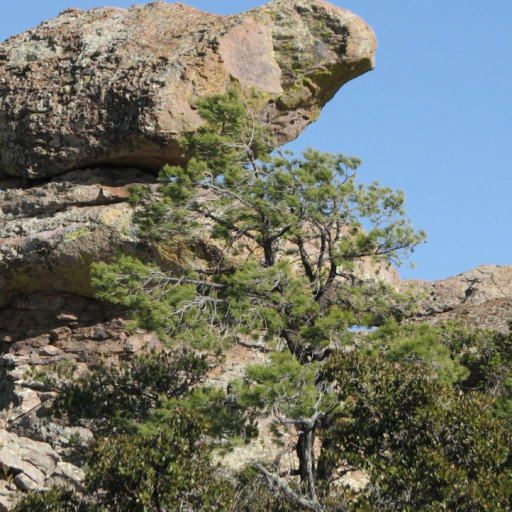
Plant Overview
Often called the Chihuahua Pine, this resilient evergreen is a tough survivor of the high-elevation forests of Mexico and the Southwestern United States. While most pines are permanently scarred or killed by intense wildfires, this species has earned a reputation as a "Phoenix" among trees. It is one of the very few pine species in the world capable of resprouting from its stump or trunk after being burned, a secret weapon that helps it dominate fire-prone landscapes.
🔍 How to Identify
- 🌲 The Needles: Look for slender, bluish-green needles that usually grow in bundles of three. They have a slightly weeping, graceful appearance compared to the stiff needles of other mountain pines.
- 🌑 The Bark: Mature trees feature exceptionally dark, almost black bark that is deeply furrowed into thick, rectangular plates, providing a dramatic aesthetic in a landscape.
- 🍍 The Cones: The cones are small, egg-shaped, and remarkably persistent. They often stay attached to the branches for several years, even after they have opened and released their seeds.
🏡 In Your Garden
- 🌱 The "Fire Sprout" Phenom: If you notice green tufts growing directly out of the main trunk (epicormic branching), don't panic! This is a unique trait of the Chihuahua Pine. It’s not a sign of stress, but rather its natural way of maximizing its foliage.
- ☀️ Sun & Soil: This tree is a sun-worshiper. It requires full exposure and thrives in well-draining, rocky, or sandy soils. Because it has a deep taproot, it is highly drought-tolerant once established but hates being moved, so choose its "forever home" carefully.
⚠️ Safety & Toxicity
- 🟢 Safe Status: Pinus leiophylla is generally considered non-toxic to humans and most garden visitors.
- 🧤 Sap & Spikes: The primary "danger" is the sticky resin (pitch) which can cause mild skin irritation for some people and is notoriously difficult to remove from clothing. Always wear gloves when pruning. While the needles are not poisonous to dogs or cats, they are sharp and should not be ingested as they can cause physical irritation to the digestive tract.
✨ Fun Fact
While most pine trees follow a strict two-year schedule to mature their cones, the Chihuahua Pine is a "slow-cooker"—it takes a full three years for its seeds to ripen and fall, making it a biological outlier in the pine family!

Detailed Care Instructions

Place in a bright room that is sun drenched almost all day. Or directly in a south-facing window.

Some plants require more regular watering than others, which should be done every few days. It's critical to maintain the soil moist all of the time. The water requirements of the same plant placed in pots with varying sizes will differ. Because the water in the smaller pot evaporates faster than the water in the larger pot, it will require more watering. Regardless of pot size, the surface should constantly be maintained moist.








