Plant Overview
Piper betle, often called "The Golden Heart," is more than just a lush green vine; it is a cultural icon across Southeast Asia and India. Known famously as the "Paan" leaf, it has been offered to guests, kings, and deities alike for thousands of years as a symbol of hospitality and auspiciousness. This glossy, emerald climber belongs to the pepper family and is cherished equally for its spicy, clove-like aroma and its deep medicinal heritage.
🔍 How to Identify
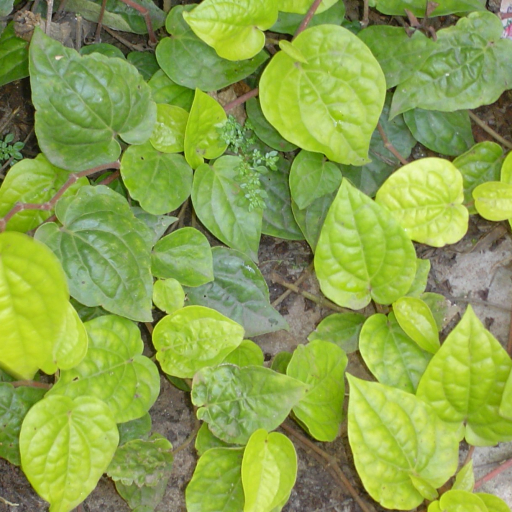
- 🍃 Heart-Shaped Foliage: The leaves are perfectly cordate (heart-shaped) with a waxy, polished texture that catches the light, making the plant look perpetually "wet."
- 🌿 Venation Pattern: If you look closely, five to seven prominent veins radiate from the base of the leaf, giving the surface a beautifully structured, slightly quilted appearance.
- 🪵 Climbing Habit: As a woody perennial climber, it produces small "adventitious" roots along its stem, which it uses to glue itself to tree trunks or garden trellises.
🏡 In Your Garden
- 💧 The Humidity Factor: Being a true child of the tropics, this plant breathes through its leaves as much as its roots. It thrives in high humidity and "dappled" sunlight—think of the light filtering through a jungle canopy rather than harsh, direct noon sun.
- 🧱 Support Systems: While it can grow as a trailer, it truly flourishes when given a moss pole or a wooden stake. The physical contact with a vertical surface stimulates the plant to produce larger, healthier leaves as it mimics its natural climbing behavior.
⚠️ Safety & Toxicity
- ✅ Human Use: The leaves are widely used in cooking and traditional medicine. However, the traditional practice of chewing it as "Paan" (with tobacco or areca nut) is linked to health risks; the leaf itself, however, is generally considered safe.
- 🐾 Pet Safety: Like many members of the Piper (pepper) family, it contains essential oils that can cause mild stomach upset or drooling in curious cats and dogs if chewed in significant amounts.
✨ Fun Fact
📜 An Ancient Social Grace: In ancient South Asian royal courts, the preparation of betel leaves was considered a fine art. It was the ultimate "breath freshener" of the 14th century, used by royals to sweeten the breath and aid digestion after elaborate feasts.

Detailed Care Instructions
| Lighting | Part Sun |
| Hardiness Zones | Min 11 |
To successfully grow a Piper Betle plant, also known as Betel Leaf plant, here are some steps you can follow:
- Obtaining the plant: You can buy Betel Leaf plant seeds online or from a local nursery. Alternatively, you can also propagate the plant from a healthy stem cutting.
- Soil and container: Plant the Piper Betle in well-draining soil that is fertile and slightly acidic. Use a container or pot that is at least 12 inches deep with good drainage holes.
- Sunlight: Place the plant in a location with partial shade or filtered sunlight. It prefers bright but indirect light.
- Watering: Keep the soil moist but avoid overwatering to prevent root rot. Water the plant regularly, especially during the growing season. However, make sure the soil is not waterlogged.
- Temperature and humidity: Betel Leaf plants thrive in warm and humid conditions. Maintain a temperature between 75-90°F (24-32°C) and provide humidity by misting the leaves regularly or placing a tray filled with water near the plant.
- Fertilizer: Use a balanced, slow-release fertilizer or organic compost during the growing season to provide additional nutrients. Follow the package instructions for proper dosage.
- Pruning: Regularly prune the plant to maintain its shape and encourage new growth. Pinch back the tips to promote bushiness.
- Trellising: Piper Betle is a climbing plant, so it requires some support. Provide a trellis or stake for the plant to grow and climb on. Regularly tie the stems to the support structure as it grows.
- Pests and diseases: Keep an eye out for pests like aphids, mites, and scale insects. Treat any infestations with organic insecticides or soapy water. Ensure good airflow and avoid waterlogged conditions to prevent diseases like fungal infections.
- Harvesting: Once the plant reaches maturity, typically after 3-6 months, you can start harvesting the leaves. Choose the younger, tender leaves for their best flavor. Harvest by plucking individual leaves or cutting the stems.
Remember, the Piper Betle plant prefers a tropical or subtropical climate. If you're living in a colder region, you might need to grow it in a greenhouse or as a potted plant indoors.

Place in a window with dappled sun or a spot in the middle of a room. Or directly in a window facing west or east.

To water a plant with scientific name Piper Betle, you should ensure that the soil remains moist but not overly wet. It is best to water the plant once or twice a week, depending on the weather conditions and the moisture levels of the soil. You should avoid overwatering the plant as it can lead to root rot and other diseases. To check if the plant needs water, you should insert your finger into the soil about an inch deep. If the soil feels dry, it is time to water the plant. It is recommended to water the plant early in the morning or late in the evening to avoid evaporation and to allow the water to penetrate the soil. Additionally, it is best to use filtered or rainwater to water the plant as it is sensitive to fluoride and chlorine found in tap water.
To fertilize this plant, use a balanced fertilizer with equal parts nitrogen, phosphorus, and potassium. Apply the fertilizer every two weeks during the growing season, which is typically from spring to fall. Always water the plant well before applying fertilizer to avoid burning the roots. Dilute the fertilizer as per instructions on the package and apply it around the base of the plant, taking care not to let it touch the leaves or stem. Avoid fertilizing in winter when the plant is dormant.
The ideal soil for Piper Betle should be well-draining and rich in organic matter. It should have a slightly acidic to neutral pH level between 5.5 and 7.0. The soil should also be able to retain moisture without becoming waterlogged. A combination of peat moss, coco coir, perlite, and sand can be used to create the perfect soil mix for this plant. The soil should also be fertilized regularly with a balanced fertilizer to ensure the plant receives all the necessary nutrients. It is important to avoid using heavy soils and soils that have a high clay content as they can cause waterlogging and root rot.
To propagate this plant you will need to take a cutting from the stem of the parent plant. Select a stem that is healthy and has a few leaves attached to it. Cut the stem about 5 inches long and remove the leaves from the bottom 2 inches of the stem. Dip the cut end of the stem in a rooting hormone solution. Plant the stem in a pot filled with soil mix that is well-draining. Water the soil well and cover the pot with a plastic bag to create a greenhouse effect. Place the pot in a location that receives indirect light. Check the soil every few days to make sure it stays moist but not too wet. After a few weeks, roots should start to form. You can tell by gently tugging on the stem to feel resistance. Once roots have formed, remove the plastic cover and move the plant to a sunny location. Care for the new plant as you would its parent plant.
Common pests of the betel include Mealybugs, spider mites, thrips. Make a habit of checking your betel frequently for pests so that any infestations can be caught and managed early.








