Plant Overview
Known as "Pipli" in India, the Piper longum is a forgotten superstar of the spice world. Long before black peppercorns became the kitchen standard, this slender vine’s fruit provided the signature "bite" in ancient Roman and Greek feasts. It is a lush, tropical climber that brings both a culinary kick and a deep medicinal history to your indoor or outdoor garden.
🔍 How to Identify
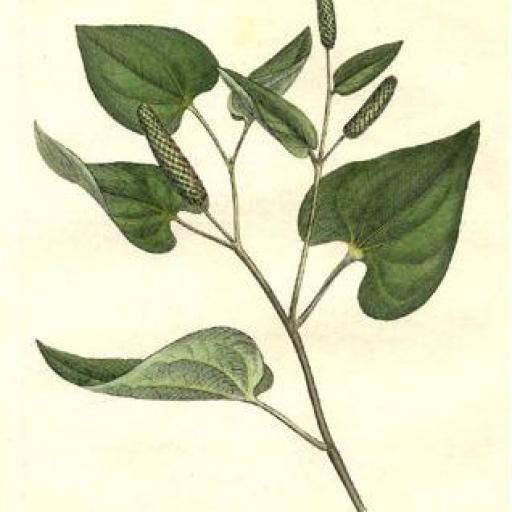
- 🍃 Lush Foliage: The plant features deep green, heart-shaped (cordate) leaves with prominent veining that look ornamental even when the plant isn't fruiting.
- 🌶️ Cylindrical Fruit: Unlike round peppercorns, the fruits are tiny, dense spikes that look like miniature, 1-inch long pinecones or catkins.
- 🧗 Vining Habit: It grows as a trailing or climbing perennial vine, using its nodes to anchor itself to supports or crawl across the humid forest floor.
🏡 In Your Garden
- 🌡️ Tropical Roots: This plant craves warmth and high humidity. If you are growing it indoors, a pebble tray or a humidifier will prevent the leaf edges from crisping during the winter months.
- 🪵 Drainage is Key: While it loves consistent moisture, its roots are sensitive to "wet feet." Use a rich, loamy soil with plenty of perlite or bark to mimic the well-draining forest floors of South Asia.
- 🌤️ Dappled Light: In the wild, it grows under the canopy of larger trees. It prefers bright, indirect light rather than harsh, direct afternoon sun, which can bleach the glossy leaves.
⚠️ Safety & Toxicity
- ✅ Safe for Humans: The dried fruit is a common culinary spice and a staple in Ayurvedic medicine. It is known for its "sweet heat."
- 🐕 Pet Caution: While not considered deadly, the plant contains piperine. If cats or dogs chew on the leaves or fruit, it can cause mouth irritation, drooling, or mild stomach upset.
- 🧤 Skin Sensitivity: Some gardeners with sensitive skin may experience mild irritation when pruning the vines; it's always best to wash your hands after handling.
✨ Fun Fact
📜 The Roman Luxury: In the time of the Roman Empire, Long Pepper was priced nearly three times higher than standard black pepper. It was considered a status symbol, prized for a complex flavor profile that balances pungent heat with notes of nutmeg, cinnamon, and tobacco.

Detailed Care Instructions
Growing Piper longum, commonly known as long pepper, involves several steps to ensure the plant thrives. Here are the steps you can follow to cultivate this plant effectively:
1. Climate and Location
- Climate: Piper longum is a tropical plant and thrives in warm, humid conditions. It prefers temperatures between 15°C to 30°C (59°F to 86°F).
- Sunlight: It grows best in partial to full shade. Direct, intense sunlight can damage the leaves.
2. Soil Requirements
- Soil Type: Well-drained, fertile loamy soil with a high organic content is ideal.
- pH Level: A slightly acidic to neutral pH (around 6.0 to 7.0) is preferred.
3. Propagation
- Seeds: Soak seeds in water for about 24 hours before planting. This can enhance germination.
- Cuttings: You can also propagate Piper longum through stem cuttings. Select healthy cuttings of about 15-20 cm (6-8 inches) in length with at least a few nodes. Plant the cuttings in a nursery bed or pot until they establish roots.
4. Planting
- Spacing: Space plants about 1.5 to 2 meters (5 to 6.5 feet) apart to allow for adequate growth.
- Planting Depth: When planting seeds or cuttings, ensure they are buried about 2-3 cm (1 inch) deep in the soil.
- Support: Long pepper vines need support to climb. You can use trellises, stakes, or nearby trees.
5. Watering
- Frequency: Water regularly to keep the soil moist but not waterlogged. Overwatering can lead to root rot.
- Method: Drip irrigation or a gentle watering can help to avoid washing away soil around young plants.
6. Fertilization
- Organic Matter: Enrich the soil with organic compost or well-rotted manure.
- Balanced Fertilizer: You can also use a balanced NPK (nitrogen, phosphorus, potassium) fertilizer every few months to encourage healthy growth.
7. Pruning and Training
- Pruning: Regularly prune the plant to remove dead or diseased parts and to encourage bushier growth.
- Training: Gently guide the vines to climb on the support you've provided.
8. Pest and Disease Control
- Pests: Watch for common pests like aphids, mites, and whiteflies. Use organic insecticides or neem oil as needed.
- Diseases: Fungal infections can be a problem in humid environments. Ensure good air circulation and avoid overhead watering to prevent these issues.
9. Harvesting
- Timing: Long pepper fruits can be harvested when they turn from green to blackish-gray, usually about 6-8 months after planting.
- Method: Use a sharp knife or scissors to cut the fruit clusters from the vines.
10. Post-Harvest Handling
- Drying: Dry the harvested pepper fruits in the shade until they are completely dry to the touch. Proper drying enhances flavor and shelf life.
- Storage: Store dried peppers in an airtight container in a cool, dark place.
By following these steps and paying attention to the specific needs of Piper longum, you can successfully grow this plant and enjoy its unique spice in your kitchen.

Place in a bright room that is sun drenched almost all day. Or directly in a south-facing window.

Piper Longum is a climbing plant that requires regular watering to thrive. To water this plant without using its common name, the following steps can be followed:
1. Observe the soil: Check the soil around the plant by digging a little with your fingers. If the soil feels dry to the touch, it's time to water.
2. Use a watering can or hose: Fill a watering can with water or use a hose and gently water the soil around the base of the plant. Care should be taken to avoid watering the leaves and stem directly.
3. Ensure adequate moisture: Water until the soil feels moist but not waterlogged. Drain off any excess water and avoid leaving water in saucers or trays.
4. Monitor moisture levels: Check the soil moisture levels regularly and adjust watering frequency accordingly. During hot, dry weather, the plant may require more frequent watering.
5. Use a well-draining soil: Piper Longum prefers well-draining soil to prevent waterlogging. It's important to choose the right soil mix or improve the drainage of the existing soil.
Overall, watering Piper Longum requires regular attention to ensure the plant receives adequate moisture without becoming overwatered.
To fertilize your Piper longum plant effectively, follow these instructions:
- Soil and pH: Ensure that your plant is growing in well-draining, fertile soil with a slightly acidic to neutral pH range (around 6.0 to 7.0).
- Type of Fertilizer: Use a balanced liquid fertilizer or a slow-release granular fertilizer with an N-P-K ratio around 10-10-10 or 14-14-14. Organic fertilizers, such as compost or well-rotted manure, work equally well.
- Frequency:
- Liquid Fertilizer: Apply every 4 to 6 weeks during the active growing season (spring and summer). Dilute the fertilizer to half the recommended strength to prevent over-fertilizing.
- Slow-Release Fertilizer: Apply as per the manufacturer’s instructions, usually every 3 to 4 months.
- Liquid Fertilizer: Apply every 4 to 6 weeks during the active growing season (spring and summer). Dilute the fertilizer to half the recommended strength to prevent over-fertilizing.
- Application:
- For liquid fertilizers, water the plant first to ensure the soil is moist. Then, apply the diluted fertilizer solution directly to the soil around the base of the plant.
- For granular fertilizers, sprinkle the granules evenly around the base of the plant and gently mix them into the top layer of soil, taking care not to disturb the roots.
- For liquid fertilizers, water the plant first to ensure the soil is moist. Then, apply the diluted fertilizer solution directly to the soil around the base of the plant.
- Watering: After applying the fertilizer, water the plant thoroughly to help distribute the nutrients through the soil.
- Observation: Monitor your plant for signs of over-fertilization, such as yellowing leaves or burnt tips. If you notice any adverse effects, reduce the frequency or strength of your fertilizer applications.
By following these guidelines, you can ensure that your Piper longum plant receives the necessary nutrients for healthy growth.
The soil used for Piper Longum plant should be well-draining and rich in organic matter. It should have a pH level between 6.0 to 7.5. The plant prefers a slightly acidic to neutral soil. The soil should also have good water holding capacity which is essential for the plant's growth. It is recommended to use a mix of garden soil, compost and sand to ensure the plant receives all the required nutrients and minerals for healthy growth.
Piper longum can be propagated through both seeds and vegetative means. Here’s a detailed guide on how to propagate this plant:
Propagation by Seeds
- Seed Collection:
- Collect ripe fruits from a mature plant. The seeds within should be fully developed and mature.
- Collect ripe fruits from a mature plant. The seeds within should be fully developed and mature.
- Seed Cleaning:
- Remove the seeds from the fruit and wash them thoroughly under running water to remove any pulp or residue.
- Remove the seeds from the fruit and wash them thoroughly under running water to remove any pulp or residue.
- Soaking Seeds:
- Soak seeds in water for about 24 hours to help soften the seed coat and enhance germination.
- Soak seeds in water for about 24 hours to help soften the seed coat and enhance germination.
- Seedbed Preparation:
- Prepare a well-drained seedbed or seed trays filled with a mixture of sand, soil, and organic compost. The bed should be located in a partially shaded area to protect young seedlings from direct sunlight.
- Prepare a well-drained seedbed or seed trays filled with a mixture of sand, soil, and organic compost. The bed should be located in a partially shaded area to protect young seedlings from direct sunlight.
- Sowing Seeds:
- Sow the seeds about 1-2 cm deep into the prepared seedbed. Water lightly to keep the soil moist but not waterlogged.
- Sow the seeds about 1-2 cm deep into the prepared seedbed. Water lightly to keep the soil moist but not waterlogged.
- Germination:
- Seeds typically take a few weeks to germinate. Maintain consistent moisture levels and partial shade during this period.
- Seeds typically take a few weeks to germinate. Maintain consistent moisture levels and partial shade during this period.
- Transplanting:
- Once seedlings have developed a few true leaves and are robust enough, they can be transplanted to individual pots or directly into the field. Ensure they are planted in soil rich in organic matter and provide partial shade.
Propagation by Vegetative Cuttings
- Once seedlings have developed a few true leaves and are robust enough, they can be transplanted to individual pots or directly into the field. Ensure they are planted in soil rich in organic matter and provide partial shade.
- Selection of Cuttings:
- Choose healthy, mature stems from a productive plant. The stem should be about 1 cm in diameter and 20-30 cm long, with at least 2-3 nodes.
- Choose healthy, mature stems from a productive plant. The stem should be about 1 cm in diameter and 20-30 cm long, with at least 2-3 nodes.
- Preparation of Cuttings:
- Remove any leaves from the lower part of the cutting and make a clean cut just below a node.
- Remove any leaves from the lower part of the cutting and make a clean cut just below a node.
- Rooting Hormone (Optional):
- Dip the cut end of the stem in a rooting hormone to promote quicker root development.
- Dip the cut end of the stem in a rooting hormone to promote quicker root development.
- Planting Cuttings:
- Plant the cuttings in a well-prepared rooting medium comprising sand and compost. The cutting should be inserted into the soil until at least one node is covered.
- Plant the cuttings in a well-prepared rooting medium comprising sand and compost. The cutting should be inserted into the soil until at least one node is covered.
- Moisture and Shade:
- Place the cuttings in a humid environment and provide partial shade to protect from direct sunlight. You can use a plastic cover to maintain moisture around the cuttings.
- Place the cuttings in a humid environment and provide partial shade to protect from direct sunlight. You can use a plastic cover to maintain moisture around the cuttings.
- Root Development:
- Roots will generally develop in a few weeks. Ensure the soil remains consistently moist during this period.
- Roots will generally develop in a few weeks. Ensure the soil remains consistently moist during this period.
- Transplanting:
- Once a strong root system has formed, the new plants can be transplanted to individual pots or directly into the field with rich, well-drained soil and partial shade.
General Care Tips
- Once a strong root system has formed, the new plants can be transplanted to individual pots or directly into the field with rich, well-drained soil and partial shade.
- Soil: Prefers fertile, loamy soil rich in organic matter. Ensure good drainage.
- Light: Thrives in partial to full shade. Direct sun can harm young plants.
- Watering: Requires consistent moisture. Water regularly but avoid waterlogging.
- Fertilization: Benefit from periodic fertilization with organic compost or balanced fertilizers.
- Pest and Disease Control: Regularly inspect for pests or diseases. Use appropriate organic or chemical treatments as necessary.
By following these detailed steps, you should be able to successfully propagate Piper longum and enjoy a healthy plant growth cycle.








