Plant Overview
Known widely as Kava or Kava Kava, this tropical shrub is the cultural heart of the Pacific Islands. Often called the "Intoxicating Pepper," it is legendary for its role in traditional ceremonies and social gatherings, where its roots are prepared into a drink known for promoting relaxation and a sense of community.
🔍 How to Identify
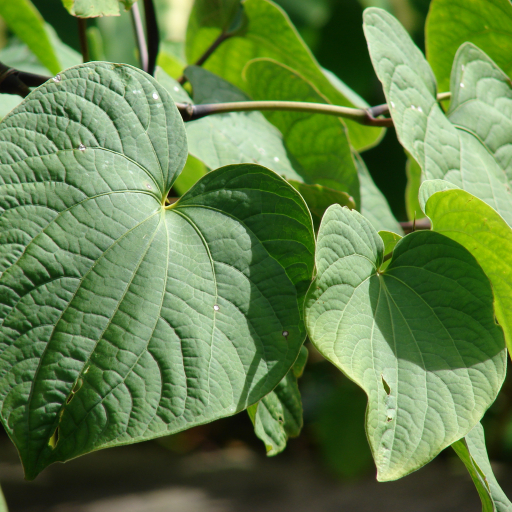
- 🍃 Large Heart-Shaped Leaves: The foliage is striking and lush, featuring broad, cordate (heart-shaped) leaves that can grow quite large, with prominent veins radiating from the base.
- 🦴 Knobby, Jointed Stems: The stems are thick and succulent, characterized by distinct "knuckles" or swollen nodes that give the plant a bamboo-like appearance.
- 🕯️ Spike-Like Flowers: Kava rarely produces seeds; instead, it grows small, inconspicuous, creamy-green flower spikes that look like stiff, upright pipe cleaners.
🏡 In Your Garden
- ☁️ Humidity is Essential: As a native of the South Pacific, Kava thrives in the dappled light of a rainforest canopy. It craves high humidity and will struggle in dry indoor air or arid climates.
- ☀️ Filtered Light Only: Direct, midday sun is the enemy of the Kava plant. It prefers "filtered" or "shady" light, mimicking the environment beneath taller tropical trees where it naturally grows.
- 🪴 Sensitive Roots: Because the plant is traditionally harvested for its rhizomes, it is very sensitive to root rot. It requires extremely well-draining, airy soil to prevent the precious roots from suffocation.
⚠️ Safety & Toxicity
- 🐾 Toxic to Pets: Kava is considered toxic to dogs and cats. If ingested, it can cause significant lethargy, digestive upset, or coordination issues.
- ⚠️ Human Caution: While the roots are used medicinally, the leaves and stems should never be consumed as they contain much higher concentrations of potentially harmful alkaloids. Long-term use of kava supplements has been linked to liver health concerns in some individuals.
✨ Fun Fact
The botanical name Piper methysticum literally translates from Greek to "Intoxicating Pepper." In traditional Pacific culture, the drink made from the roots is famous for causing a unique "tingling" or numbing sensation on the lips and tongue!

Detailed Care Instructions
To grow Piper Methysticum, commonly known as Kava, follow these steps:
- Purchase quality kava plant or seeds: Look for reputable nurseries or online sellers that offer healthy kava plants or seeds. It is recommended to buy a plant from a nursery rather than growing it from seeds, as it can be a more reliable and quicker method.
- Prepare the planting area: Choose a suitable location with well-draining soil, partial shade, and protection from strong winds. Kava prefers tropical or subtropical climates with temperatures ranging from 70°F to 90°F (21°C to 32°C). Prepare the soil by loosening it and removing any weeds or debris.
- Planting a kava plant: Dig a hole large enough to accommodate the kava plant's root ball. Place the plant in the hole, making sure it is planted at the same depth as it was in the nursery pot. Fill the hole with soil, gently firming it around the plant. Water the plant thoroughly after planting.
- Watering and fertilizing: Kava plants require regular watering to keep the soil moist but not waterlogged. Allow the top inch of soil to dry out between waterings. Avoid overwatering, as it can cause root rot. Fertilize the plant every two to three months using a balanced organic fertilizer, following the instructions on the label.
- Provide proper sunlight and temperature: Place the kava plant in an area that receives partial shade, especially during hot afternoons. Ensure it gets around six to eight hours of indirect sunlight daily. Protect the plant from extreme temperatures, such as frost or excessive heat.
- Pruning: Regularly check for any dead or damaged leaves and prune them off. Pruning will help the plant maintain good health and appearance.
- Harvesting kava: Kava plants typically take around four to five years to mature before they're ready for harvest. The roots contain the desired compounds, so carefully dig them up using a garden fork or similar tool. After harvesting, wash the roots, peel off the outer layer, and dry them in a well-ventilated area. Crush the dried roots to make kava powder for consumption.
- Patience and care: Growing kava requires patience, as it takes time to reach maturity. Be consistent with watering, fertilizing, and providing proper care. Monitor the plant for any signs of pests or diseases and take appropriate measures.
Remember to research and follow any local regulations regarding the cultivation, harvesting, and consumption of kava, as it is subject to legal restrictions in some jurisdictions.
The plant requires moist soil, but not overly watered. Watering should occur once the top layer of the soil feels dry to the touch. The frequency of watering will depend on the environmental conditions, such as temperature and humidity. It is important to avoid waterlogging the soil as this can lead to root rot. The plant should be watered gently from the top rather than poured heavily onto the soil. Additionally, it is important to ensure proper drainage to prevent water buildup in the pot.
- Use a balanced N-P-K fertilizer with a ratio of 10-10-10 or 20-20-20.
- Apply the fertilizer once a month during the growing season, which is typically from spring to fall.
- Dilute the fertilizer according to the instructions on the label to avoid burning the plant's roots.
- Water the plant thoroughly before and after fertilizing to ensure the nutrients reach the roots.
- Monitor the plant for signs of over-fertilization, such as yellowing leaves or stunted growth, and reduce the frequency or amount of fertilizer as needed.
The ideal soil for the Piper Methysticum plant is a loose, well-draining sandy loam that is rich in organic matter. It should have a pH of 6.0 to 6.5, which is slightly acidic. Avoid using heavy clay soils or soils that are too compacted, as this can prevent the roots from developing properly. The soil should be well-aerated, as the plant needs oxygen to grow well. You can improve the quality of the soil by adding compost or other organic matter before planting. Overall, the soil should be loose, rich in nutrients, and well-draining to support the growth of the Piper Methysticum plant.
To propagate this plant, you can take stem cuttings or root division. For stem cuttings, select a healthy stem from the parent plant and cut it at about 6 inches in length. Remove the lower leaves and place the cutting in a pot with moist soil. Keep the soil damp and place the pot in a warm, bright location. In a few weeks, roots and new growth should appear.
To division the plant, carefully remove the parent plant from its pot and gently separate the roots. Cut the plant into smaller sections, each with roots and some shoots. Plant these sections in new pots with fresh soil and water well. Place the pots in a warm, bright location and keep the soil damp. In a few weeks, new growth should appear.








