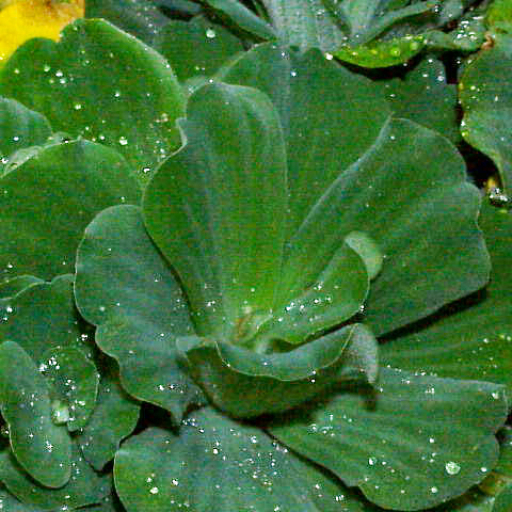
Plant Overview
Floating like a miniature green rose on the water's surface, Pistia stratiotes is most famously known as Water Lettuce or Shellflower. This ancient aquatic wanderer has traveled the globe, becoming a staple in tropical ponds and home aquariums. It acts as a natural water purifier, using its feathery roots to soak up excess nutrients while providing a secret playground for small fish.
🔍 How to Identify
- 🥬 The Rosette: It features soft, light-green leaves arranged in a tight, cabbage-like spiral. The leaves lack a stem and radiate directly from the center.
- 🧶 Velvety Texture: The leaf surface is covered in tiny, dense white hairs. These hairs trap a layer of air, making the plant incredibly buoyant and water-repellent—water beads right off it!
- 🕸️ Feathery Roots: Beneath the surface, it grows a dense "beard" of hanging, feathery roots that can reach over a foot long, providing a complex habitat for aquatic life.
🏡 In Your Garden
- 🌊 Still Waters: This plant is a "still water" specialist. It dislikes heavy currents or splashing water; if the center of the rosette stays wet due to a waterfall or filter spray, the plant will quickly rot and sink.
- 🌤️ Light & Humidity: It thrives in bright, indirect light. In very dry climates, the leaf tips may turn brown. It is a heavy feeder, meaning it is excellent for clearing up "green water" (algae blooms) by out-competing the algae for nutrients.
- ✂️ Population Control: Because it reproduces by sending out "runners" (stolons) to create baby clones, it can cover a pond surface in weeks. It is considered invasive in some wild ecosystems, so never release "extra" plants into local lakes or rivers.
⚠️ Safety & Toxicity
- 🚫 Status: Toxic to ingest.
- 🐾 Details: Like its cousin the Peace Lily, Water Lettuce contains calcium oxalate crystals. If chewed by pets or children, it can cause intense burning of the mouth, tongue swelling, and difficulty swallowing. Always wash your hands after thinning out your pond to avoid skin irritation.
✨ Fun Fact
- 🦖 A Prehistoric Survivor: Fossil records indicate that Pistia stratiotes has been floating on Earth’s waters for nearly 70 million years—meaning it likely shared pond space with dinosaurs during the Late Cretaceous period!

Detailed Care Instructions
| Color | Green, White |
| Soil Ph | Not Applicable |
| Humidity | High |
| Invasive | Weed |
| Lighting | Part Sun |
| Soil Type | Not Applicable |
| Bloom Time | Summer, Fall |
| Difficulty | Medium |
| Plant Type | Perennial |
| Hibernation | Cold Period |
| Mature Size | 6 In. Tall, 10 In. Wide |
| Native Area | Africa |
| Temperature | 15°C - 27°C |
| Sun Exposure | Full, Partial Sun |
| Hardiness Zones | 8-10 |
To grow Pistia Stratiotes, also known as water lettuce, follow these steps:
- Obtaining the plant: Purchase Pistia Stratiotes from a reputable nursery, garden center, or online vendor. Alternatively, if you have access to a nearby freshwater source, you can collect a specimen from there.
- Choosing a container: Select a container of appropriate size, such as a pond, fish tank, or large bowl. Ensure it has no drainage holes and can hold enough water to immerse the plant.
- Adding water: Fill the container with clean, non-chlorinated water. Avoid using tap water unless you let it sit out for 24-48 hours to allow chlorine to dissipate.
- Placing the plant: Gently immerse the Pistia Stratiotes plant in the container, allowing it to float on the water's surface. Ensure the roots are submerged but the leaves have space to grow.
- Providing sunlight: Place the container in a location that receives full to partial sun for at least 6 hours a day. Water lettuce thrives in bright light, although direct sunlight in excessively hot climates can cause wilting or damage.
- Maintaining water conditions: Pistia Stratiotes prefers warm water, ideally around 72-86°F (22-30°C). Ensure the water level doesn't drop too low, as this can lead to drying out. Regularly top up the container with water to maintain the desired level.
- Water quality: Maintain good water quality by periodically changing a portion of the water, around 30%, every week or two. This helps prevent the buildup of toxins and nutrient imbalances.
- Fertilizing: Water lettuce is known to be a nutrient-hungry plant. Provide a balanced aquatic plant fertilizer, following the manufacturer's instructions, to support healthy growth.
- Controlling growth: As water lettuce can quickly multiply, thin out the plants when they become dense by simply removing excess plants or discarding them appropriately. This prevents overcrowding that can hinder their growth.
- Protecting from extreme temperatures: If you live in an area with very cold winters, you may need to bring the plant indoors or relocate it to a heated space during the coldest months, as Pistia Stratiotes is sensitive to freezing temperatures.
By following these steps, you can successfully grow Pistia Stratiotes and enjoy its attractive floating leaves in your water garden or indoor aquarium.

Place in a bright room that is sun drenched almost all day. Or directly in a south-facing window.

To water this aquatic plant, fill a bowl or vase with clean, fresh water and place it below the plant. Gently pour the water over the leaves and roots, making sure not to overwater. The plant prefers to be kept in a moist environment, but does not tolerate standing water. Drain any excess water which may have remained in the pot after watering. Watering should be done every few days or once the soil appears dry on the surface. In addition to regular watering, make sure the plant is kept in a temperature-controlled environment with access to indirect sunlight.
Fertilize the plant with an aquatic plant fertilizer tablet or liquid fertilizer once a month. Ensure that the fertilizer has a balanced ratio of macronutrients such as nitrogen, phosphorus, and potassium. Avoid over-fertilizing as it can cause algae blooms and harm the plant. Always follow the instructions on the label of the fertilizer regarding the dosage and application methods.
Pistia Stratiotes plant prefers a soil that is rich in nutrients and has good drainage. It should be slightly acidic with a pH range between 6.0 to 7.5. A soil mixture with peat moss, perlite, and vermiculite is ideal as it provides good air circulation and drainage for the roots. The soil should be kept moist but not waterlogged to prevent root rot. Additionally, adding a slow-release fertilizer every few months can help promote healthy growth and flowering.
To propagate this plant, carefully remove individual plantlets from the parent plant. Plant the plantlet in a container with nutrient-rich, moist soil, and place it in a location with bright, indirect sunlight. Keep the soil consistently moist without allowing it to become waterlogged. As the plantlet grows, it will develop new leaves and eventually roots. Once the new plant has established a strong root system, it can be transplanted into a larger container or planted directly in a pond or other water feature.








