Plant Overview
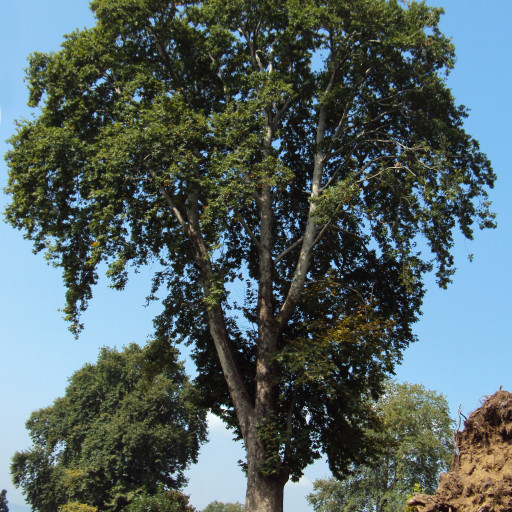
Known as the "Oriental Plane" or "Old World Sycamore," this majestic giant is the philosopher of the tree world. For millennia, it has provided deep shade to ancient scholars across the Mediterranean and Middle East, celebrated for its massive trunk and incredible longevity. Its sprawling, architectural branches make it a living monument that can survive for centuries, witnessing the rise and fall of civilizations.
🔍 How to Identify
- 🍂 Leaf Shape: Features large, hand-shaped (palmate) leaves with 5 to 7 very deep lobes. They look similar to maple leaves but are much larger and more rugged in texture.
- 🦴 The Bark: Its most striking feature is the "camouflage" bark. The outer layer peels away in large, irregular flakes to reveal a smooth, creamy-white or pale-green inner layer underneath.
- 🎾 Fruit Clusters: Look for distinct, fuzzy, ball-shaped seed heads (achenes). These typically hang in groups of two to six on a single stalk and often remain on the tree through the winter.
🏡 In Your Garden
- 🌳 Space Requirements: This tree is a true titan. It is not suitable for small suburban yards as its canopy can spread as wide as the tree is tall, and its powerful roots can easily lift pavement or interfere with pipes.
- 🛡️ Urban Resilience: It is remarkably "tough as nails" regarding air pollution and soil compaction. This makes it an ideal choice for grand city boulevards or expansive public parks where other trees might struggle.
- 💧 Thirst for Life: While it naturally thrives near stream banks and rivers, it is surprisingly drought-tolerant once its deep root system is established. It prefers deep, moist, well-draining soil.
⚠️ Safety & Toxicity
- ✅ Non-Toxic: The Oriental Plane is generally safe and non-toxic to humans, cats, dogs, and horses.
- 🤧 Micro-Hairs: During the spring, the emerging leaves and breaking seed balls release tiny, fine hairs into the air. These can cause "Plane Tree Itch," a temporary irritation of the eyes, nose, and throat for gardeners and those with sensitive respiratory systems.
✨ Fun Fact
📜 The Physician’s Tree: On the Greek island of Kos, there stands a famous Oriental Plane known as the "Tree of Hippocrates." Legend says that Hippocrates, the father of medicine, taught his students under its shade over 2,400 years ago. While the current tree is a younger descendant, it marks a site of medical history!

Detailed Care Instructions
To grow a Platanus Orientalis plant, commonly known as Oriental Plane tree or Old World Sycamore, you can follow these steps:
- Location and Climate: Choose a suitable location that receives full sun to partial shade. These trees thrive in Mediterranean or subtropical climates, but they can tolerate a wide range of conditions.
- Soil Preparation: Ensure the soil is well-draining and fertile. Amend heavy clay soils with organic matter like compost to improve drainage and provide nutrients. The soil pH should be neutral to slightly alkaline.
- Planting: Select a healthy sapling from a reputable nursery. Dig a hole twice as wide and just as deep as the plant's root ball. Gently place the sapling in the hole, ensuring the top of the root ball is level with the ground.
- Watering: Water the sapling thoroughly after planting, and then regularly water it until it becomes established. Deep watering once a week should be enough, ensuring the soil remains consistently moist but not waterlogged.
- Mulching: Apply a layer of organic mulch around the base of the tree, leaving a small gap around the trunk to prevent moisture buildup and potential rot. Mulch helps to retain moisture, suppress weeds, and regulate the soil temperature.
- Pruning: Prune the Oriental Plane tree in late winter or early spring to remove any dead or damaged branches. Also, prune to shape the tree and encourage strong branching structure. Avoid excessive pruning, as these trees have a natural, rugged appearance.
- Fertilizing: Apply a balanced, slow-release fertilizer in early spring to provide the necessary nutrients. Follow the package instructions for the correct dosage and method of application.
- Pests and Diseases: Platanus Orientalis can be susceptible to pests such as caterpillars, aphids, and scale insects. Regularly inspect the tree for signs of infestation, and apply appropriate organic or chemical controls if necessary. Occasional diseases like powdery mildew or cankers can also affect these trees, so monitor their health and take prompt action if required.
- Support: Young Oriental Plane trees might require staking to provide support and help establish a strong root system. Use soft tree ties to avoid damaging the trunk, and remove the stakes once the tree is firmly rooted.
- Maintenance: Regularly check for weeds around the tree base and remove them to prevent competition for nutrients and water. Keep the area under the tree clear of debris to avoid attracting pests or disease.
Remember, Oriental Plane trees can grow to be large and majestic, so ensure you have enough space for their mature size. These trees have a long life span and make beautiful shade trees once established.

Place in a bright room that is sun drenched almost all day. Or directly in a south-facing window.

When watering this plant, it is important to avoid overwatering as this can lead to root rot. Allow the top inch of soil to dry out before watering, and then water thoroughly, making sure the water reaches deep down into the root system. It is best to water in the early morning or evening when temperatures are cooler to reduce evaporation and water loss. Use a watering can or hose with a gentle spray nozzle to avoid damaging the plant and its leaves. Avoid getting water on the leaves as this can lead to fungal diseases. Once the plant has been watered, allow any excess water to drain away before returning the plant to its usual location.
To fertilize this plant, apply a balanced fertilizer with an N-P-K ratio of 10-10-10 or 15-15-15 in the early spring before new growth appears. Use a granular or liquid fertilizer and distribute it evenly around the base of the plant, avoiding direct contact with the trunk. Water the plant thoroughly after fertilizing. Repeat the process once or twice during the growing season, spaced out by at least six weeks. Over-fertilization can lead to excessive growth and make the plant vulnerable to pests and diseases.
The best type of soil to use with this plant is a loamy soil with good drainage and a pH level of 6.5 to 7.5. It should be rich in organic matter and have good water retention properties. The soil should be well aerated, with good structure and texture. A soil mix that has gravel or sand mixed into it can improve drainage and prevent waterlogging. The plant prefers sandy, clay, and loam soils. It is crucial to ensure proper drainage, as this plant is susceptible to root rot. Once established, adding a layer of mulch around the base of the plant can help retain moisture and protect the roots.
One way to propagate Platanus Orientalis is through semi-hardwood cuttings. The process involves taking cuttings from mature branches in late summer or early autumn, when the wood is still firm but starting to mature.
First, select healthy branches with no signs of disease or damage, and with a diameter of about 1/4 to 1/2 inch. Make a clean cut at a 45-degree angle just below a node, and remove any leaves from the lower half of the cutting.
Next, dip the cut end of the cutting into rooting hormone powder to encourage root growth. Then, insert the cutting into a pot filled with a well-draining soil mix, making sure it's planted deep enough so that at least one node is covered with soil.
Cover the cutting with a plastic bag or clear plastic container to create a humid environment, and place it in a bright, but not direct sunlight. It's important to keep the soil moist but not waterlogged, so water the cutting regularly, whenever the top layer of soil feels dry.
After a few weeks, if the cutting has developed roots, you can carefully transplant it into a larger pot or into a prepared outdoor site with well-drained soil. Keep in mind that Platanus Orientalis requires full sun and is tolerant of a wide range of soil types, but it does not tolerate waterlogged soil. With proper care, your propagated Platanus Orientalis plant can grow into a majestic tree.
Common pests of the oriental plane include Spider mites. Make a habit of checking your oriental plane frequently for pests so that any infestations can be caught and managed early.








