Plant Overview
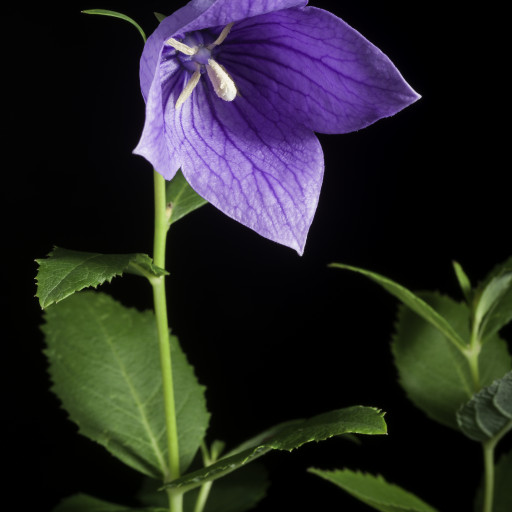
Commonly called the Balloon Flower or Chinese Bellflower, this charming perennial is famous for its playful flower buds that inflate into airy globes before popping open. In East Asia, it’s not just a garden beauty; it has a rich history as both a culinary ingredient and a medicinal herb, often appearing in traditional folklore as a symbol of unchanging love and honesty.
🔍 How to Identify
- 🎈 The "Balloon" Buds: Before blooming, the flower petals are fused into a distinct, hollow, balloon-like shape that builds pressure until it snaps open into a star.
- ⭐ Star-Shaped Blooms: Once open, the flowers form a perfect five-pointed star, typically in shades of deep violet-blue, though soft pink and snowy white varieties also exist.
- 🍃 Toothed Foliage: The leaves are lance-shaped with sharp, saw-toothed edges and a bluish-green tint, often arranged in neat whorls around the stems.
🏡 In Your Garden
- 🌱 Root Sensitivity: This plant grows from a thick, fleshy taproot similar to a parsnip. It absolutely hates being moved once established, so choose its "forever home" carefully to avoid fatal transplant shock.
- ⏳ The Late Sleeper: Don't panic in the spring! Balloon Flowers are notorious for being one of the last perennials to emerge from the soil. It is a good idea to mark their spot so you don't accidentally dig them up while gardening in early April.
- ✂️ Deadheading Rewards: If you pinch off the faded star blossoms, the plant will often reward you with a second flush of "balloons" later in the season.
⚠️ Safety & Toxicity
- 🐾 Pet Friendly: Good news for animal lovers—the Balloon Flower is generally considered non-toxic to dogs, cats, and horses.
- 👅 Mild Irritation: While the roots are used in traditional cooking, the raw plant contains saponins. If large amounts of the raw leaves or stems are ingested by small children or curious pets, it may cause mild stomach upset or a bitter taste.
✨ Fun Fact
In Korea, the root of this plant is known as Doraji. It is a prized ingredient in the famous dish Bibimbap, where it is peeled, soaked to remove bitterness, and sautéed to add a unique, earthy crunch.

Detailed Care Instructions
| Color | Blue, White, Pink |
| Soil Ph | 5.8 To 6.8 |
| Humidity | Normal |
| Lighting | Full Sun |
| Soil Type | Loamy, Well-Drained |
| Bloom Time | Summer |
| Difficulty | Medium |
| Plant Type | Perennial Flowers |
| Mature Size | Varies; Most Grow To 1 To 2 Feet Tall And 1 Foot Wide |
| Native Area | China, Korea, Japan, Russia |
| Temperature | 18°C - 25°C |
| Sun Exposure | Full Sun, Partial Shade |
| Hardiness Zones | 3 To 9 |
To grow Platycodon Grandiflorus, also known as balloon flowers, follow these steps:
- Choose a suitable location: Select a spot that receives full or partial sunlight, preferably with well-draining soil. Balloon flowers can tolerate a range of soil types but prefer medium moisture levels.
- Planting: The best time for planting Platycodon Grandiflorus is in spring or early summer, after the last frost. Dig a hole that is slightly wider and deeper than the plant's root ball. Place the plant in the hole, ensuring it is at the same depth as it was in its previous container or nursery pot. Backfill the hole with soil, gently firming it around the roots. Water thoroughly after planting.
- Watering: Balloon flowers prefer moderate moisture levels. Water the plant regularly, keeping the soil evenly moist but not waterlogged. During dry spells, make sure to provide sufficient water. However, avoid overwatering to prevent root rot.
- Mulching: Apply a layer of organic mulch, such as wood chips or shredded bark, around the base of the plant. Mulching helps to retain soil moisture, suppress weeds, and regulate soil temperature.
- Fertilizing: Balloon flowers generally do not require heavy fertilization. However, you can apply a balanced, slow-release fertilizer in early spring to promote healthy growth. Follow the instructions on the fertilizer package for the appropriate dosage.
- Pruning: It is beneficial to deadhead balloon flowers after they finish blooming. This involves removing spent flowers by cutting them back to the main stem. Deadheading encourages the plant to produce new flowers and prevents self-seeding.
- Support: Since balloon flowers have thin stems, it can be helpful to provide support, such as small plant stakes or a garden cage, to prevent them from flopping over in strong winds.
- Propagation: Platycodon Grandiflorus can be propagated through division or by collecting seeds. Division is best done in early spring or fall, while seed collection can occur when seed pods have matured and turned brown. Sow the seeds in a seed-starting mix and keep them moist until they germinate.
By following these guidelines, you should be able to successfully grow Platycodon Grandiflorus plants and enjoy their beautiful balloon-shaped flowers.

Place in a window with dappled sun or a spot in the middle of a room. Or directly in a window facing west or east.

When watering this plant, it is important to ensure that the soil is evenly moist but not waterlogged. It is recommended to water deeply and slowly, allowing the water to fully penetrate the soil and reach the roots. Avoid watering the leaves or flowers as this can promote the spread of diseases and pests. Monitor the soil moisture regularly and adjust watering frequency and amount based on environmental conditions such as temperature, humidity, and sunlight exposure. In general, it is better to err on the side of underwatering than overwatering.
To fertilize this plant, apply a slow-release fertilizer in early spring before new growth appears. Use a balanced formulation, such as 10-10-10 or 20-20-20, and follow the dosage instructions on the package. Water the soil after fertilizing to help the nutrients absorb. Avoid over-fertilizing, as this can cause leaf burn and damage to the roots.
The ideal soil for this particular plant is well-draining and loamy, with a pH level that ranges between slightly acidic and slightly alkaline. It should be rich in organic matter, which can be achieved by incorporating compost or aged manure. Because this plant prefers slightly dry conditions, using soil that does not retain too much moisture is highly recommended. Additionally, adding sand or perlite to the soil mix can help improve drainage and prevent waterlogging. Lastly, it is important to ensure that the soil is free from disease and pests, as this can affect the health and growth of the plant.
To propagate this plant, take a stem cutting in the summer when the plant is actively growing. The cutting should be about 4-6 inches long and have at least two nodes. Remove the leaves from the lower third of the cutting and dip the cut end in rooting hormone. Plant the cutting in a pot filled with well-draining soil and keep it in a bright but indirect light. Water the cutting when the soil starts to dry out. Once the cutting has rooted (which can take several weeks), it can be transplanted into a larger pot or directly into the ground.
Common pests of the balloon flower include Spider mites, larvae. Make a habit of checking your balloon flower frequently for pests so that any infestations can be caught and managed early.








