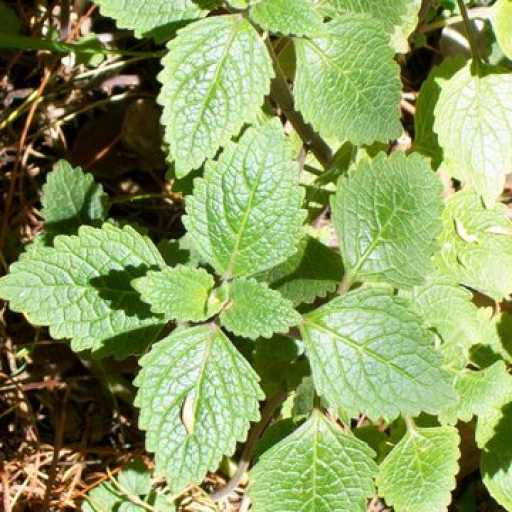
Plant Overview
Known as the Cockspur Flower or Small-flowered Plectranthus, this resilient little gem hails from the rocky outcrops of Australia and the lush islands of Hawaii. It is a master of survival, often found clinging to cliffs or thriving in the dappled light of coastal forests. While it might look like a delicate herb, it is actually a rugged, succulent-like groundcover that brings a splash of violet-tinted green to the shaded corners of your home or garden.
🔍 How to Identify
- 🌿 Velvety Leaves: The foliage is thick, fleshy, and egg-shaped with "scalloped" or rounded teeth along the edges. If you look closely, you’ll see fine hairs that give the plant a soft, velvety texture.
- 🟦 Spiked Blooms: It produces upright, slender flower spikes (racemes) topped with tiny, tubular blossoms that vary from snowy white to a very pale lavender-blue.
- ⬛ Square Stems: True to its membership in the Mint family, the stems are distinctly four-sided. You can easily feel the "corners" of the stem if you roll it gently between your fingers.
🏡 In Your Garden
- 💧 Drought Champion: Because it stores moisture in its succulent leaves, this plant is incredibly "forgiving." It prefers to dry out almost completely between waterings and will actually rot if left in soggy soil or a pot without drainage.
- 🌥️ The Shade Solution: Unlike many succulents that crave blazing sun, this Plectranthus thrives in bright indirect light or partial shade. It’s the perfect candidate for filling gaps under large trees where grass often struggles to grow.
⚠️ Safety & Toxicity
- 🐾 Pet Sensitivity: While not considered deadly, the plant contains essential oils that can cause mild digestive upset, drooling, or vomiting in cats and dogs if ingested in significant amounts.
- 🤚 Skin Irritation: The fine hairs and oils on the leaves can occasionally cause a mild, itchy rash for people with sensitive skin. It is best to wear gloves if you are doing a heavy pruning session.
✨ Fun Fact
- ✨ The name Plectranthus is derived from the Greek words plektron (meaning "spur") and anthos (meaning "flower"). This refers to the tiny, spur-like bump found at the base of its delicate blossoms!

Detailed Care Instructions
| Lighting | Part Sun |
To grow a Plectranthus Parviflorus plant, also known as the Blue Spurflower, you can follow these steps:
- Choose a suitable location: Plectranthus Parviflorus prefers a spot with partial shade or filtered sunlight. It can tolerate some direct sunlight but avoid placing it in intense, full sun exposure.
- Prepare the soil: The soil should be well-draining and rich in organic matter. Make sure the soil is loose and crumbly as Plectranthus Parviflorus plants do not like heavy, compacted soil.
- Planting: Dig a hole in the prepared soil that is slightly larger than the root ball of the plant. Place the plant into the hole, making sure it sits at the same depth it was previously growing. Backfill the hole with soil, gently firming it around the roots.
- Watering: Water the plant thoroughly after planting to help establish it. Afterward, water it regularly, keeping the soil evenly moist but not waterlogged. Plectranthus Parviflorus prefers a slightly drier soil compared to other plants, so be cautious not to overwater.
- Fertilizing: Feed the plant with a balanced, water-soluble fertilizer every four to six weeks during the growing season. Follow the instructions on the fertilizer package for application rates.
- Pruning: Plectranthus Parviflorus tends to become leggy over time. Prune the plant in early spring or late winter to encourage bushier growth and improve its appearance. Cut back any dead or damaged stems as well.
- Propagation: Plectranthus Parviflorus can be propagated through stem cuttings. Take 3 to 4-inch long cuttings from a healthy, mature plant and remove the lower leaves. Plant the cuttings in a pot filled with well-draining soil or a rooting medium. Keep the cuttings consistently moist until roots develop.
- Pests and diseases: Keep an eye out for common pests such as aphids, mites, and mealybugs. Treat infestations promptly with insecticidal soap or neem oil. Plectranthus Parviflorus is generally resistant to diseases but can suffer from root rot if overwatered.
Remember to regularly monitor the plant's soil moisture, as it can be sensitive to excessive moisture. With proper care and attention, your Plectranthus Parviflorus plant should thrive and grow well.

Place in a dark room with little light, like a dark bedroom or a spot far away from a window or directly in a north-facing window.

To water this plant, first, observe the soil moisture level. Stick your finger into the soil up to your first knuckle. If the soil feels dry, it is time to water the plant. Use a watering can or a hose with a gentle spray nozzle. Slowly pour water onto the soil until it begins to drain out of the bottom of the pot. Avoid getting water on the leaves or foliage as this can lead to fungal diseases. Wait until the soil dries out before watering the plant again as overwatering can damage the roots.
To fertilize this plant, you will need a balanced, water-soluble fertilizer. Mix the fertilizer according to the instructions on the packaging, and apply it to the soil every two to three weeks during the growing season. Be sure to water the plant well both before and after fertilizing to avoid fertilizer burn and to ensure that the plant can absorb the nutrients. Do not fertilize the plant during the dormant season, as this can harm the roots.
Plectranthus Parviflorus plant prefers well-draining soil that is slightly acidic with a pH level between 5.5 and 6.5. The soil should be rich in nutrients and organic matter, as this plant has high nutrient requirements. The ideal soil type is a loamy or sandy soil that holds moisture well but does not become waterlogged. Avoid using heavy, compacted soil, as this can hinder root growth and cause waterlogging. Adding perlite or coarse sand to the soil can improve drainage. It is recommended to feed Plectranthus Parviflorus plant with a balanced fertilizer every two weeks during the growing season.
To propagate this plant, you will need to take stem cuttings from a healthy parent plant. Choose a stem that is healthy, strong, and approximately 4-6 inches long. Using a clean, sharp knife or scissors, cut the stem just below a node, which is where a leaf meets the stem. Remove any leaves from the lower half of the stem, leaving only a few at the top.
Next, prepare a small pot with well-draining soil. You can mix perlite or sand with regular potting soil to create a lighter mix. Make a small hole in the soil with a pencil or your finger. Dip the cut end of the stem into rooting hormone powder (optional) and then insert it into the hole. Firmly press the soil around the stem to make sure it is stable.
Water the cutting well and cover the pot with a plastic bag or dome to create a humid environment. Place the pot in a bright, warm location, but out of direct sunlight. Keep the soil moist but not waterlogged, and mist the cutting occasionally.
After about 2-3 weeks, check for root growth by gently tugging on the stem. If there is resistance, the cutting has rooted. Remove the plastic cover and gradually acclimate the plant to lower humidity and more light. When it has grown larger and stronger, it can be transplanted into a larger pot or outside into the garden.








