Plant Overview
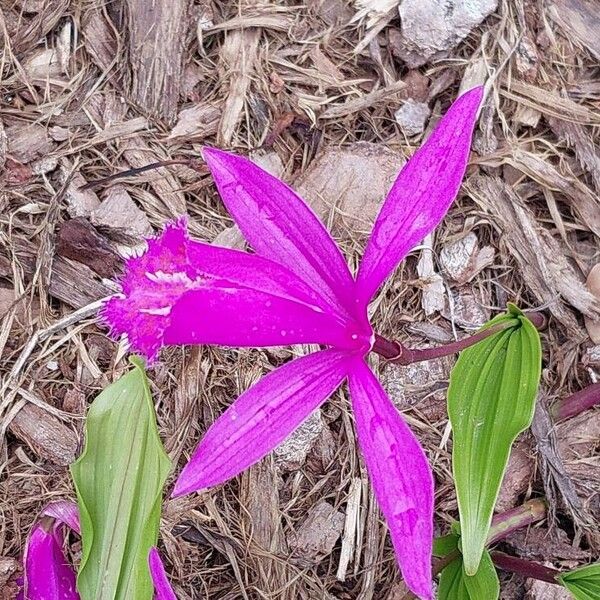
Often called the "Himalayan Crocus," this stunning orchid transforms from a humble, leafless bulb into a vibrant explosion of color every spring. Native to the mountainous regions of China, it captures the elegance of a classic orchid with the rugged resilience of a high-altitude wildflower. It is a favorite among enthusiasts for its "cool-growing" nature, making it the perfect choice for those who find tropical orchids a bit too finicky for their climate.
🔍 How to Identify
- 🍐 The Pseudobulbs: Look for small, dark green or purplish "bulbs" (actually thickened stems) shaped like teardrops or bottles that sit right at the soil surface.
- 🌸 Fringed Flowers: The blooms are famous for their large, trumpet-shaped "lip" (labellum) which features a delicate, feathery fringe and intricate spotting in yellow or dark red.
- 🍃 Pleated Leaves: A single, lance-shaped leaf emerges—usually after the flower begins to fade—featuring distinct vertical ridges or pleats similar to a folding fan.
🏡 In Your Garden
- ❄️ The Winter Chill: Unlike many orchids, Pleione requires a distinct "cold and dry" dormant period in the winter to trigger flowering. If they stay too warm and wet during their sleep, they may skip their spring show or rot entirely.
- ☁️ Airy Foundations: Because these often grow on mossy rocks or tree trunks in the wild, they despise heavy garden soil. They thrive in a very loose, bark-based orchid mix that allows their roots to "breathe" while staying humid.
⚠️ Safety & Toxicity
- ✅ Safe Status: Pleione bulbocodioides is generally considered non-toxic to humans and common household pets.
- 🐱 Pet Interaction: While not poisonous, the delicate pseudobulbs can be a tempting "crunchy" snack for curious cats or dogs, which can damage the plant's ability to regrow the following year. It’s best kept on a high shelf or windowsill.
✨ Fun Fact
In the wild, these orchids are often found "clinging for dear life" to vertical mossy cliffs or damp rock faces. This unique lifestyle is why they have evolved to grow almost entirely on top of the substrate rather than buried deep within it!

Detailed Care Instructions

Place in a window with dappled sun or a spot in the middle of a room. Or directly in a window facing west or east.

Some plants require more regular watering than others, which should be done every few days. It's critical to maintain the soil moist all of the time. The water requirements of the same plant placed in pots with varying sizes will differ. Because the water in the smaller pot evaporates faster than the water in the larger pot, it will require more watering. Regardless of pot size, the surface should constantly be maintained moist.







