Plant Overview
Often called the Guaburiti or the Cambucá-peixe, Plinia rivularis is a hidden gem of the South American Atlantic Forest. While it belongs to the same family as the famous Jaboticaba, it carries its own unique charm with bright, sun-colored fruits that line its branches. In its native Brazil, it is often found whispering along the edges of streams, earning its name from the Latin word for "brook."
🔍 How to Identify
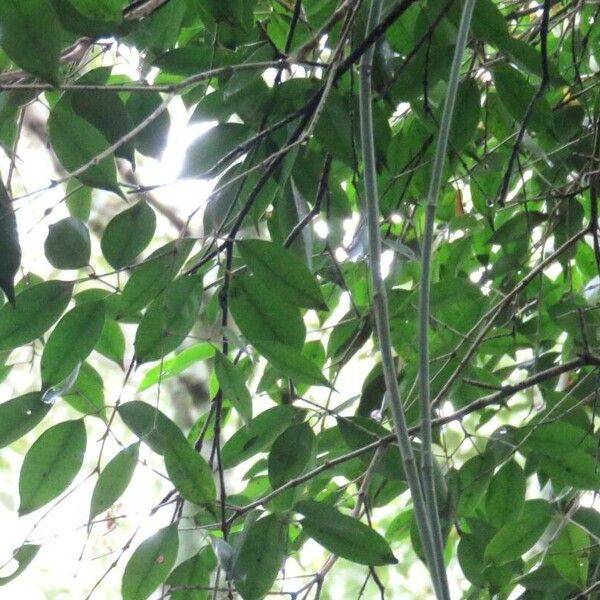
- 🍃 Elegant Foliage: The leaves are lance-shaped, glossy, and a deep, rich green. They grow in an opposite pattern, creating a dense, lush canopy that provides excellent shade.
- 🌸 Fuzzy Blooms: It produces delicate white flowers with many stamens, giving them a "powder puff" appearance. These typically emerge from the leaf axils rather than directly from the trunk like some of its cousins.
- 🟡 The Fruit: The Guaburiti produces small, globose fruits that transition from green to a vibrant yellow or orange-red when ripe. The skin is thin, and the pulp inside is juicy, sweet, and slightly translucent.
🏡 In Your Garden
- 💧 Water Lover: True to its name (rivularis), this plant thrives in moist environments. It is perfect for those "wet spots" in a garden where other fruit trees might struggle with root rot, as it is naturally adapted to riparian zones.
- 🌳 Slow and Steady: This is a slow-growing evergreen tree. While it requires patience before it reaches its full fruiting potential, its ornamental value and smooth, exfoliating bark make it a beautiful landscape feature even when young.
- 🐝 Wildlife Magnet: If you are looking to build a pollinator-friendly space, this is a top choice. The nectar-rich flowers are a favorite for native bees, and the ripened fruits will attract a variety of songbirds to your yard.
⚠️ Safety & Toxicity
- ✅ Safe & Edible: The fruit of Plinia rivularis is perfectly safe and highly prized for its refreshing, sweet-acidic flavor. It can be eaten fresh or turned into jellies and jams.
- 🐾 Pet Friendly: There are no documented toxicities for cats or dogs regarding this specific species. However, as with any fruit, the seeds should generally be avoided by small pets to prevent any potential choking or digestive upset.
✨ Fun Fact
The Guaburiti is often used in ecological restoration projects in South America. Because it loves riverbanks, it helps prevent soil erosion while simultaneously providing a vital food source for local fish that eat the fruits when they drop into the water!

Detailed Care Instructions








