Plant Overview
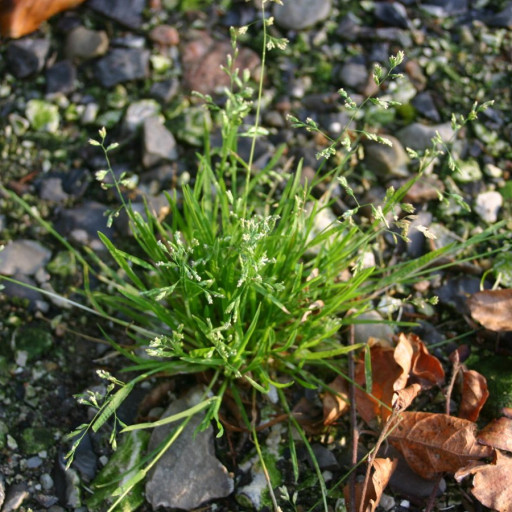
Often called the "Lawn Crasher" or simply Annual Bluegrass, this humble grass is a master of disguise and survival. While it might look like a standard lawn from afar, its lighter lime-green shade and persistent seed heads reveal its true identity as one of the world's most successful botanical colonizers. Whether you appreciate its soft texture on a professional golf green or loathe its appearance in your backyard, it is an undeniable marvel of the plant world.
🔍 How to Identify
- 🍃 Boat-Shaped Tips: If you look closely at the end of a leaf blade, it curves upward into a distinct "boat-shaped" tip, resembling the prow of a tiny green canoe.
- 🎨 Light Green Hue: It typically displays a bright, yellowish-green color that stands out sharply against the darker, deep greens of traditional turf grasses like Fescue or Kentucky Bluegrass.
- 🌾 Persistent Seed Heads: Even when mowed extremely short, this plant manages to produce small, branched, whitish flower clusters (seed heads) that give the lawn a "speckled" or dusty appearance.
🏡 In Your Garden
- 💧 The Moisture Indicator: This grass thrives in over-watered areas or spots with poor drainage. If a patch is taking over your yard, it is often a "messenger" telling you that your soil is staying too damp for too long.
- 👣 Compaction King: It loves "tired" soil. Areas with heavy foot traffic where the ground is hard and packed are prime real estate for this opportunistic traveler, as it outcompetes stressed-out turf.
- ✂️ Stubborn Seeder: Its greatest survival trick is its ability to flower and drop seeds even at a mowing height of less than an inch. This makes it incredibly difficult to remove manually once it has established a "seed bank" in your soil.
⚠️ Safety & Toxicity
- ✅ Non-Toxic: Poa annua is generally considered safe and non-toxic for dogs, cats, and children. It is a common component of many grazing pastures.
- 🤧 Allergy Warning: Because it is such a prolific producer of pollen during its seeding phase, it can be a significant trigger for those who suffer from seasonal hay fever or grass allergies.
✨ Fun Fact
- ❄️ The Antarctic Explorer: Poa annua is one of the most widely distributed plants on Earth. It is so resilient that it is one of the very few invasive species to have successfully established itself in the harsh environment of Antarctica, likely hitching a ride on the boots of researchers!

Detailed Care Instructions
| Color | Green |
| Soil Ph | 6-8 |
| Humidity | Normal |
| Invasive | Weed |
| Lighting | Part Sun |
| Soil Type | Well-Draining, Clay, Chalky, Loamy, Sandy |
| Bloom Time | Early Spring To Autumn |
| Difficulty | Easy |
| Plant Type | Annual Grass |
| Hibernation | Cold Period |
| Mature Size | Up To 10 Inches High |
| Native Area | Eurasia |
| Sun Exposure | Full Sun To Partial Shade |
| Hardiness Zones | 4-8 |
To grow Poa Annua (annual bluegrass) plants, follow these steps:
- Select a suitable location: Poa Annua prefers full sun to partial shade. Choose an area with well-draining soil.
- Prepare the soil: Break up the soil using a garden fork or tiller to remove any weeds, rocks, or debris. Add organic matter like compost to improve soil fertility and drainage.
- Plant the seeds: Sow Poa Annua seeds in early spring or early fall. Ensure the soil is moist but not waterlogged. Scatter the seeds evenly over the soil and gently press them into the surface. Aim for a seeding rate of around 2-3 pounds per 1,000 square feet.
- Watering: Keep the soil consistently moist until the seeds germinate, which usually takes 7-14 days. Water the area lightly daily or as needed to prevent the soil from drying out.
- Fertilize: After the seedlings reach about two inches in height, apply a balanced fertilizer according to the manufacturer's instructions. Repeat this process every 4-6 weeks during the growing season.
- Mowing: Once the Poa Annua reaches a height of about three inches, you can start mowing it. Set your lawn mower at a height of around two inches, as this grass prefers a shorter cut.
- Maintenance: Regularly water the Poa Annua lawn as needed, providing about 1 inch of water per week to keep the grass healthy and green. Remove any weeds that may compete with the grass.
- Overseeding: Since Poa Annua is an annual grass, it often dies out in warmer weather. If desired, overseed the area with new Poa Annua seeds in the fall to maintain a lush lawn throughout the year.
Remember to consult a local gardening expert or nursery for specific guidance tailored to your region's climate and soil conditions.

Place in a bright room that is sun drenched almost all day. Or directly in a south-facing window.
Poa Annua is a type of plant that requires regular watering to maintain its health. To water this plant, you need to start by choosing the right location where it can thrive well. Once you have located the plant in a good location, check the soil moisture content frequently to determine the right time to water it.
When watering Poa Annua, use a watering can or a hose with a soft spray nozzle to avoid washing away the soil or damaging the plants. Slowly pour water into the soil around the base of the plant, ensuring that the water reaches the roots of the plant. Make sure to water the plant from top to bottom.
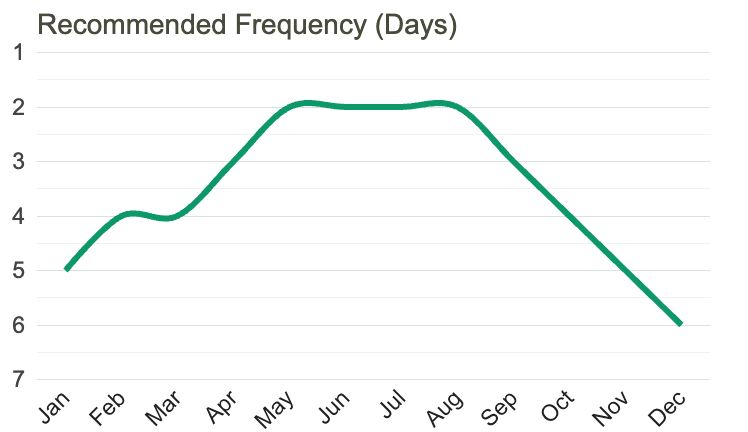
During the summer months, Poa Annua plants tend to use more water, so it is essential to water them more frequently to ensure they are hydrated enough to survive. On the other hand, during the winter months, you can reduce the frequency of watering while ensuring that the plant does not dry out completely.
In conclusion, watering Poa Annua plant is an essential part of its care routine, and you need to keep a consistent watering schedule to maintain its health and vitality.
To properly fertilize this plant, it is best to use a balanced fertilizer with equal amounts of nitrogen, phosphorus, and potassium. The most appropriate time to fertilize is during the early stages of growth or during the growing season. It is important to follow the instructions on the fertilizer package, making sure not to over-fertilize, which can cause damage to the plant. A good rule of thumb is to apply the fertilizer evenly across the entire area of the plant's root zone. It is also recommended to water the plant after fertilizing to help distribute the nutrients evenly throughout the soil.
The soil that is best suited for this particular plant is light and well-draining. It should be rich in organic matter and have a slightly acidic pH level, between 6.0 and 6.5. It is beneficial to use soil that has been previously amended with compost or other organic matter to provide adequate nutrients for the plant. Additionally, it is important to avoid using heavy soils or soils that are prone to waterlogging, as they may cause root rot or other fungal diseases. When planting this species, it is recommended to use soil that is specifically formulated for use with this plant or to mix your own soil that meets the above criteria.
To propagate this plant, start by collecting its seeds as they mature or by dividing mature clumps. If you are propagating through seed collection, sow them in late summer to early autumn, in soil that is moist and fertile. If you are propagating by dividing mature clumps, wait until autumn or early spring, when the plant is not actively growing, and carefully separate the clumps using a sharp knife or spade. After dividing, replant the separated clumps in moist, well-draining soil and keep them watered until they have re-established.
Common pests of the winter grass include Thrips. Make a habit of checking your winter grass frequently for pests so that any infestations can be caught and managed early.








