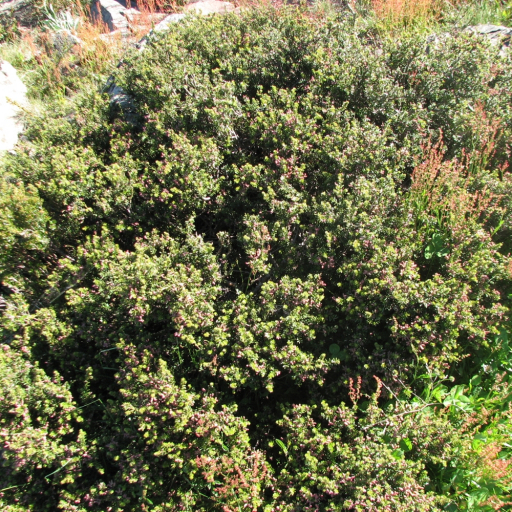
Plant Overview
Known as the Mountain Plum Pine, this resilient Australian native is a master of alpine adaptation. While it belongs to the ancient conifer family, don't expect a towering timber tree; this plant prefers to hug the earth, scrambling over granite boulders in the sub-alpine highlands of Tasmania and Victoria. It is a "living fossil" that brings a rugged, prehistoric aesthetic to any modern rock garden or bonsai collection.
🔍 How to Identify
- 🌿 Dwarf Foliage: Features small, crowded, needle-like leaves that are blunt to the touch. They are typically a deep matte green but often turn a beautiful plum or bronze color during the frosty winter months.
- 🧗 Prostrate Habit: It rarely grows upward, instead forming a dense, tangled mat that follows the contours of the ground or spills over the edges of containers.
- 🍒 False Berries: It doesn't produce flowers. Instead, it develops a hard seed sitting atop a fleshy, bright red "peduncle" that looks like a tiny plum, providing a striking contrast against the dark green needles.
🏡 In Your Garden
- 🏔️ Extreme Hardiness: Because it originates from wind-swept mountain peaks, it is incredibly frost-tolerant and can handle heavy snow loads without snapping. It is the perfect choice for high-altitude gardens or cold climates.
- 🪴 Slow & Steady Growth: This plant is famous for its slow growth rate. While this makes it low-maintenance (you’ll rarely need to prune it), it also means you should choose your planting spot carefully, as it won't "fill in" a gap quickly.
- 🏜️ Drainage Specialist: It hates "wet feet." To keep it happy, mimic its mountain home by using rocky, gritty soil and ensuring water can flow freely away from the roots.
⚠️ Safety & Toxicity
- 🛡️ Mildly Toxic: The plant is generally considered low-risk, but the seeds and foliage contain diterpenes which can cause distress if consumed in large quantities.
- 🐾 Pets & Children: While the fleshy red "fruit" base is technically edible for some birds, the actual seed inside is toxic. It is best to discourage pets or curious children from tasting any part of the plant to avoid stomach upset or vomiting.
✨ Fun Fact
Individual Podocarpus lawrencii plants are among the oldest living things in the Australian Alps; some specimens clinging to rock faces are estimated to be over 400 years old, having survived centuries of bushfires and freezing blizzards!

Detailed Care Instructions
To grow a Podocarpus Lawrencii plant, you can follow these steps:
- Choose the right location: Podocarpus Lawrencii plants prefer bright, indirect sunlight, so find a spot that receives partial sun or dappled shade throughout the day. They can also tolerate full sun if given enough humidity and water.
- Soil preparation: Prepare a well-draining soil mix that is rich in organic matter. Podocarpus Lawrencii plants prefer slightly acidic to neutral soil (pH 5.5-7.0).
- Planting: Dig a hole in the prepared soil that is slightly larger than the plant's root ball. Gently remove the plant from its container and place it in the hole. Fill the hole with soil, firming it down around the plant.
- Watering: Water the newly planted Podocarpus Lawrencii thoroughly after planting. Keep the soil consistently moist but not waterlogged. Water deeply when the top inch of soil feels dry.
- Mulching: Apply a layer of organic mulch around the base of the plant, leaving a small gap around the stem to prevent rot. Mulching helps retain moisture and suppresses weed growth.
- Pruning: Prune Podocarpus Lawrencii plants as needed to maintain their desired shape and size. Pruning is best done in late winter or early spring before new growth begins.
- Fertilizing: Feed the plant with a slow-release balanced fertilizer during the growing season (spring and summer). Follow the package instructions for application rates.
- Pests and diseases: Keep an eye out for common pests like scale insects or mites. If you notice any infestations, treat the plant with an appropriate insecticide or seek advice from a local plant nursery.
- Provide support: Podocarpus Lawrencii plants may benefit from staking when young to help them establish a upright growth habit.
- Protect from extreme temperatures: In colder regions, provide protection from frost or freezing temperatures by wrapping the plant with frost cloth or bringing it indoors during winter.
Remember to regularly monitor your plant for any signs of distress or issues, and adjust care and maintenance as needed.
To properly water the plant commonly known as Podocarpus Lawrencii, follow these guidelines:
- Evaluate the soil moisture: Before watering, check the moisture level in the soil. Insert your finger into the soil up to the first knuckle. If it feels dry, it's time to water. If it's still moist, wait a few more days before watering.
- Watering frequency: Podocarpus Lawrencii generally prefers a moderate watering schedule. As a rule of thumb, provide water whenever the top 2-3 inches of soil feel dry.
- Watering method: Use a watering can or a garden hose with a gentle, wide spray nozzle. Avoid using a strong jet of water as it can dislodge the soil and cause damage to the roots.
- Watering technique: Slowly pour water directly onto the soil around the base of the plant. Aim to moisten the soil evenly without creating water puddles or runoff. Avoid wetting the foliage as it can lead to fungal diseases.
- Deep watering: Ensure that the water penetrates deeply into the soil. Provide enough water so that it reaches the root zone of the plant. This encourages the roots to grow deeper, establishing a stronger and more resilient plant.
- Drainage: Adequate drainage is crucial for Podocarpus Lawrencii plants. Choose pots or containers with drainage holes, and plant them in well-draining soil. This prevents waterlogging, which can lead to root rot.
- Mulching: Apply a layer of organic mulch around the base of the plant. Mulch helps to conserve moisture, regulate soil temperature, and prevent weed growth. However, keep the mulch a couple of inches away from the plant's stem to prevent rot.
- Observation: Monitor the plant closely after watering to ensure it receives an adequate amount without becoming waterlogged. If the foliage appears limp or yellowing, it may be a sign of overwatering. Adjust the watering frequency accordingly.
Remember, these watering guidelines serve as general advice. Factors such as climate, season, pot size, and sunlight exposure can influence the water requirements of Podocarpus Lawrencii. It's essential to adapt your watering routine based on the specific needs of the plant in your care.
Here are fertilizing instructions for the specific plant you mentioned:
- Choose a balanced, slow-release fertilizer specifically formulated for evergreen plants.
- Start fertilizing in early spring, just before the plant's active growth period.
- Measure the recommended amount of fertilizer according to the package instructions.
- Sprinkle the fertilizer evenly around the base of the plant, avoiding direct contact with the trunk.
- Use a rake or your hands to gently work the fertilizer into the top layer of soil.
- Water the plant thoroughly immediately after fertilizing to help the nutrients penetrate the roots.
- Repeat the fertilization process once every three months throughout the growing season, but be cautious not to over-fertilize.
- Monitor the plant's response to the fertilizer and adjust the frequency or amount if necessary.
Remember to follow the specific instructions or fertilizer recommendations provided by the manufacturer for the best results.
Podocarpus lawrencii is a plant that requires well-draining soil to thrive. It prefers slightly acidic to neutral soil with a pH range between 6.0 and 7.5. The soil should be able to retain some moisture but not become waterlogged, as this can lead to root rot.
A suitable soil mix for Podocarpus lawrencii would contain a combination of organic matter, such as compost or peat moss, and a well-draining material like perlite or coarse sand. This helps to promote both moisture retention and proper drainage. The addition of organic matter improves the soil's fertility and provides nutrients essential for the plant's growth.
It is important to avoid compacted or heavy clay soils, as they hold excess moisture and restrict root growth. Similarly, sandy soils may drain too quickly and not hold enough moisture for proper hydration of the plant.
Regularly monitoring the moisture levels of the soil is crucial for Podocarpus lawrencii. Watering should be done when the top inch of soil feels dry to the touch. Overwatering should be avoided, as it can lead to root damage and other issues.
In summary, a well-draining soil mix with slightly acidic to neutral pH, enriched with organic matter, is ideal for the successful growth of Podocarpus lawrencii.
To propagate this plant, follow these steps:
- Select a healthy and mature Podocarpus Lawrencii plant from which you want to take cuttings. It is best to choose a plant that is disease-free and has strong, vibrant foliage.
- Prepare a clean and sharp pair of pruning shears or scissors. These tools will be used to take cuttings from the parent plant.
- Prioritize taking cuttings in spring or early summer when the plant is actively growing. This is the best time for successful propagation.
- Identify a suitable stem on the parent plant that is approximately 4-6 inches long and free from any damages or diseases. The stem should also be firm and healthy.
- Make a clean cut just below a node or leaf with the scissors or pruning shears. A node is a small bump where the leaves emerge from the stem.
- Remove any lower leaves from the stem, leaving only a few leaves at the top. This helps reduce moisture loss and directs the plant's energy towards root development.
- Prepare a small pot or container with well-draining soil or a rooting medium. You can use a mix of perlite, vermiculite, or sand to increase drainage.
- Dip the cut end of the stem into a rooting hormone powder or liquid to promote root development. This step is optional but can increase the success rate of propagation.
- Gently insert the treated end of the stem into the prepared potting mix, ensuring it is planted deep enough for stability but not too deep that it gets buried completely.
- Place the potted cutting in a warm and humid location, preferably under indirect sunlight. You can create a mini greenhouse effect by covering the pot with a clear plastic bag or a plastic dome to maintain high humidity around the cutting.
- Regularly mist the cutting or lightly water it to keep the rooting medium moist but not soggy. Overwatering can lead to rotting, so ensure proper drainage to prevent this.
- Monitor the cutting for signs of new growth and root formation. Be patient, as it may take several weeks or even months for roots to develop.
- Once roots have sufficiently developed, usually indicated by new leaves or resistance when gently tugging the cutting, carefully transplant the rooted cutting into a larger pot or garden bed.
- Continue to provide care for the new plant, including regular watering, adequate sunlight, and protection from extreme weather conditions.
By following these steps, you can successfully propagate Podocarpus Lawrencii and expand your collection of these beautiful plants.







