Plant Overview
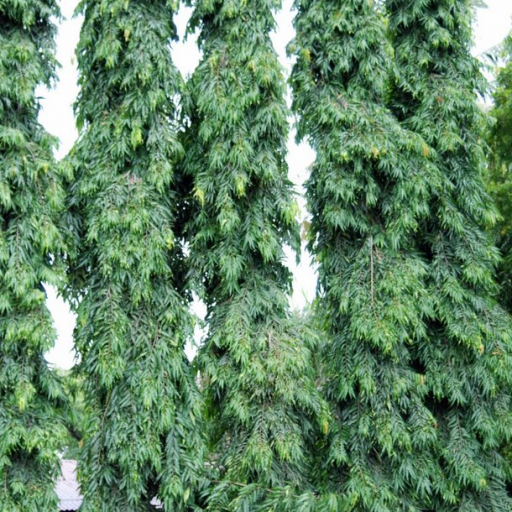
Known as the False Ashoka or the Mast Tree, this elegant evergreen is a vertical masterpiece of the botanical world. Native to India and Sri Lanka, it is often planted in long, stately rows to create living green walls. While it is frequently confused with the sacred Ashoka tree (Saraca asoca), the Polyalthia is easily distinguished by its dramatic, weeping silhouette and "spirit-level" straight trunk.
🔍 How to Identify
- 🌿 Growth Habit: It grows into a tall, slender pyramid. The branches droop downward almost parallel to the main trunk, giving it a column-like appearance.
- 🍃 Wavy Leaves: The foliage is long, narrow, and lance-shaped with distinctively wavy or "crinkled" margins that catch the light.
- 🎨 Color Shift: New leaves emerge in a soft, coppery-brown shade, providing a beautiful contrast before they mature into a deep, glossy forest green.
🏡 In Your Garden
- 🌬️ Natural Soundproofing: Due to its dense, vertical growth, this tree is a favorite for urban gardeners looking to reduce noise pollution or create a high-altitude privacy screen.
- 🏗️ Deep Roots: It possesses a powerful taproot system. This makes the tree incredibly stable during storms and drought-resistant, but it also means it is very difficult to transplant once it has settled into the ground.
⚠️ Safety & Toxicity
- ✅ General Status: Non-toxic and generally safe for residential landscapes.
- 🐾 Pets & Kids: It does not possess thorns or irritating saps. While not intended for consumption, it is considered safe to plant in areas where curious pets or children play.
✨ Fun Fact
In the days of wooden sailing ships, the exceptionally straight and flexible trunks of these trees were harvested specifically to create the masts for vessels, which is why it is still called the "Mast Tree" across much of the world today!

Detailed Care Instructions
| Humidity | Normal |
| Lighting | Full Sun |
| Difficulty | Medium |
| Temperature | 26°C - 36°C |
| Hardiness Zones | Min 9B |
To grow a Polyalthia longifolia plant, also known as the Indian mast tree or false ashoka tree, you can follow these steps:
- Seed selection: Obtain healthy seeds from a reputable source. It is recommended to choose fresh seeds for better germination rates.
- Germination: Soak the seeds in water for 24 hours to soften the seed coat. Then, sow them in a well-draining potting mix. Place the pot in a warm and sunny location while keeping the soil moist. Germination may take around 2-4 weeks.
- Pot selection: Choose a pot that has good drainage holes and is at least 12-16 inches deep. Use a well-draining potting mix that includes compost or organic matter.
- Planting: Once the seedlings have developed a few true leaves, transplant them into the chosen pot. Gently remove the seedlings from the germination pot, being careful not to damage the roots. Plant them at the same depth as they were in the germination pot.
- Position: Polyalthia longifolia prefers a sunny location with partial shade, especially during hot summer months. Choose a spot with good airflow to reduce the risk of fungal diseases.
- Watering: Water the plant regularly, keeping the soil moist but not waterlogged. Once established, the Polyalthia longifolia is moderately drought-tolerant.
- Fertilization: Feed the plant with a balanced, slow-release fertilizer during the growing season (spring and summer). Follow the instructions on the fertilizer package for proper application.
- Pruning: Regularly prune the plant to maintain its desired shape and size. Pruning also helps to improve airflow and prevent the occurrence of diseases.
- Pests and diseases: Monitor the plant for any signs of pests or diseases. Common issues include aphids, scale insects, and leaf spot diseases. Treat them promptly with appropriate organic or chemical solutions.
- Transplanting (if desired): If the plant outgrows its container, it can be transplanted into a larger pot or directly into the ground. Ensure the new location offers similar conditions to the original pot.
Remember to always research specific care requirements for your particular region, as environmental conditions can vary.

Place in a bright room that is sun drenched almost all day. Or directly in a south-facing window.

The Polyalthia Longifolia plant requires regular watering, but it is important not to over-water it as this can cause root rot. It is recommended to water the plant when the top inch of soil is dry to the touch. When watering, water thoroughly and allow the excess water to drain out of the bottom of the pot.
During the warmer months, the plant may require more frequent watering as it prefers a moist soil. In contrast, during the cooler months, the plant may be able to tolerate less frequent watering as it enters a dormant period.
It is also important to note that the Polyalthia Longifolia plant prefers well-draining soil, which allows excess water to drain away from the roots. Additionally, the plant may benefit from occasional fertilization to promote growth and health.
- Choose a balanced fertilizer with equal amounts of nitrogen, phosphorus, and potassium.
- Dilute the fertilizer with water according to the instructions on the package.
- Apply the fertilizer to the soil around the base of the plant, avoiding the leaves and stems.
- Water the plant thoroughly after fertilizing to help distribute the nutrients.
- Fertilize every 4-6 weeks during the growing season (spring and summer), but reduce or stop fertilizing in the fall and winter when the plant is dormant.
- Avoid over-fertilizing, which can damage the roots and foliage of the plant.
Polyalthia Longifolia plant prefers well-draining soil with a neutral pH level. A mixture of loamy soil, perlite, and sand with a pH level of around 6.5 to 7 works well for this plant. This plant does not tolerate waterlogged or heavy clay soil, which can lead to root rot and other issues. It is important to ensure adequate drainage and avoid overwatering. Adding organic matter, such as compost or well-rotted manure, can also help improve soil structure and fertility. Regular fertilization during the growing season can promote healthy growth and development of the plant.
Polyalthia Longifolia plant can be propagated through stem cuttings. First, choose healthy and mature stems from the parent plant. Clean the cutting tools with rubbing alcohol to prevent any disease transmission. Cut the stems at an angle of about 45 degrees, making sure that each cutting has at least two nodes. Remove the lower leaves from the stem as they can rot in the soil.
Dip the cuttings into rooting hormone powder to encourage root growth. Place the cuttings in a well-draining potting mix that is moist but not waterlogged. Cover the container with a plastic bag to create a humid environment. Place the container in a bright but indirect light spot, avoiding direct sunlight.
Water the cuttings when the soil surface becomes dry, and remove any dead leaves or stems. After two to three weeks, the cuttings will develop a root system, and new growth will emerge.
Once the new growth reaches a reasonable size, transplant the young polyalthia longifolia seedlings into their desired location, either indoors or outdoors. Keep the soil moisture levels consistent and add fertilizer to support the plant's growth.








