Plant Overview
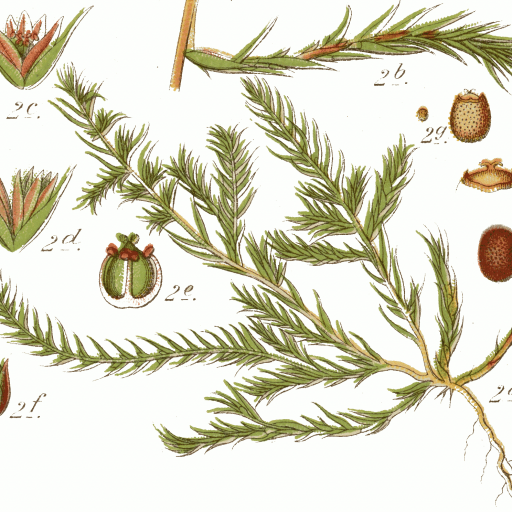
Known as the Field Needleleaf, this humble, ground-hugging annual is a master of camouflage in the wild. Often mistaken for a tiny conifer seedling or a stray sprig of rosemary, it thrives in the cracks of sun-baked fields and rocky terrains across Europe and Western Asia. While it doesn't boast flashy blooms, its architectural, needle-like structure makes it a fascinating find for those who appreciate the subtle beauty of "micro-botany."
🔍 How to Identify
- 🌿 Needle-Like Foliage: The leaves are very short (3–10mm), stiff, and sharply pointed, resembling tiny needles arranged densely along the stems.
- 🌸 Inconspicuous Flowers: You won't find petals here! The flowers are tiny, greenish-white, and tucked away in the "axils" where the leaves meet the stem, often protected by papery scales.
- 📐 Prostrate Growth: It rarely stands tall, instead spreading its branched stems along the ground in a bushy, carpet-like fashion, usually staying under 10–20 cm in height.
🏡 In Your Garden & Wild Spaces
- ☀️ The Sun Seeker: This plant is an "extremophile" of sorts; it thrives in poor, sandy, or calcareous (chalky) soils where other plants would wither. It is perfectly adapted to dry vineyards and abandoned fields.
- 🛡️ A Rare Survivor: In many parts of Northern Europe, the Field Needleleaf is becoming increasingly rare due to modern intensive farming. Finding it in the wild is often a sign of a well-preserved, traditional agricultural landscape.
⚠️ Safety & Toxicity
- ✅ Low Risk: Polycnemum arvense is generally considered non-toxic and safe for humans and common garden visitors.
- 🐾 Pet Friendly: There are no recorded instances of this plant being harmful to cats, dogs, or livestock, though its stiff, prickly leaves make it unappealing for most animals to snack on.
✨ Fun Fact
Despite its needle-like appearance that mimics a miniature pine tree, the Field Needleleaf is actually a distant relative of Spinach and Beets! They all belong to the Amaranthaceae family, proving that botanical cousins can look nothing alike.

Detailed Care Instructions

Place in a bright room that is sun drenched almost all day. Or directly in a south-facing window.

To water this plant, choose a container that has drainage holes at the bottom. Fill it with room temperature water to about an inch below the rim. Place the plant in the water and allow it to soak up the water through the drainage holes for about 10-15 minutes, or until the soil is moist throughout. Be careful not to overwater as this plant prefers to dry out slightly between waterings. During hot and dry weather, you may need to water more frequently, but always check the soil moisture before watering again. Avoid getting water on the leaves as this can cause fungal growth.
The ideal soil to use for the Polycnemum Arvense plant is a mixture that is well-draining and has good aeration. This will help ensure that excess moisture does not build up and potentially harm the plant. A good soil mixture may include a combination of sand, peat moss, and perlite, as each of these materials can help improve drainage and aeration. Additionally, the soil should have a pH level that is slightly acidic, between 6.0-6.5. This can be achieved by adding acidic amendments such as pine needles or sulfur to the soil. Finally, it is important to avoid using soil that contains excessive amounts of organic matter, as this can cause the soil to become too heavy and retain too much moisture, which can be harmful to the plant.








