Plant Overview
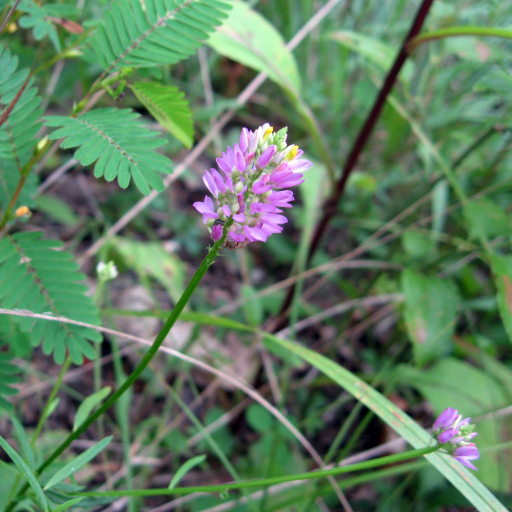
Meet the Curtiss’ Milkwort, a tiny but vibrant wildflower often nicknamed the "Candy Flower" for its bright pink, pom-pom-like blooms. Native to the sandy pine barrens and open meadows of the Eastern United States, it adds a splash of neon color to late summer landscapes. While it shares the "Milkwort" name with historical medicinal herbs, this species is mostly admired for its delicate beauty and resilience in poor, acidic soils.
🔍 How to Identify
- 🌸 The Flower Heads: Tight, egg-shaped clusters (racemes) of bright pink to magenta flowers that resemble miniature clover or tiny pineapples.
- 🍃 The Leaves: Narrow, alternate, and almost needle-like (linear), which help the plant conserve moisture in sunny, exposed spots.
- 📏 Stature: A slender, upright annual that usually stands about 8 to 15 inches tall, often branching out near the top to display multiple flower heads.
🏡 In Your Garden
- 💧 Moisture & Acid: This plant is a specialist for acidic, sandy, or clay-heavy soils that stay consistently moist. It is an excellent choice for bog gardens or native meadow restorations where other plants might struggle with the low nutrient levels.
- 🐝 Pollinator Magnet: Despite its small size, its nectar-rich flowers are a frequent stop for native bees and small butterflies, making it a "working" member of a wildlife-friendly backyard.
- 🌱 Annual Cycle: Since it is an annual, it relies on its seeds to return the following year. Avoid heavy mulching in areas where you want it to self-sow, as the seeds need contact with the soil to germinate.
⚠️ Safety & Toxicity
- ✅ Non-Toxic Status: Curtiss’ Milkwort is generally considered non-toxic to humans and common household pets like dogs and cats.
- 👅 Bitter Defense: While not dangerous to touch, the plant contains saponins (natural soap-like compounds) that give it an incredibly bitter taste, which usually prevents curious pets or children from eating enough to cause a stomach ache.
✨ Fun Fact
The genus name Polygala translates from Greek as "much milk." This stems from an ancient European folk belief that cows grazing on these plants would produce a significantly higher volume of milk—though modern science suggests the cows were likely just enjoying the lush, healthy pastures where these flowers tend to grow!

Detailed Care Instructions
To grow the Polygala Curtissii plant, also known as Curtiss' milkwort or pinebarren milkwort, follow these steps:
- Climate and location: First, check if your climate and location are suitable for the growth of this plant. Polygala Curtissii is native to the southeastern United States and typically grows in pine barrens and sandy soils. It prefers full sun to partial shade.
- Soil preparation: The plant thrives in well-draining, slightly acidic soil with a pH ranging from 5.5 to 6.5. If your soil is heavy or clay-like, amend it with some organic matter like compost or peat moss to improve drainage.
- Planting: Purchase Polygala Curtissii seeds from a reliable nursery or seed supplier. Start your seeds indoors before the last frost date or plant them directly in the ground after the danger of frost has passed. Sow the seeds at a depth of ¼ inch in prepared soil, allowing sufficient spacing between plants (around 12-18 inches).
- Watering: Keep the soil evenly moist during the germination period. Once the plant establishes, it is somewhat drought-tolerant, but regular watering is still necessary during dry periods. Avoid overwatering, as too much moisture can lead to root rot.
- Mulching: Apply a layer of organic mulch around the plants to help retain soil moisture, moderate soil temperature, and suppress weed growth. Pine needles or bark mulch would be a suitable option.
- Fertilization: Polygala Curtissii generally does not require heavy fertilization. However, you can provide a balanced slow-release fertilizer for outdoor plants during the growing season, following the instructions on the packaging.
- Pruning: Regular pruning is not necessary for this plant. Trim back any dead or damaged stems as needed to maintain plant health.
- Pest and disease control: Monitor the plants for common pests like aphids, mealybugs, or spider mites. If an infestation occurs, treat the plants with an appropriate insecticide or use organic pest control methods like neem oil. As for diseases, Polygala Curtissii is generally resistant, but ensure proper air circulation and avoid excess moisture to prevent potential fungal issues.
- Propagation: You can propagate Polygala Curtissii by taking stem cuttings or dividing the plant clumps. Spring or early summer is the best time for propagation.
- Winter care: In areas with cold winters, protect the plants by mulching heavily around the base to insulate the roots. This will help shield them from freezing temperatures.
By following these steps and providing suitable growing conditions, you can successfully cultivate and grow Polygala Curtissii plants.

Place in a bright room that is sun drenched almost all day. Or directly in a south-facing window.

Polygala Curtissii plant requires regular watering to maintain its growth and appearance. It is recommended to water the plant when the soil starts to dry out, but avoid over-watering as it can cause root rot.
When watering, ensure that the water penetrates the soil and reaches the roots. It is also important to use room temperature water, as cold water can shock the plant and affect its growth.
During the hotter months, the plant may require more frequent watering, while during colder months, the amount of water needed may decrease. It is important to monitor the soil moisture level and adjust watering accordingly.
Additionally, it is recommended to water the plant in the morning or early afternoon to allow excess water to evaporate and prevent fungal growth.
To fertilize this plant, apply a balanced, slow-release fertilizer in the early spring or late fall. Use a fertilizer with nutrient levels of 10-10-10 or 20-20-20. Follow the manufacturer's instructions for application rates. Water the plant thoroughly after applying the fertilizer. Avoid fertilizing during hot, dry weather to prevent burning the plant.
The ideal soil for the plant should be well-draining and rich in nutrients. The pH level of the soil should be slightly acidic to neutral. It is recommended to use a soil mix that is mainly composed of organic materials such as compost and peat moss. The addition of perlite or sand can also help with drainage. It is important to ensure that the soil is kept consistently moist, but not waterlogged, as this can lead to root rot. Fertilization with a balanced, slow-release fertilizer can also benefit the plant's growth and health.
Polygala Curtissii is a plant that can be propagated through various methods, including seed propagation, stem cuttings, and division of the root ball.
To propagate the plant through seed, it is essential to harvest the seeds once they have ripened. This can be determined by observing the seedpods, which will turn brown and dry once the seeds are ready. To harvest the seeds, gently pull the seedpod from the plant, collect the seeds, and store them in a cool, dry place until ready to plant.
Stem cuttings can also be used to propagate the plant. To do this, select a healthy stem from the parent plant and cut it at a 45-degree angle just below a node or leaf joint. Make sure the cutting is at least 2-3 inches long. Remove any leaves from the bottom half of the cutting, dip it in rooting hormone powder, and plant it in a well-draining potting soil. Keep the soil moist and in a warm and bright location and roots should form in a few weeks.
Division of the root ball is another method of propagation for Polygala Curtissii. To do this, gently remove the plant from its container and carefully separate the root ball into smaller sections using a clean knife or garden shears. Each section should have a few stems and a good root system. Plant each division in its container, water well, and keep in a warm, bright location until roots have established.








