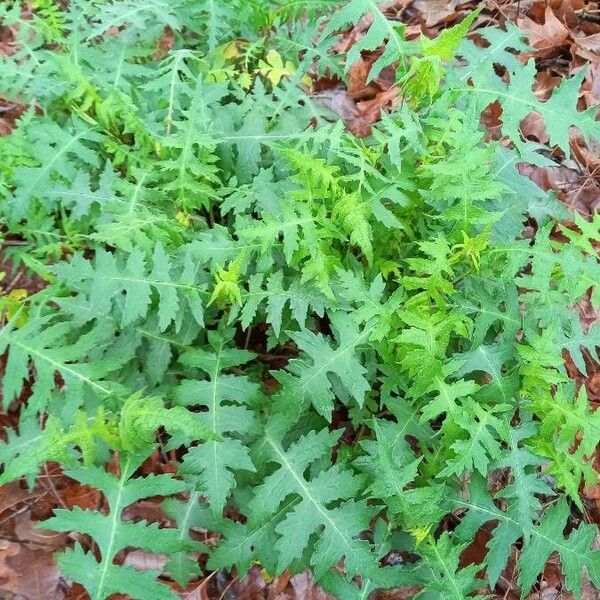
Plant Overview
Often called the Tennessee Leafcup, this rare woodland gem looks like a giant, lush maple tree that decided to stay a perennial herb. While it is a "hidden treasure" in the wild, often found clinging to limestone bluffs, its dramatic foliage and delicate white blooms make it a sought-after specimen for shaded native gardens. It is a plant of quiet elegance that brings a prehistoric, architectural feel to any landscape.
🔍 How to Identify
- 🍃 The Foliage: Its most striking feature is its massive, deeply lobed, bright green leaves that look remarkably like giant sycamore or maple leaves.
- 🌼 The Flowers: In late summer, it produces airy clusters of small white blossoms with yellow centers. Unlike a standard daisy, the white "petals" (ray florets) are often few and spaced out, giving them a delicate, star-like appearance.
- 📏 Growth Habit: This is a tall, upright plant that can reach 3 to 6 feet in height, creating a bold vertical statement in a shaded border.
🏡 In Your Garden
- 💧 The "Goldilocks" Moisture: Tennessee Leafcup loves "moist feet" but hates being drowned. It thrives in damp, shaded ravines and will wilt dramatically if left in the scorching afternoon sun without enough water.
- 🪨 Soil Nuance: It is a "calciphile," meaning it has a specific craving for limestone-rich or alkaline soils. If your garden is naturally rocky or has high pH soil where other plants struggle, this species will likely feel right at home.
⚠️ Safety & Toxicity
- 🐾 Pet Safety: Generally considered non-toxic to cats and dogs. It lacks the irritating saps or thorns found in many other large-leafed forest plants.
- 👶 Human Safety: There are no known toxicities for humans, though it is purely ornamental. It is not an edible plant, so it's best to keep it on the "look but don't cook" list.
✨ Fun Fact
🎶 The genus name Polymnia is named after Polyhymnia, the Greek Muse of sacred poetry and many songs. It’s a fittingly poetic name for a plant that seems to "sing" when its large leaves rustle in the quiet shadows of an old-growth forest.

Detailed Care Instructions
To water this plant, it is best to use a watering can or hose with a gentle flow setting. Water the soil around the base of the plant, making sure to evenly distribute the water around the roots. Avoid getting water on the leaves or flowers, as this can lead to disease or damage. Check the soil moisture level regularly by sticking your finger about an inch into the soil. If it feels dry, water the plant. However, be careful not to overwater, as this can lead to root rot. It is best to water deeply but infrequently to encourage healthy root growth.
The ideal soil for this plant should be well-draining, with a pH range of 6 to 7. It should be rich in organic matter and nutrients to promote healthy growth. The soil should not be too compacted or heavy, as this can impede root development and lead to waterlogging. A mix of compost, perlite, and loamy soil would provide the perfect balance of nutrients, aeration, and drainage for this plant. It should also be kept moist, but not overly wet, to prevent root rot and fungal growth. Adding a layer of mulch around the base of the plant can help to retain soil moisture and regulate temperature fluctuations.







