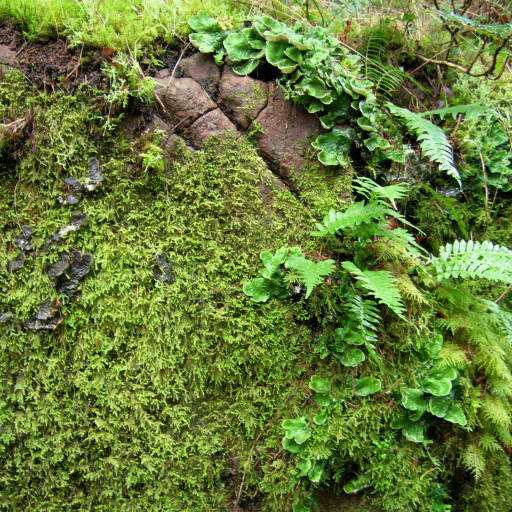
Plant Overview
Known as the Licorice Fern, this delicate-looking plant is a hidden treasure of the mossy forests of the Pacific Northwest. It earned its name from its sweet, anise-flavored roots that have been prized by coastal tribes for centuries as both a treat and a remedy. Unlike many plants that go dormant in the cold, this resilient fern thrives in the cool, rainy winter months, often draping itself over tree branches like a lush green blanket.
🔍 How to Identify
- 🌿 Frond Structure: The leaves are "once-pinnate," meaning the leaflets are attached directly to the central stem in a simple, ladder-like pattern with pointed tips and slightly toothed edges.
- 🟠 The Spore Dots: On the underside of mature fronds, you’ll find two rows of bright orange or reddish-brown circular dots called sori. These lack a protective covering, making them look like tiny, fuzzy buttons.
- 🌱 Creeping Rhizomes: It spreads via thick, scaly stems (rhizomes) that crawl across surfaces. If you gently scrape the surface of these roots, they release a distinct, sugary scent of licorice.
🏡 In Your Garden
- 💧 Winter Interest: The Licorice Fern is "winter-green." It wakes up with the autumn rains and remains vibrant throughout the darkest months, though it may go dormant and turn brown during hot, dry summers to protect itself.
- 🌳 Epiphytic Habits: In the wild, it loves to grow on the mossy bark of Bigleaf Maples or damp rocks. In a home garden, it thrives on mossy logs, rock walls, or in very well-draining, organic-rich soil. It hates "wet feet" (stagnant water) and prefers the moisture to come from high humidity.
⚠️ Safety & Toxicity
- 🐾 Pet Safety: This fern is generally considered non-toxic to cats and dogs, making it a safe choice for a "pet-friendly" shaded garden or terrarium.
- 👅 Human Caution: While the rhizome is naturally sweet and was historically chewed like gum, never consume wild plants unless you are 100% certain of the identification and the area is free of pollutants.
✨ Fun Fact
Indigenous groups, such as the Coast Salish, used the sweet rhizomes as a natural sweetener and a medicinal remedy for coughs and sore throats—essentially acting as nature's original cough drop!

Detailed Care Instructions
To grow Polypodium glycyrrhiza, also known as Licorice Fern, you can follow these steps:
- Choose the right location: Licorice Ferns prefer partial shade to full shade, so find a spot that provides shelter from direct sunlight. They also thrive in moist areas, so consider planting them near a water source or in areas with higher humidity.
- Prepare the soil: The soil should be well-draining and rich in organic matter. Add compost or well-rotted manure to the soil to improve its fertility. Licorice Ferns are adaptable to different soil types but prefer slightly acidic to neutral soil.
- Planting: Dig a hole that is slightly larger than the root ball of the fern. Place the plant in the hole, ensuring that the crown is level with the soil surface. Gently backfill the hole with soil and pat it down to remove any air pockets.
- Watering: Licorice Ferns require consistent moisture, so water the plant regularly to keep the soil moist but not waterlogged. It is better to water deeply and infrequently rather than shallowly and often.
- Mulching: Apply a layer of organic mulch around the base of the plant to help retain moisture and suppress weed growth. This will also provide some insulation and protection during extreme temperatures.
- Care and maintenance: Remove any dead or damaged fronds as they appear to encourage fresh growth. Licorice Ferns are naturally clumping plants, so if desired, you can divide the plant every few years to propagate new plants.
- Protection from harsh conditions: In areas with cold winters, protect the fern from frost by covering it with a layer of mulch or moving potted plants indoors. They are hardy to about USDA zone 7 but may need additional winter protection in colder zones.
- Considerations for indoor growth: Licorice Fern can also be grown indoors in containers. Ensure the pot has good drainage and use a well-draining potting mix. Place the plant near a window with filtered or indirect light, and maintain humidity by misting the fronds regularly.
By following these guidelines, you should be able to successfully grow Polypodium glycyrrhiza, or Licorice Fern, in your garden or as a houseplant.

Place in a window with dappled sun or a spot in the middle of a room. Or directly in a window facing west or east.

To water this plant, wait until the top layer of soil has dried out before watering it. Try to avoid getting water on the leaves and instead water at the base of the plant. Use room temperature water and make sure to only water enough to moisten the soil without causing it to become waterlogged. Additionally, check the drainage of the pot, as the plant doesn't enjoy sitting in water. It is important to create a consistent watering schedule, as this plant thrives on consistency.
To fertilize this plant, use a balanced liquid fertilizer during the growing season. Dilute the fertilizer to half-strength and apply it to the soil every two weeks. Avoid fertilizing during the winter months when the plant goes dormant. Additionally, make sure to water the plant thoroughly before and after fertilizing to prevent root damage.
The soil suitable for Polypodium Glycyrrhiza plant should be well-draining, slightly acidic, and rich in organic matter. It should have a pH range between 5.5 to 6.5. The ideal soil composition should consist of a mixture of perlite, peat moss, and coarse sand. The soil should also have good water retention capacity, but not be soggy as this can lead to root rot. The plant prefers slightly moist soil, so it may be necessary to water it more frequently during the summer months. Additionally, fertilization should be done sparingly as excessive nutrients can harm the plant. Overall, the soil should be nutrient-rich, well-draining and provide adequate aeration to ensure the healthy growth of the plant.
To propagate this plant, first prepare a suitable propagation medium such as a combination of perlite and peat moss. Take a healthy and mature leaf from the parent plant and cut it into several small sections, making sure that each section has a part of the stem attached.
Dip the cut ends of the leaf sections in a rooting hormone powder to stimulate root growth. Gently press the sections into the prepared propagation medium, making sure they are fully covered.
Place the container in a warm and bright location with indirect sunlight, and mist the leaf sections daily to maintain humidity. After about 1-2 months, the leaf sections should have developed roots and can be transplanted into individual pots with potting soil.
Provide the newly propagated plants with the same care and conditions as the parent plant, such as regular watering and bright, indirect sunlight. With proper care, the new plants should grow and thrive.
Common pests of the licorice fern include Spider mites, aphids. Make a habit of checking your licorice fern frequently for pests so that any infestations can be caught and managed early.








