Plant Overview
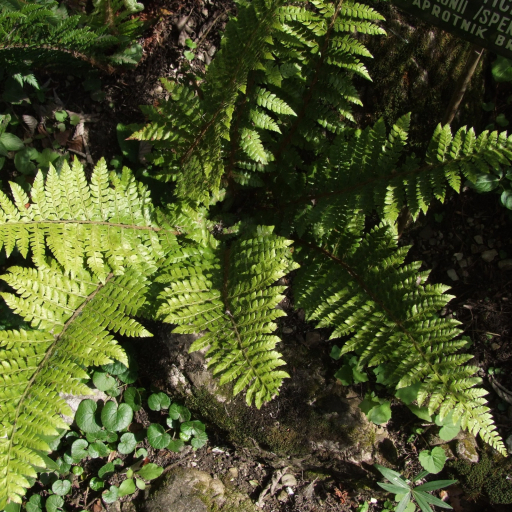
Known as Braun's Holly Fern, this plant is a lush, architectural beauty that brings a touch of the prehistoric era to shady garden corners. Its glossy, deep green fronds form a perfect shuttlecock shape, earning it a reputation as one of the most elegant ferns for woodland landscapes. Often called the "Gilded Fern" due to the shimmering scales on its stems, it thrives in cool, moist environments where other plants might struggle to find their footing.
🔍 How to Identify
- 🌿 Frond Texture: The fronds are stiff, leathery, and dark green, featuring a double-cut (bipinnate) pattern that looks like intricate, heavy lace.
- ✨ Golden Scales: The central stems (rachis) and the base of the plant are densely covered in silvery-brown or copper-colored scales, giving the stems a fuzzy, "gilded" appearance.
- 🏺 Growth Habit: It grows in a very distinct upright, vase-shaped clump, with fronds radiating outward from a central crown like a natural green sculpture.
🏡 In Your Garden
- 💧 Moisture Consistency: Unlike some ferns that can handle a brief dry spell, Braun's Holly Fern demands consistent moisture and high humidity; it will "pout" and brown at the leaf tips if the soil dries out completely.
- ⛰️ Soil Preferences: This fern hates "wet feet" but loves dampness; it performs best in rich, acidic soil mimics the forest floor, so adding plenty of leaf mold or compost is the key to a thriving plant.
⚠️ Safety & Toxicity
- 🐾 Pet Safety: Braun's Holly Fern is generally considered non-toxic to cats and dogs, making it a "worry-free" choice for households with curious furry friends.
- 🤲 Skin Sensitivity: While not poisonous, the dense scales on the stems can be slightly abrasive to very sensitive skin; it is best to wear gloves when dividing the plant or clearing away old fronds.
✨ Fun Fact
The species name braunii honors the 19th-century German botanist Alexander Braun, but the plant itself is often called a "living fossil" because its lineage dates back millions of years, remaining largely unchanged since the time of the dinosaurs.

Detailed Care Instructions
To grow a Polystichum Braunii plant, also known as Braun's holly fern or Braun's Spleenwort, you will need to follow these steps:
- Select a suitable location: Polystichum Braunii thrives in partial to full shade, so choose a spot in your garden that receives limited direct sunlight.
- Prepare the soil: The plant prefers moist, well-draining soil rich in organic matter. Consider amending the soil with compost or peat moss to improve its texture and fertility.
- Dig a hole: Dig a hole slightly larger than the size of the plant's root ball. Make sure the hole is deep enough to accommodate the entire root system.
- Plant the fern: Gently remove the plant from its nursery container and place it in the hole. Ensure that the crown (where the roots meet the stem) is level with the soil surface. Backfill the hole with soil and firm it gently around the plant.
- Water thoroughly: After planting, water the fern deeply to settle the soil and ensure good root-to-soil contact. Provide enough water to keep the soil consistently moist but not waterlogged.
- Mulch the area: Apply a layer of organic mulch, such as shredded leaves or bark chips, around the base of the plant. Mulching helps conserve moisture, suppresses weed growth, and keeps the soil temperature stable.
- Maintain moisture levels: Regularly check the soil moisture and water the plant as needed. Avoid letting the soil dry out completely, but also ensure that it is not excessively wet.
- Provide adequate humidity: Polystichum Braunii generally prefers higher humidity levels, so consider placing a small humidifier nearby or grouping the fern with other moisture-loving plants.
- Monitor for pests and diseases: Keep an eye out for common fern pests like aphids or scale insects. If noticed, treat them with suitable organic or chemical pest control measures.
- Trim and maintain: Trim any damaged or yellowing fronds occasionally to keep the plant looking fresh and neat. It's essential not to remove all the fronds, as they contribute to the fern's overall health.
With proper care and attention, your Polystichum Braunii should grow and thrive, providing you with beautiful green fronds and an attractive addition to your garden or indoor space.

Place in a window with dappled sun or a spot in the middle of a room. Or directly in a window facing west or east.

To water this plant, you should first check the soil moisture level. You can do this by sticking your finger into the soil up to the second knuckle. If the soil feels dry, it's time to water. Use room temperature water and water the soil around the plant, avoid getting water on the leaves. Make sure to water until you see water coming out of the bottom drainage holes. Allow the soil to drain and never let the pot sit in standing water. Water the plant once a week, but adjust the frequency according to the environmental conditions, such as temperature and humidity.
To fertilize the Polystichum Braunii plant, you should apply a balanced fertilizer during the growing season. Additionally, it is recommended to mix in some organic matter such as compost or well-rotted manure into the soil to provide additional nutrients. Avoid over-fertilizing as it can lead to burnt roots and foliage damage. Water the plant well after fertilizing.
The ideal soil for the plant should be well-draining and rich in nutrients. A mix of sandy soil, peat moss, and perlite or vermiculite would work well. It is best to avoid heavy clay soils that retain too much moisture as they can easily lead to root rot. The plant prefers a slightly acidic soil with a pH range of 5.5 to 6.5. It is recommended to amend the soil with organic matter such as compost before planting to improve soil fertility and structure. Additionally, the plant prefers to be grown in partial to full shade and requires regular watering to keep the soil moist but not waterlogged.
Polystichum Braunii plant can be propagated through a process called spore germination. Spores are tiny structures produced by the plant and can be collected from the underside of mature fronds. To collect the spores, a mature frond can be cut and placed upside down on a piece of paper. By tapping the frond, the spores will fall onto the paper and can be collected.
The collected spores can then be sown on a suitable growing medium. A mix of peat moss and sand or perlite can be used as the growing medium. The mixture should be moistened thoroughly before sowing the spores.
The spores can be sown in a shallow container with a lid to maintain humidity. The container should be placed in a warm, bright location but not exposed to direct sunlight. The lid should be removed periodically to allow for airflow and prevent mold growth.
The spores will take several weeks to germinate and grow into small plantlets. Once the plantlets have grown large enough, they can be transplanted into their own pots and grown until they are large enough to be planted in the garden.








