Plant Overview
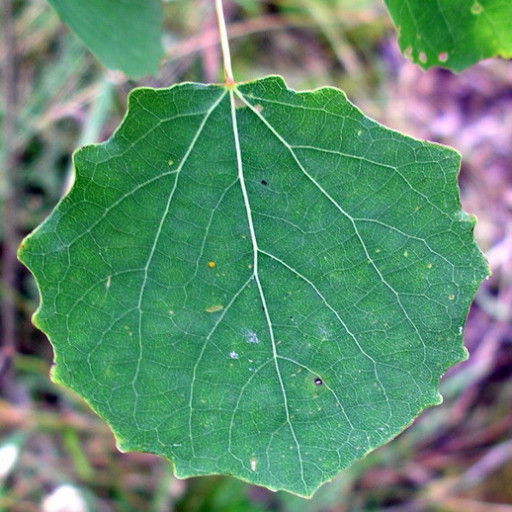
Known as the "Whispering Trees," members of the Populus genus—including Poplars, Aspens, and Cottonwoods—are the restless spirits of the plant world. They are famous for their shimmering leaves that flutter in even the slightest breeze, creating a sound like soft rainfall. These fast-growing giants are often the first to reclaim open land, acting as nature’s ambitious pioneers.
🔍 How to Identify
- 🍃 Trembling Leaves: Most species have triangular or heart-shaped leaves with long, flattened stems (petioles). This unique shape is what causes the leaves to "quake" or "shimmer" in the wind.
- 🪵 Smooth to Furrowed Bark: Young trees often have strikingly smooth, pale-grey or white bark, which becomes deeply fissured and dark as the tree reaches maturity.
- ☁️ Cottony Seeds: In late spring, female trees produce fluffy, white, hair-covered seeds that drift through the air like summer snowflakes, often blanketing the ground.
🏡 In Your Garden
- 💧 Thirsty Roots: These trees are water-seekers with incredibly aggressive, wide-spreading root systems. They should never be planted near sewer lines, foundations, or septic tanks, as they will actively "hunt" for pipes.
- ☀️ Sun-Worshippers: They are shade-intolerant and require full sun to thrive. Because they grow so quickly, they are excellent for creating fast privacy screens, though they are often shorter-lived than hardwoods like Oaks.
⚠️ Safety & Toxicity
- 🟢 Generally Safe: Populus species are not considered toxic to humans or most common household pets.
- 🤧 Allergy Alert: While not poisonous, the "cotton" they release can be a major nuisance, and the pollen from male trees is a common trigger for hay fever sufferers in the spring.
- 💊 Aspirin Connection: The bark contains salicin (similar to aspirin). While not dangerous in small amounts, pets should be discouraged from chewing excessively on the bark to avoid stomach upset.
✨ Fun Fact
The "Pando" colony in Utah is a grove of Quaking Aspens (Populus tremuloides) that is actually a single living organism. Connected by one massive underground root system, it is estimated to be 80,000 years old and weighs over 6,000 tons, making it one of the oldest and heaviest living things on Earth!

Detailed Care Instructions
To grow Populus (poplar) plants, you can follow these steps:
- Choose a suitable location: Populus plants prefer full sun and well-drained soil. Ensure the location has enough space to accommodate the mature size of the tree.
- Select the right variety: There are various species and hybrids of poplar, so choose one that suits your climate and intended use. Common species include Populus deltoides (Eastern cottonwood), Populus nigra (Black poplar), and Populus tremula (European aspen).
- Obtain young saplings: Purchase young poplar saplings from a reputable nursery or garden center. Alternatively, you can start with poplar cuttings, but these require specific techniques.
- Prepare the soil: Ensure the soil is well-drained by adding organic matter such as compost. Poplar trees can tolerate a wide range of soil types but do best in moist, fertile soil.
- Dig a planting hole: Dig a hole that is at least twice the diameter and slightly deeper than the root ball of the poplar sapling.
- Plant the sapling: Place the sapling in the hole, ensuring the top of the root ball is level with the surrounding soil. Fill the hole with soil, firming it gently around the roots.
- Water thoroughly: After planting, water the sapling thoroughly to help settle the soil and eliminate any air pockets. Water regularly until the tree establishes itself.
- Mulch around the base: Apply a layer of organic mulch, such as wood chips or bark, around the base of the sapling. This will help retain moisture, suppress weeds, and protect the roots.
- Prune if necessary: Poplars generally require minimal pruning. However, you may want to remove any damaged or crossing branches to promote a healthy structure.
- Maintain moisture and provide care: Water the poplar tree regularly, especially during dry periods. Fertilize annually in spring with a balanced, slow-release fertilizer. Monitor for pests and diseases and take appropriate action if necessary.
Remember, poplar trees can grow quite large, so ensure you have enough space for them to reach their full size. It's also a good idea to check with local authorities or homeowner associations for any regulations or restrictions regarding planting poplar trees in your area.

Place in a bright room that is sun drenched almost all day. Or directly in a south-facing window.

To water this plant, you should ensure that the soil is consistently moist but not waterlogged. The frequency and amount of water required may vary depending on the specific environment and growth stage of the plant. It is important to avoid letting the soil dry out completely, as well as overwatering, as both can negatively affect the health of the plant. You can use a watering can or hose to water the plant, and it can also be beneficial to mulch around the base of the plant to help retain moisture. Regularly checking the soil moisture level and adjusting the watering schedule accordingly can help ensure optimal growth and health for this plant.
- Begin fertilizing the Populus plant in early spring, preferably before new growth emerges.
- Use a balanced granular fertilizer with an N-P-K ratio of 10-10-10 or similar, which means it contains equal proportions of nitrogen, phosphorus, and potassium.
- Apply the fertilizer evenly around the base of the plant, avoiding direct contact with the stem.
- Calculate the amount of fertilizer needed based on the plant's size and the manufacturer's instructions. Usually, 1 pound of fertilizer per inch of trunk diameter is a good guideline.
- Lightly scratch the fertilizer into the soil surface and water thoroughly to ensure proper absorption.
- Repeat the fertilizer application every 4-6 weeks during the active growing season, typically from spring to early fall.
- Monitor the plant for any signs of over-fertilization, such as leaf burn or excessive growth. If these symptoms occur, reduce the frequency or amount of fertilizer used.
- Discontinue fertilizing the Populus plant in late summer or early fall, allowing it to enter the dormant phase.
- Resume fertilization in the following spring, following the same instructions as before.
Remember, it's always best to consult specific guidelines for fertilizing the particular species of Populus plant you have, as there may be variations in their nutrient requirements.
Populus species thrive in soil that is rich in organic matter and well-draining. A loamy soil with a pH of 6.0 to 8.0 is preferred. The soil should be able to hold moisture but without becoming waterlogged, as excess moisture can lead to root rot. Ideally, the soil should be consistently moist but not wet. It is recommended to add well-rotted compost or aged manure to the soil before planting to improve nutrient content and soil structure. Additionally, a layer of mulch can help to conserve soil moisture and suppress weed growth.
Populus is a deciduous plant that belongs to the Salicaceae family. It is widely propagated through various methods such as cuttings, grafting, and tissue culture. Here is a detailed description of how to propagate Populus plants:
- Cuttings: This is the most common method of propagating Populus plants. Choose a healthy branch that is around 6-8 inches long. Make a clean, angled cut just below a node or bud. Remove any leaves from the lower half of the cutting. Dip the cut end in a rooting hormone powder to encourage root development and reduce the chance of rot. Plant the cutting in a well-draining, sterile propagation medium such as sand or perlite. Keep the cutting consistently moist and provide it with indirect light. Roots should develop within a couple of weeks, and once they do, you can transfer the cutting into a larger pot or plant it directly into the ground.
- Grafting: Grafting is another effective method to propagate Populus plants. This process involves joining a stem from the desired Populus variety (called the scion) with a compatible rootstock of another Populus variety. Start by collecting scion wood from the desirable Populus plant during the dormant season. It should be around 3-4 inches long with multiple buds. Prepare the rootstock by making a diagonal cut just above the ground level. Make a similar diagonal cut on the scion and join the two cuts together, ensuring cambium layers are aligned. Secure the graft with grafting tape or rubber bands. Place the grafted plant under controlled conditions such as a greenhouse until the graft union is established and growth resumes.
- Tissue Culture: Tissue culture is a modern propagation technique used for large-scale production of Populus plants. It involves using small plant tissue samples, such as leaf segments or shoot tips, and culturing them in a laboratory. The samples are sterilized to eliminate any contaminants and placed in a sterile growth medium that provides the necessary nutrients and hormones for growth. Over time, the tissue will multiply and form small plantlets that can be transferred to a greenhouse for further development. Tissue culture ensures the production of disease-free and genetically identical clones of the parent plant.
Remember, when propagating Populus plants, it is essential to provide proper care and attention to ensure successful establishment and growth. This includes providing adequate water, light, and nutrient levels, as well as protecting the new plants from extreme weather conditions and pests.







