Plant Overview
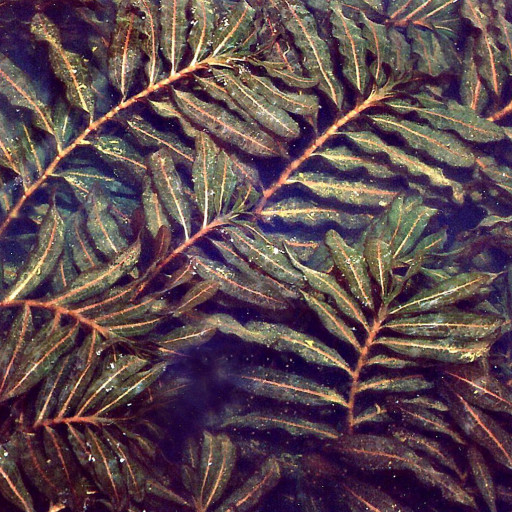
Commonly known as Curly-leaf Pondweed or "Crispy Pondweed," this aquatic beauty looks like underwater lasagna swaying in the current. While it adds a lush, ruffled texture to ponds and aquariums, it is a world-traveling survivor that often starts growing while other plants are still dormant under the ice. Its unique crinkled appearance makes it one of the most easily recognized submerged plants in still or slow-moving waters.
🔍 How to Identify
- 🌿 Ruffled Leaves: The leaves are distinctly wavy and crinkled, resembling cooked lasagna noodles with finely serrated (saw-toothed) edges.
- 🎨 Translucent Coloring: The foliage is typically olive-green to reddish-brown and is translucent, often appearing shiny or "plastic-like" when pulled from the water.
- 📐 Growth Habit: It grows entirely submerged, with stiff stems that can reach several feet in length, branching out heavily as they approach the water's surface.
🏡 In Your Garden & Pond
- 💧 The Early Riser: Unlike most aquatic plants, this species thrives in cool water. It begins its growth cycle in late autumn and can continue growing under ice, giving it a massive "head start" over other species in the spring.
- 🌱 Summer Die-back: Interestingly, this plant often dies back in mid-summer once the water gets too warm. If you have a small pond, be mindful that large amounts of decomposing pondweed can temporarily lower oxygen levels for your fish.
- 🪵 Substrate & Spread: It anchors itself firmly in the mud but spreads aggressively via "turions"—hardened, prickly buds that break off and sink to the bottom to sprout new plants the following season.
⚠️ Safety & Toxicity
- 🟢 Non-Toxic: Potamogeton crispus is generally considered non-toxic to humans, dogs, and cats. It is even occasionally used as a nesting site for fish and a food source for waterfowl.
- 🛶 Physical Hazard: In many regions, it is classified as an invasive species. Its dense, tangled mats can become a hazard for swimmers or get caught in boat propellers, so always check local regulations before introducing it to a private pond.
✨ Fun Fact
This plant produces specialized winter buds called turions that look like tiny, sharp pinecones. These "survival pods" are so hardy they can stay buried in the mud for years, waiting for the perfect temperature to "wake up" and start a new colony!

Detailed Care Instructions
To grow Potamogeton Crispus (also known as curly-leaf pondweed), you can follow these steps:
- Obtain the plant: You can either purchase Potamogeton Crispus seeds or acquire a small plant from a local nursery or aquatic plant supplier.
- Choose a suitable location: Potamogeton Crispus thrives in aquatic environments, so choose a location with access to a water source such as a pond, lake, or aquarium. Ensure that the water is clean and free from pollutants.
- Prepare the planting area: Clear any existing vegetation or debris from the planting area. You can either plant Potamogeton Crispus directly in the water if the depth is suitable or use a container or pot if growing the plant indoors.
- Plant the Potamogeton Crispus: If planting in water, gently place the plant's roots into the substrate, ensuring they are fully submerged. If using a container, fill it with water and then plant the Potamogeton Crispus, making sure its roots are well covered with substrate.
- Provide adequate lighting: Potamogeton Crispus requires moderate to high light levels to grow well. If growing indoors, ensure that the plant receives sufficient artificial light from fluorescent or LED bulbs. If growing outdoors, position the plant in an area with direct or partial sunlight.
- Maintain optimal water conditions: Potamogeton Crispus prefers slightly alkaline water with a pH range of 6.5 to 8.5. It also thrives in cooler water temperatures between 50°F (10°C) and 75°F (24°C). Regularly monitor and maintain these conditions to ensure the plant's health and growth.
- Fertilize appropriately: Potamogeton Crispus benefits from occasional fertilization, especially if planted in a container or pot. Use a slow-release aquatic fertilizer or a specific plant food formulated for aquatic plants. Follow the recommended application rates and schedule for best results.
- Monitor and control algae growth: Algae can compete with Potamogeton Crispus for nutrients and sunlight. Keep a watchful eye for any algae growth and employ measures to control it, such as maintaining good water quality, reducing nutrient levels, using an algaecide if necessary, or introducing algae-eating fish or snails.
- Monitor and prune as needed: Regularly inspect the plant for any signs of diseases, pests, or overgrowth. Remove any yellow or damaged leaves, and trim back excessive growth to prevent overcrowding.
By following these steps and providing the necessary care, you should be able to successfully grow and maintain Potamogeton Crispus.

Place in a bright room that is sun drenched almost all day. Or directly in a south-facing window.
To water this plant, you should first ensure that it is planted in a container or area with adequate drainage to prevent waterlogging. Use clean, tepid water to avoid shocking the roots. Water deeply enough to saturate the soil, but allow the top inch of the soil to dry out slightly before watering again. Avoid getting water on the leaves, as this can promote disease. If the plant is in an area with high humidity, it may require less frequent watering. Monitor the soil and adjust watering as needed based on the plant's moisture needs.
To fertilize this plant, use a balanced, slow-release fertilizer with equal amounts of nitrogen, phosphorus, and potassium. Apply the fertilizer at a rate of one tablespoon per gallon of water, and water the plant thoroughly after fertilization. Repeat this process every four weeks during the growing season. Avoid over-fertilizing, as this can lead to excessive growth and reduced plant health.
Potamogeton Crispus plant prefers a fine substrate that is rich in nutrients and organic content. The soil should be slightly alkaline, with a pH level between 7.5 and 8.5. Additionally, the plant requires a substrate that is well-draining, yet able to retain moisture, as it is an aquatic plant.
The ideal soil for Potamogeton Crispus plant should contain a mixture of loam, sand, and clay, along with organic matter such as peat moss or compost. The substrate should be able to hold together well when wet, but also allow water to flow through easily.
It is important to avoid using heavy, clay-like soils for this plant, as they can become waterlogged and cause root rot. Similarly, sandy soils may not hold enough moisture for the plant to thrive.
Overall, the best soil for Potamogeton Crispus plant is a high-quality aquatic substrate that is enriched with nutrients and organic matter, and has a pH level that is slightly alkaline.
Propagation of this aquatic plant can be done through vegetative means. Start by selecting healthy and mature stems for propagation. Cut the stems into small sections, approximately 2-3 inches in length, making sure each section has a few leaves and nodes. Place the sections into a container filled with nutrient-rich water and ensure that they receive adequate sunlight. After a few weeks, small roots will start to develop, indicating that the plant is ready for planting. Transplant the rooted sections into a pond or aquarium and ensure they receive the required nutrients and lighting for optimal growth.








