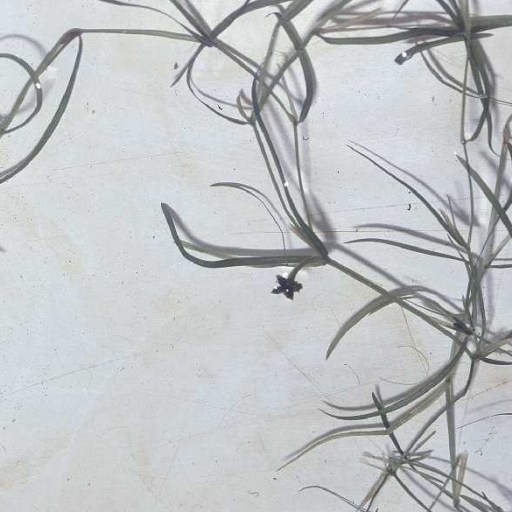
Plant Overview
Known as the Leafy Pondweed, Potamogeton foliosus is the humble architect of the freshwater world. Often mistaken for simple underwater grass, this native North American plant creates intricate "submerged meadows" that serve as a bustling nursery for young fish and aquatic insects. Its presence is often a sign of a vibrant, functioning pond ecosystem where life thrives beneath the surface.
🔍 How to Identify
- 🌿 Slender Foliage: The leaves are incredibly thin and ribbon-like, looking like strands of bright green grass waving gently in the current.
- 🧬 Branched Stems: Unlike some singular water weeds, this plant features many delicate, compressed branches that create a dense, bushy appearance.
- 🌰 Tiny Nutlets: During the growing season, look for small, bead-like fruits (nutlets) with a distinct wavy "keel" clustered on short stalks just below the water's surface.
🏡 In Your Garden
- 💧 Oxygen & Filtration: This plant is a powerhouse at oxygenating water and absorbing excess nitrogen. It acts as a natural filter, helping to keep your pond clear and discouraging the growth of unsightly algae.
- 🚧 The "Space" Issue: Because it lacks floating leaves and grows entirely submerged, it can spread rapidly across the pond floor. In smaller backyard water features, it may require occasional thinning to ensure it doesn't crowd out other ornamental species.
- 🐟 Habitat Creator: If you keep Koi or goldfish, they will love the "forest" this plant provides for hiding and foraging, though goldfish may occasionally nibble on the tender new growth.
⚠️ Safety & Toxicity
- ✅ Safe Status: Potamogeton foliosus is non-toxic to humans, dogs, and cats. It is a natural, safe component of freshwater environments.
- 🌾 Skin Sensitivity: While not poisonous, the stems can sometimes collect fine silt or microscopic organisms that might cause minor skin irritation for people with very sensitive skin after handling large amounts.
- 🛶 Physical Hazard: In wild settings, very dense mats can be a tangling hazard for boat propellers or swimmers, so always be mindful of "weedy" patches in deep water.
✨ Fun Fact
🦆 The Duck's Diner: This plant is a vital "pantry" for nature. While humans find it unremarkable, waterfowl like Mallards and Wood Ducks consider the seeds and calorie-dense foliage a gourmet meal during their long migrations!

Detailed Care Instructions
To grow Potamogeton foliosus, also known as leafy pondweed, follow these steps:
- Select a suitable location: Potamogeton foliosus is an aquatic plant that grows in shallow water, typically in ponds or lakes. Choose an area with adequate sunlight (at least 4-6 hours per day) and clean water.
- Prep the planting area: Remove any existing vegetation or debris from the planting area. Clear the ground to allow the plant to grow freely and receive sufficient nutrients.
- Acquire plant material: Obtain Potamogeton foliosus plants from a reputable nursery or aquatic plant supplier. Make sure the plants are healthy and disease-free.
- Planting process: Plant the Potamogeton foliosus plants into the aquatic soil or substrate in the desired area. Gently press them into the substrate, ensuring the root systems are covered but not buried too deeply. Space the plants approximately 1-2 feet apart to allow adequate growth and spread.
- Maintain water conditions: Potamogeton foliosus thrives in clean, still or slow-moving water. Ensure that the water quality is good and free from pollutants. Monitor the pH levels and temperature of the water, as the plant prefers a slightly alkaline to neutral pH (around 6.5-7.5) and a temperature range of 50-70°F (10-21°C).
- Provide adequate light: Potamogeton foliosus requires a sufficient amount of sunlight to grow and thrive. If the location doesn't receive enough sunlight, consider using artificial lighting to supplement it.
- Fertilization and maintenance: Apply a slow-release aquatic fertilizer to provide the necessary nutrients for growth. Follow the instructions on the fertilizer packaging for dosage and frequency. Regularly monitor and remove any algae or floating debris from the water to prevent competition for nutrients and light.
- Control invasive species: Keep an eye out for invasive plant species or weeds that might invade the planting area, as they can crowd out the Potamogeton foliosus. If you notice any invasive plants, promptly remove them to protect the growth of Potamogeton foliosus.
- Monitor plant health: Regularly observe the Potamogeton foliosus plants for any signs of stress, disease, or pests. If necessary, treat the plants with appropriate controls or consult with a local expert for advice.
- Allow for natural propagation: Potamogeton foliosus can propagate naturally through seed dispersal and vegetatively through rhizome growth. Encourage natural propagation by allowing the plants to flower and produce seeds. To promote vegetative growth, avoid excessive disturbance to the planting area.
By following these steps and providing the necessary care, you can successfully grow Potamogeton foliosus plants in your aquatic environment.

Place in a bright room that is sun drenched almost all day. Or directly in a south-facing window.

To water this plant, fill a watering can with room temperature water. Slowly pour the water over the soil until it is damp to the touch, but not saturated. Avoid getting water on the leaves as this can promote fungal growth. Water weekly, allowing the top inch of soil to dry out before watering again. If the plant is in a pot with drainage holes, ensure that excess water is able to drain out. If it is in a pond or aquatic setting, ensure the water level stays consistent and does not fluctuate drastically.
For best results, fertilize this aquatic plant with a balanced fertilizer containing nitrogen, phosphorus, and potassium. Apply the fertilizer to the water surrounding the plant, following the package instructions for dosage. It is important not to over-fertilize as this can lead to algae growth and harm the plant. It is also recommended to perform regular water changes to maintain the health of the environment around the plant.
For optimal growth of the plant, it is recommended to use a nutrient-rich soil substrate that has a neutral to slightly acidic pH level. It should be well-draining and maintain consistent moisture levels. In a natural habitat, Potamogeton Foliosus prefers to grow in nutrient-rich mud at the bottom of shallow water bodies. Therefore, it is best to simulate such conditions by using a nutrient-dense substrate that mimics mud. It is recommended to mix the substrate with some gravel to provide stability to the plant and prevent the soil from getting easily disturbed. Additionally, the soil should not contain any harmful chemicals or pollutants.
To propagate this particular plant, you can start by carefully taking a cutting from a mature specimen. Make sure to cut a stem that has a few healthy leaves and roots attached. Next, prepare a pot or container filled with nutrient-rich soil and place the cutting inside. Water the soil lightly, taking care not to overwater it. Then, place the pot in a well-lit area, preferably with some indirect sunlight. As the cutting begins to take root, you can gradually increase the amount of watering and light it receives. Over time, the plant should continue to grow and thrive in its new environment. With proper care and patience, you should be able to successfully propagate this plant and enjoy its unique beauty for years to come.








