Plant Overview
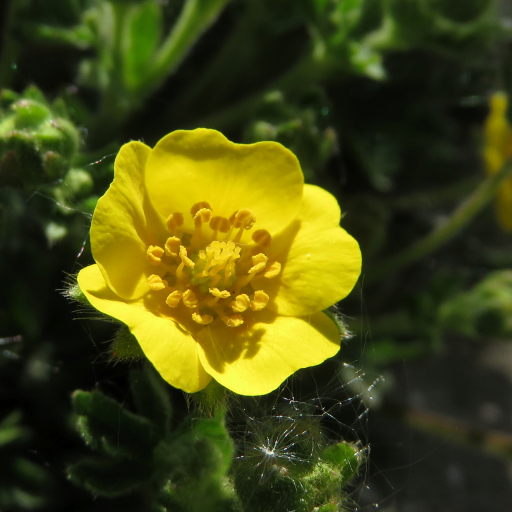
Known as the Alpine Cinquefoil, Potentilla crantzii is a resilient little gem of the high peaks and northern tundras. Often found clinging to rocky crevices or basking in sun-drenched mountain meadows, it is nicknamed "Alpine Gold" for its radiant yellow blooms. Historically, the Potentilla family was believed to hold great medicinal "potency"—hence the name—and this hardy species is a testament to nature's ability to thrive in the harshest conditions.
🔍 How to Identify
- 🌼 The Petals: Look for five bright yellow, heart-shaped petals. A key identifier is the warm orange or reddish spot at the base of each petal, which creates a glowing "ring" in the center of the flower.
- 🍃 The Foliage: The leaves are palmate, meaning they look like a tiny hand with five (occasionally seven) toothed leaflets. They are often covered in fine, silky hairs to help the plant retain moisture.
- 🌱 Growth Habit: This is a low-growing, clump-forming perennial. It rarely exceeds 20 cm in height, staying close to the ground to protect itself from biting mountain winds.
🏡 In Your Garden
- ⛰️ The Rock Garden Specialist: Because it naturally grows in scree and lime-rich soils, this plant is perfect for rockeries. It requires exceptional drainage; it "hates wet feet," and sitting in soggy soil during winter will quickly lead to root rot.
- ☀️ Sun Worshiper: To see those signature orange spots clearly, plant it in a spot that receives full sun. While it is incredibly cold-hardy, it prefers the bright, crisp light of an open position rather than the humidity of a crowded flower bed.
⚠️ Safety & Toxicity
- 🛡️ Safe Status: Potentilla crantzii is generally considered non-toxic to humans and common household pets like dogs and cats.
- 🐕 Digestive Note: While not poisonous, the high tannin content found in many Cinquefoils can cause mild stomach upset if a curious pet decides to graze on the foliage in large amounts.
✨ Fun Fact
The name Potentilla comes from the Latin word "potens," meaning powerful. In medieval folklore, Cinquefoils were often associated with protection; they were sometimes hung over doorways or woven into garlands to ward off bad luck and "evil humors."

Detailed Care Instructions
To successfully grow Potentilla Crantzii, also known as Shrubby cinquefoil or Alpine shrubby cinquefoil, follow these steps:
- Climate and sunlight: Potentilla Crantzii thrives in cool, temperate climates. It prefers full sun exposure, but it can tolerate light shade as well.
- Soil and drainage: The plant prefers well-draining soil that is slightly acid to neutral in pH. Amend the soil with organic matter like compost before planting to improve its drainage capability.
- Planting: Dig a hole slightly larger than the pot size of the plant. Place the plant in the hole, ensuring that the top of the root ball is level with the soil surface. Backfill the hole with soil and gently firm it around the roots.
- Watering: Initially, water the plant thoroughly to establish its roots. Afterward, water it regularly to keep the top layer of soil moist but not waterlogged. However, avoid overwatering as it can lead to root rot.
- Mulching: Apply a layer of organic mulch around the base of the plant. This helps in conserving moisture, suppressing weeds, and maintaining an even soil temperature.
- Fertilizing: Potentilla Crantzii does not require heavy fertilizer applications. However, during the growing season, you can add a slow-release, balanced fertilizer following the instructions on the label.
- Pruning: This plant benefits from regular pruning to maintain its shape and promote bushier growth. Once the flowering season ends, prune back the stems by one-third to encourage new growth.
- Propagation: Potentilla Crantzii can be propagated by dividing its roots in spring or taking semi-hardwood cuttings in early summer. Ensure that the new plants receive adequate water and care until they become established.
- Protection: In areas with harsh winters, consider adding a layer of mulch over the root zone during late fall to protect the plant from freezing temperatures.
- Pest and disease control: Potentilla Crantzii is generally resistant to most pests and diseases, but keep an eye out for common garden pests such as aphids or spider mites. Treat any infestation promptly using organic pest control methods.
By following these guidelines, you can successfully grow Potentilla Crantzii and enjoy its beautiful blooms.

Place in a bright room that is sun drenched almost all day. Or directly in a south-facing window.

To properly water Potentilla Crantzii plants, follow these guidelines:
1. Assess the soil moisture: Before watering, check if the top inch of soil feels dry to the touch. Potentilla Crantzii plants prefer slightly dry conditions, so ensure the soil is not overly saturated.
2. Choose the right time: Water Potentilla Crantzii plants during the early morning or late afternoon when the temperature is cooler. This allows for better absorption and reduces the risk of evaporation.
3. Use the right watering technique: Direct the water at the soil around the base of the plant rather than overhead, as this helps deliver moisture directly to the roots. Avoid wetting the foliage excessively, as it may lead to fungal diseases.
4. Water deeply but infrequently: Provide a deep watering session once every 7 to 10 days, depending on the weather and soil conditions. This encourages the plant's roots to grow deeper and become more drought-tolerant.
5. Consider the climate: Adjust the watering frequency based on the climate in your region. Potentilla Crantzii plants are generally resilient and adaptable to various conditions, but they may require more frequent watering during periods of extreme heat or drought.
6. Monitor the plant's response: Observe the plant for signs of water stress, such as wilting leaves or drooping stems. Adjust the watering schedule accordingly to ensure the plant remains healthy.
Remember, it is always best to closely monitor the specific needs of your Potentilla Crantzii plants, considering factors such as sunlight exposure, temperature, and soil drainage, in order to tailor your watering routine accordingly.
To fertilize the Potentilla Crantzii plant, follow these instructions:
- Choose a balanced fertilizer with an NPK ratio of around 10-10-10 or 20-20-20, which indicates the percentage of nitrogen (N), phosphorus (P), and potassium (K) in the fertilizer.
- Begin fertilizing in early spring, just as new growth starts to appear.
- Dissolve the fertilizer in water according to the package instructions. Use a half-strength dilution to avoid over-fertilization.
- Water the plant thoroughly before applying the fertilizer solution. This ensures that the nutrients can be absorbed effectively.
- Pour the diluted fertilizer solution around the base of the plant, avoiding direct contact with leaves and stems. This helps prevent burn or damage.
- Repeat the fertilization process every 4-6 weeks throughout the growing season, typically until late summer or early fall.
- If using a slow-release fertilizer, apply it according to the manufacturer's instructions, typically once every few months.
- Monitor the plant's response to fertilization. If it appears healthy and produces abundant flowers, continue with the current fertilization routine. If growth is stunted or leaf color is pale, consider increasing the frequency or strength of fertilization.
- Avoid fertilizing during the dormant period in winter when the plant's growth slows down or stops. Resume fertilization in spring when the plant shows signs of new growth.
Remember to always read and follow the specific instructions provided with the fertilizer product you choose for optimal results.
Potentilla Crantzii is best grown in a well-draining soil that is rich in organic matter. It prefers a slightly acidic to neutral pH range, ideally between 6.0 and 7.0. The soil should be loose and friable, allowing for proper root development and water penetration.
Additionally, the soil should have good moisture-retention capabilities without becoming waterlogged. Potentilla Crantzii prefers slightly moist soil conditions, so it is important to strike a balance between retaining enough moisture for the plant's needs and preventing waterlogging, which can lead to root rot.
To improve the soil texture and drainage, incorporating organic matter such as compost, well-rotted manure, or leaf mold can be beneficial. These additions not only provide nutrients but also enhance the soil's ability to hold moisture while remaining well-draining.
It is advisable to perform a soil test to assess the nutrient levels and adjust accordingly. Potentilla Crantzii generally prefers fertile soil, so adding a slow-release balanced fertilizer during planting or regularly feeding with a controlled-release fertilizer during the growing season can promote healthy growth and abundant flowering.
When planting Potentilla Crantzii, ensure that the soil is well-prepared by removing any weeds or rocks that may hinder root development. This will also help prevent competition for nutrients and water.
Regularly monitoring the moisture level of the soil and adjusting watering practices accordingly is crucial for the plant's health. Mulching around the base of the plant with organic materials can help retain moisture, suppress weeds, and provide insulation to protect the roots from temperature fluctuations.
In conclusion, Potentilla Crantzii thrives in well-draining, slightly acidic to neutral soil enriched with organic matter. Proper care and attention to soil conditions will contribute to the plant's overall health and successful growth.
Potentilla Crantzii, a perennial flowering plant, can be propagated through several methods such as division, seeds, and stem cuttings. Here's a detailed explanation of each propagation method without mentioning any common names:
- Division: To propagate Potentilla Crantzii through division, follow these steps:
a. Choose a mature plant with healthy roots.
b. Dig around the plant, carefully removing the root ball from the soil.
c. Gently separate the roots into multiple sections, ensuring each section has enough roots and shoots.
d. Plant each divided section in a separate pot or prepared garden bed filled with moist, well-draining soil.
e. Water the newly planted divisions regularly and provide them with suitable growing conditions.
- Seeds: Propagating Potentilla Crantzii from seeds can be done with the following steps:
a. Collect mature seeds from the plant when the seed pods are dry and begin to split open.
b. Fill a seed tray or small pots with a well-draining seed-starting mix.
c. Sow the seeds thinly on the surface of the soil and cover them lightly with a thin layer of soil.
d. Mist the soil with water to keep it moist but not waterlogged.
e. Place the tray or pots in a warm location with indirect sunlight.
f. Provide consistent moisture and ensure the soil doesn't dry out.
g. Once the seedlings develop a few sets of true leaves, transplant them into individual pots or garden beds.
- Stem cuttings: Here's how to propagate Potentilla Crantzii through stem cuttings:
a. Select a healthy, non-flowering stem from the parent plant. The stem should be approximately 4-6 inches long.
b. Using sterilized pruning shears, make a clean cut just below a node (the point where a leaf joins the stem).
c. Remove the lower leaves, leaving only a few at the top.
d. Dip the cut end of the stem into a rooting hormone powder (optional).
e. Fill a small pot or a seed tray with a well-draining rooting medium, such as a mix of perlite and peat moss.
f. Make holes in the soil using a pencil or your finger.
g. Insert the prepared stem into the hole, burying at least one node.
h. Mist the soil to provide moisture and create a humid environment.
i. Place the pot or tray in a warm, bright location with indirect sunlight.
j. Keep the soil moist but avoid overwatering.
k. After a few weeks, the cutting should develop roots. Check for root development by gently tugging the cutting.
l. Once roots are established, transplant the new plant into a larger pot or garden bed.
Remember, Potentilla Crantzii, like any other plant, needs proper care and suitable growing conditions for successful propagation and long-term growth.








