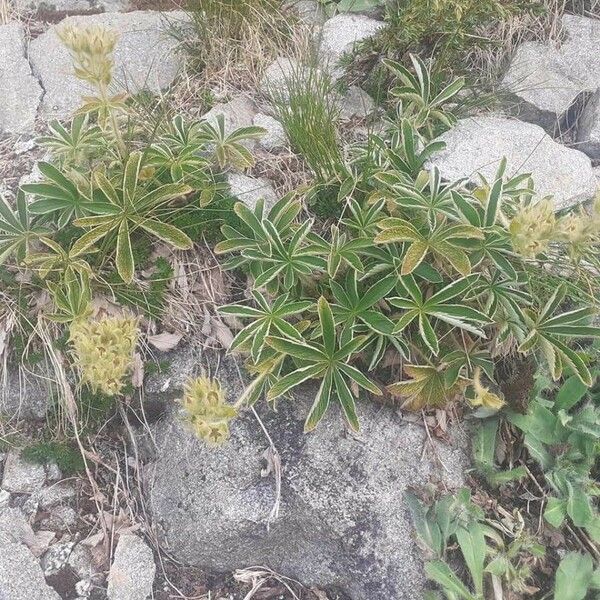
Plant Overview
Often referred to as Haynald's Cinquefoil, this rare alpine beauty is a true survivor of the high Balkan mountains. Named after the Hungarian botanist Cardinal Lajos Haynald, it is a hardy perennial that bridges the gap between a delicate wildflower and a rugged mountain shrub. In the wild, it clings to limestone crevices, bringing a splash of sunny yellow to some of the most unforgiving terrain in Europe.
🔍 How to Identify
- 🌼 The Flowers: It produces clusters of cheerful, five-petaled yellow flowers that bear a striking resemblance to strawberry blossoms, a nod to its membership in the Rose family (Rosaceae).
- 🌿 The Foliage: The leaves are typically trifoliate (divided into three) or pinnate, covered in soft, fine hairs that give the plant a slightly silvery-green or "frosted" appearance.
- 🪵 The Base: Unlike some delicate garden herbs, this plant develops a "caudex"—a thickened, slightly woody base—which helps it store energy for long, cold winters.
🏡 In Your Garden
- 🪨 The Alpine Aesthetic: Because it originates from rocky slopes, it is a perfect candidate for rock gardens or "crevice gardens." It thrives in gritty, well-draining soil where water never sits around the roots.
- ☀️ Sun Seeker: This plant is adapted to high-altitude radiation, meaning it craves bright, direct sunlight. If planted in too much shade, it may become "leggy" and refuse to bloom.
- 🏔️ Tough as Nails: Once established, it is remarkably drought-tolerant. It has evolved to survive on the moisture trapped between stones, making it a low-maintenance choice for dry climates.
⚠️ Safety & Toxicity
- ✅ Safe Status: Potentilla haynaldiana is generally considered non-toxic to humans, cats, and dogs.
- 🧤 Skin Sensitivity: While not poisonous, the fine hairs on the leaves and stems can occasionally cause mild mechanical irritation to sensitive skin. If you are doing heavy pruning or transplanting, wearing gloves is a good practice.
✨ Fun Fact
The genus name Potentilla comes from the Latin word "potens," meaning powerful. This refers to the ancient belief that plants in this family possessed potent medicinal properties, though today Haynald's Cinquefoil is mostly admired for its stubborn, mountainous beauty.

Detailed Care Instructions








