Plant Overview
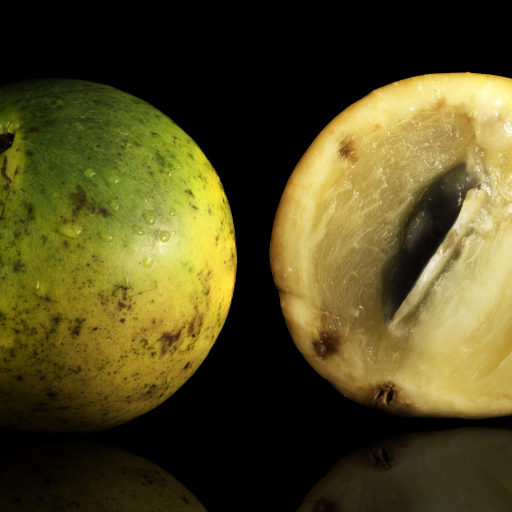
Known as the Abiu, the Pouteria caimito is often described as the "caramel custard" of the botanical world. Native to the lush Amazonian rainforest, this tropical evergreen produces a fruit so sweet and silky it feels more like a gourmet dessert than something picked from a branch. Its sun-bright yellow skin and glossy foliage make it a prized jewel for rare fruit collectors and tropical gardeners alike.
🔍 How to Identify
- 🍋 The Fruit: When ripe, the fruit is a brilliant, smooth-skinned sphere or oval that looks like a polished gold egg. Inside, the flesh is translucent or creamy white.
- 🍃 The Foliage: The leaves are long, glossy, and pointed (oblong-lanceolate), creating a dense, vibrant green canopy that stays lush throughout the year.
- 💧 The Sap: A defining characteristic of the Sapotaceae family is the sticky, white milky latex that secretes from the bark, stems, and even the skin of unripe fruits when punctured.
🏡 In Your Garden
- 🌞 Tropical Demands: The Abiu is a true child of the rainforest. It thrives in high humidity and rich, slightly acidic soil. It is very sensitive to frost; even a light chill can cause it to drop leaves, so it requires a warm, protected spot or a large greenhouse in cooler climates.
- 🌳 Growth Nuance: While it can grow quite large in the wild, garden specimens are often kept pruned to a manageable size. It prefers consistent moisture—it hates "drying out" but requires excellent drainage to prevent its sensitive roots from rotting.
⚠️ Safety & Toxicity
- ✅ Edible & Safe: The ripe translucent flesh is perfectly safe and highly nutritious for humans, packed with Vitamin C.
- 👄 Latex Caution: While not toxic, the skin and unripe fruit contain a very sticky latex. If you bite into the skin, the sap can literally glue your lips together for a few minutes! It is always best to slice the fruit in half and scoop the flesh out with a spoon to avoid the sticky rind.
- 🐾 Pet Note: There is no documented toxicity for cats or dogs, but the heavy latex in the stems and leaves could cause mild stomach upset if chewed.
✨ Fun Fact
In its native Brazil, the Abiu is so smooth and jelly-like that it is traditionally eaten chilled with a squeeze of lime juice, which cuts through the sugar and makes it taste exactly like a refreshing lemon-caramel flan.

Detailed Care Instructions
To grow a Pouteria caimito plant, also known as the abiu or yellow star apple, follow these steps:
- Climate and location: Ensure that you live in a tropical or subtropical climate as this plant thrives in warm temperatures. It is best grown outdoors or in a greenhouse. Select a location that receives full sun or partial shade.
- Soil requirements: The abiu plant prefers well-draining, fertile soil. Prepare the soil by mixing in organic matter like compost or aged manure to improve its fertility and drainage.
- Planting method: It is recommended to start growing Pouteria caimito plants from seeds. Collect fresh seeds from ripe, fallen fruits and soak them in water for 24 hours to remove the pulp. Plant the seeds about an inch deep in small pots filled with seed-starting mix or directly in the ground.
- Watering: Keep the soil evenly moist but not waterlogged. Water the plant regularly, especially during dry periods. However, avoid overwatering as this can cause root rot.
- Fertilization: Provide regular fertilization to your Pouteria caimito plant to promote healthy growth. Use a balanced, slow-release fertilizer according to the package instructions or use organic fertilizers like fish emulsion or seaweed extract.
- Pruning: Prune the plant regularly to maintain shape and promote air circulation. Remove any dead, diseased, or overcrowded branches.
- Pest and disease control: Watch out for pests like scale insects, mealybugs, and fruit flies. Use organic pest control methods or insecticidal soaps to manage them. Proper watering and good air circulation can help prevent fungal diseases.
- Harvesting: It takes about 3-4 years for the Pouteria caimito plant to start bearing fruits. Harvest the fruits when they turn yellow and slightly soft. They should come off easily from the tree when gently twisted.
By following these steps, you can successfully grow a Pouteria caimito plant and enjoy harvesting its delicious tropical fruits. Remember to be patient, as it may take several years for the plant to bear fruit.

Place in a bright room that is sun drenched almost all day. Or directly in a south-facing window.

Pouteria caimito is a tropical plant that requires regular watering but not excessive. Ideally, the plant should be watered when the top layer of the soil is dry to the touch. It is important to avoid overwatering as it can lead to root rot and other diseases.
When watering, it is recommended to use room temperature water that is free from chlorine and other chemicals. Rainwater or filtered water is ideal for the plant. The water should be poured directly onto the soil around the base of the plant, avoiding the leaves and stems. It is important not to let water sit in the saucer underneath the pot as this can also lead to root rot.
During the growing season, which is typically spring and summer, the plant may require more frequent watering. In the winter months, the plant may need less water as it enters a dormant period.
Overall, it is important to monitor the plant's soil moisture levels and adjust watering accordingly. With proper watering techniques, the Pouteria caimito plant can thrive and produce fruit.
- Choose a well-draining soil mix that is rich in nutrients.
- Use a balanced fertilizer with equal parts nitrogen, phosphorus, and potassium.
- Fertilize in the early spring before the growing season begins and again in late summer.
- Apply the fertilizer evenly around the base of the plant.
- Water thoroughly after fertilizing to help distribute the nutrients throughout the soil.
- Do not fertilize during the winter months when the plant is dormant.
- Watch for signs of over-fertilization such as burnt foliage or stunted growth.
The best soil to use with this plant is one that is well-draining and rich in nutrients. It should ideally have a pH level between 5.5 and 6.5. A mix of sand, peat moss, and perlite or vermiculite can provide the ideal texture and drainage. Fertilizing regularly with a balanced fertilizer can also help promote healthy growth. It is important to avoid overwatering, as this can lead to root rot, and to ensure adequate drainage in the planting container or area.
To propagate this plant, you can take a hardwood cutting from an established plant. This can be done by cutting a section of the stem with a pair of clean, sharp pruning shears. The cutting should be around 4-6 inches long and should have several healthy leaves.
Remove the leaves from the bottom half of the cutting and dip the cut end into a rooting hormone powder. Place the cutting in moist, well-draining soil and cover with a plastic bag to create a humid environment. Keep the soil evenly moist and place the cutting in a warm, bright location, but out of direct sunlight.
After a few weeks, you should see new growth on the cutting, indicating successful rooting. At this point, you can remove the plastic bag and continue to care for the plant as you would an established Pouteria Caimito plant.








