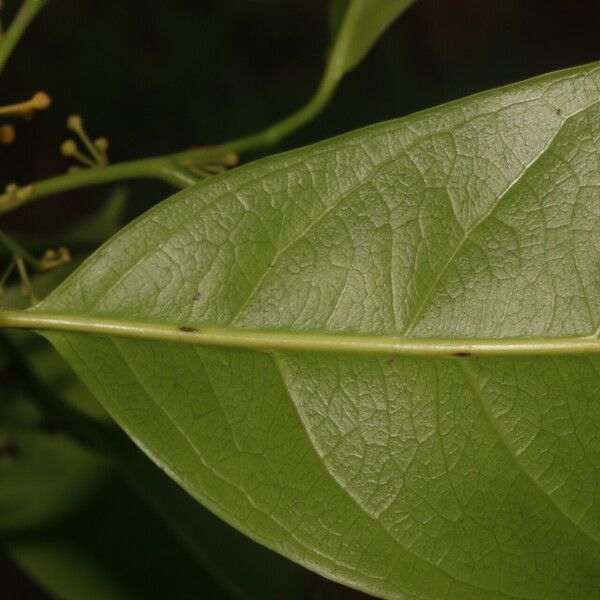
Plant Overview
Hailing from the lush, mist-shrouded forests of Panama and Costa Rica, Pouteria chiricana is a dignified member of the Sapotaceae family. Known simply as Chiricana, this rare tropical tree is a true "hidden gem" of Central American biodiversity. While it lacks a flashy common nickname, it is highly respected by botanists for its resilience in premontane habitats.
🔍 How to Identify
- 🍃 Glossy Foliage: The leaves are thick, leathery, and have an elegant elliptical shape. They typically cluster toward the ends of the branches, creating a dense, vibrant green canopy.
- 🥛 Milky Sap: A defining characteristic of this genus is its white, sticky latex. If a leaf is broken or the bark is nicked, this milky substance will slowly seep out.
- 🍈 The Fruit: It produces modest, rounded berries with a greenish-brown, slightly textured skin. Inside, the flesh is firm, echoing the structure of its more famous "Sapote" cousins.
🏡 In Your Garden
- 🌦️ Humidity is Key: This species is a child of the rainforest. It thrives in high humidity and stable, warm temperatures. In dry indoor environments, it often struggles with "crispy" leaf tips unless a humidifier is used.
- ⛰️ Deep Root System: Because it is naturally a forest tree, it dislikes being root-bound. If grown in a pot, it requires a deep vessel to accommodate its taproot and prefers a rich, acidic soil mix that mimics a forest floor.
⚠️ Safety & Toxicity
- 🥛 Mild Irritant: The white latex found in the stems and leaves can cause skin irritation or "latex dermatitis" in sensitive individuals. It is highly recommended to wear gloves when pruning.
- 🐾 Pet Watch: While not classified as highly toxic, the sap can cause stomach upset and oral irritation in cats and dogs if they chew on the branches. It is best placed out of reach of curious pets.
✨ Fun Fact
Pouteria chiricana is a close relative of the Mamey Sapote, a fruit famous in Central America for tasting like a delicious blend of sweet potato, pumpkin, and almond! While the Chiricana's fruit is smaller and less sweet, it remains a vital food source for tropical birds and small mammals.

Detailed Care Instructions








