Plant Overview
Often called the Zapotillo or Red Silktree, Pouteria reticulata is a sturdy, elegant resident of the neotropical rainforests. This tree is a backbone species in Central American ecosystems, cherished for its incredibly dense wood and the sweet fruits that sustain local wildlife. In many cultures, its resilient nature and evergreen canopy represent endurance and quiet strength.
🔍 How to Identify
- 🍃 Reticulate Veins: The species name reticulata refers to the beautiful "net-like" pattern of veins visible on the underside of its glossy, lance-shaped leaves.
- 💧 Latex Sap: Like many members of the Sapotaceae family, breaking a leaf or a small twig reveals a thick, milky white sap (latex) that oozes slowly from the wound.
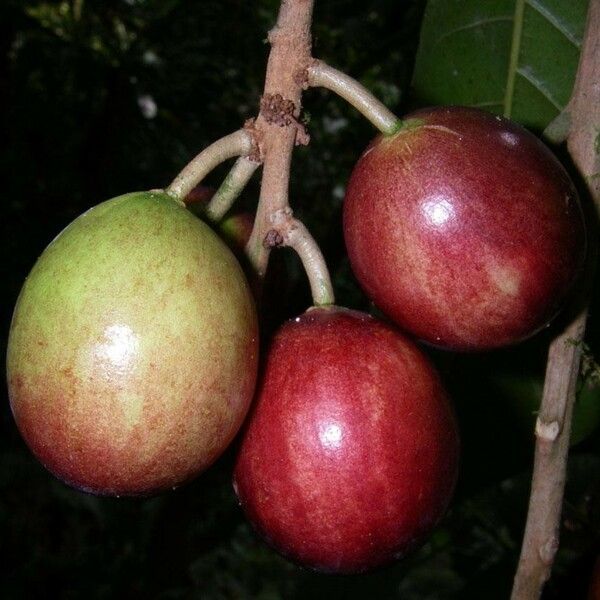
- 🍒 Dark Berries: It produces small, oval fruits that transition from a hard green to a soft, dark reddish-purple or black when fully ripe.
🏡 In Your Garden
- 🌳 Deep Roots: This is not a plant for a small patio pot; it develops a powerful taproot. It hates being moved once established, so you must choose its "forever home" carefully to avoid transplant shock.
- ☁️ Humidity Lover: It thrives in high-humidity environments and deep, organic soil. While it can tolerate partial shade as a sapling, it will eventually push through the canopy to seek direct sunlight as it matures.
⚠️ Safety & Toxicity
- 🐾 Pet Safety: While the fruit flesh is generally eaten by birds and monkeys, the seeds and the milky sap contain alkaloids that can cause stomach upset or nausea in domestic cats and dogs.
- 🧤 Skin Sensitivity: The sticky latex sap can be a mild skin irritant for some people. If you are pruning the tree or cleaning up fallen branches, wearing gloves is recommended to avoid "sticky hands" and potential rashes.
✨ Fun Fact
- 🏗️ Ancient Engineering: The wood of the Pouteria genus is so exceptionally heavy and durable that it was historically used by the Mayans to create lintels and support beams in their massive stone temples—many of which have survived for centuries in the humid jungle!

Detailed Care Instructions

Place in a bright room that is sun drenched almost all day. Or directly in a south-facing window.

When the top few inches of soil dry out, water your plants. If the top few inches of soil are still moist, do not water your plant. Wait a few days, then poke your finger into the soil to see if anything has changed. Overwatering poses a disease risk, such as the development of fungal diseases in the roots. These plants have adaptations in there leaves that allow them to survive in low water supply.








