Plant Overview
Often called the "Red Pouzolz's Bush," Pouzolzia sanguinea is a resilient shrub native to the misty slopes of the Himalayas and across Southeast Asia. Its species name, sanguinea, refers to its most striking feature—the deep, blood-red or purple hue often found on its stems. While it may look like a common wayside shrub, it is a plant deeply woven into local folklore and traditional herbal practices throughout Asia.
🔍 How to Identify
- 🩸 The Stems: Look for the signature reddish-purple or "bloody" coloring on the younger branches, which provides a sharp, beautiful contrast against the green foliage.
- 🍃 The Leaf Veins: The leaves are usually lance-shaped and feature three very distinct, deep veins originating from the base, a classic "tri-nerved" trait of its family.
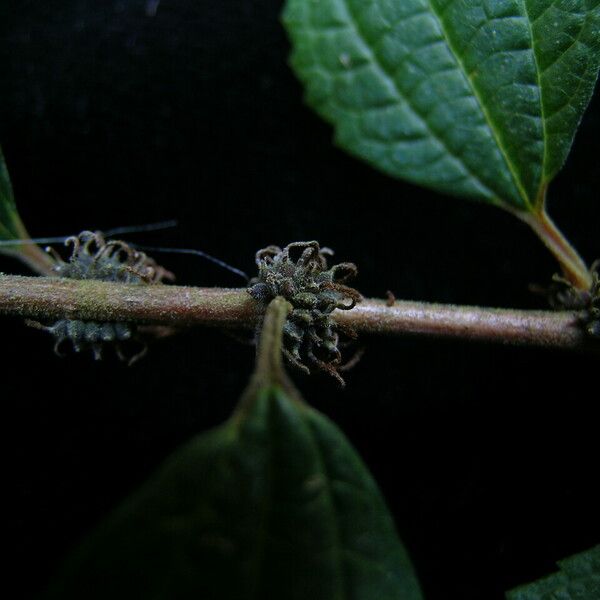
- ☁️ Texture & Flowers: The leaves have a slightly rough, hairy texture. Its flowers are tiny, greenish-white, and grow in tight clusters tucked right where the leaf meets the stem (the axils).
🏡 In Your Garden
- 🧗 Tough as Nails: This plant is an opportunistic survivor. In its natural habitat, it thrives in rocky crevices and forest edges, meaning it is exceptionally hardy and can handle "neglect" better than most ornamental shrubs.
- 💧 Humidity & Light: It prefers dappled sunlight and high humidity, mimicking the tropical mountain understory. If you are growing it indoors or in a dry climate, regular misting will help keep those unique leaf veins looking sharp.
⚠️ Safety & Toxicity
- 🛡️ General Status: Pouzolzia sanguinea is generally considered non-toxic to touch, but it is not a food plant.
- 🐾 Pet & Child Caution: While not known to be deadly, the fibrous nature of the leaves and the tiny hairs can cause mild mouth irritation or digestive upset if chewed by curious pets or toddlers. It is best kept as a "look but don't taste" addition to your collection.
✨ Fun Fact
In many traditional cultures, the bark of the Pouzolzia plant is so strong and fibrous that it was historically harvested and twisted to create durable ropes and fishing nets!

Detailed Care Instructions

Place in a bright room that is sun drenched almost all day. Or directly in a south-facing window.

Water-loving plants flourish in wet or sloppy soil and near ponds. The extensive root system enables these plants to absorb plenty of water. The surface of the soil should be kept moist at all times. Place your pot in a container filled with water to guarantee that plants get enough water. If the ground becomes dry, it is recommended that you water it well. Plants in smaller pots will need to be watered more frequently. Water the soil in which the plant is standing thoroughly using a watering can.








