Plant Overview
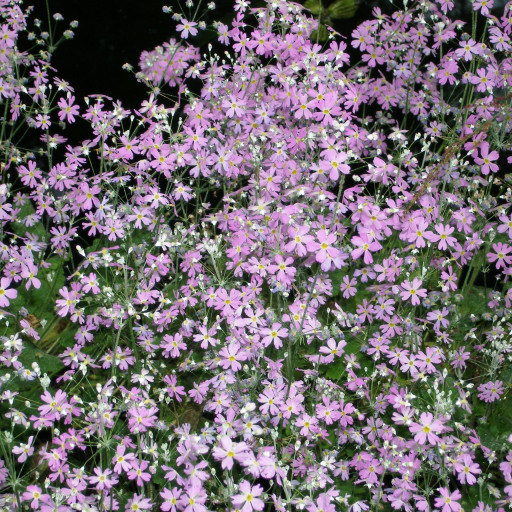
The Fairy Primrose, or Primula malacoides, looks as though it was plucked straight from a Victorian storybook. Often called the "Baby Primrose," this delicate beauty is native to the cool, humid mountains of China. Unlike its stockier primrose cousins, this variety is prized for its ethereal, tiered blossoms that appear to float on slender stems above a carpet of soft, scalloped foliage.
🔍 How to Identify
- 🌸 Tiered Blooms: The flowers grow in distinct "whorls" or layers along a central stalk, creating a dainty candelabra effect.
- 🍃 Heart-Shaped Leaves: The foliage forms a lush rosette at the base; the leaves are light green, heart-shaped, and feature soft, crinkled edges with a slightly fuzzy texture.
- 🎨 Pastel Palette: Flowers typically come in "fairy-like" shades of lavender, soft pink, snowy white, and deep rose, often featuring a tiny yellow "eye" at the center.
🏡 In Your Garden
- ❄️ The Cool-Season Specialist: This plant is a "winter-spring" star. It absolutely thrives in chilly temperatures (around 50-60°F) and will rapidly decline or go dormant if the summer heat kicks in too early.
- 💧 The Moisture Tightrope: It prefers "goldilocks" soil—consistently moist but never soggy. If the soil dries out completely, the delicate leaves will wilt dramatically, but sitting in water will cause the crown to rot almost overnight.
- 🌥️ Shadow Play: Because it naturally grows in mountain ravines, it prefers bright, filtered light rather than direct, scorching sun, which can bleach its thin petals.
⚠️ Safety & Toxicity
- 🚫 Skin Irritant: Like many members of the Primula family, P. malacoides contains primin, an allergen that can cause mild skin irritation or a "primula rash" (contact dermatitis) in sensitive individuals.
- 🐾 Pet Warning: If ingested, it can cause stomach upset, vomiting, or drooling in cats and dogs. It is best kept on high shelves or in hanging baskets away from curious nibblers.
✨ Fun Fact
The Fairy Primrose was so popular in the early 20th century that plant breeders worked tirelessly to remove the "primin" allergen from its leaves. While many modern cultivars are much safer to touch than wild varieties, it’s still a good idea to wear gloves if you have sensitive skin!

Detailed Care Instructions
To grow Primula Malacoides, also known as Fairy Primrose, you will need to follow these steps:
- Select the right location: Primula Malacoides are shade-loving plants, so choose a spot in your garden that receives partial shade or filtered sunlight. Avoid planting them in full sun, as it can scorch their delicate foliage.
- Prepare the soil: Primulas prefer well-draining soil that is rich in organic matter. Amend the soil with compost or well-rotted manure to improve its quality. Ensure the soil is moist but not waterlogged.
- Planting: Dig a small hole that is slightly larger than the root ball of the plant. Place the plant in the hole and backfill it with soil, gently firming it around the roots. Space each plant about 6-8 inches apart.
- Watering: Primulas prefer consistently moist soil, but they do not like to sit in standing water. Water the plants regularly to keep the soil evenly moist. Allow the top inch of soil to dry out slightly between waterings.
- Mulching: Apply a layer of organic mulch, such as bark chips or straw, around the base of the plant to help retain moisture and suppress weed growth.
- Fertilizing: Feed your Primulas with a balanced, slow-release fertilizer in early spring and late summer. Follow the package instructions for proper dosage.
- Deadheading: Regularly remove spent flowers by pinching or snipping the stems just above the base of the plant. This will encourage the development of new blooms and maintain a tidy appearance.
- Pests and diseases: Primula Malacoides can be susceptible to aphid attacks and powdery mildew. Monitor your plants regularly and promptly treat any infestations or diseases with organic insecticides or fungicides, respectively.
- Winter care: Fairy Primrose is typically grown as a seasonal or indoor plant in colder climates. If you reside in an area with harsh winters, consider bringing your Primulas indoors or protect them with a layer of mulch or frost cloth.
By following these guidelines, you should be able to successfully grow Primula Malacoides and enjoy their lovely clusters of delicate flowers.

Place in a window with dappled sun or a spot in the middle of a room. Or directly in a window facing west or east.

Primula Malacoides is a plant that requires consistent and even moisture throughout its growing season. To properly water this plant, one should thoroughly saturate the soil until water begins to drain from the bottom of the pot or container. It is important to avoid over-watering, as this can lead to root rot and other issues. The plant should be allowed to dry out slightly between watering, but never to the point of wilting. Additionally, it is important to avoid getting water on the plant's leaves, as this can promote the growth of fungal diseases. To ensure proper drainage, the plant should be grown in well-draining soil and a container with drainage holes. Finally, it is important to keep an eye on the plant's water needs, as they may vary depending on factors such as humidity, temperature, and light levels.
To fertilize this plant, use a balanced fertilizer with equal amounts of nitrogen, phosphorus, and potassium. Apply the fertilizer once every two weeks during the growing season, starting in early spring. Be sure to dilute the fertilizer to half the recommended strength before applying it to the soil. To avoid burning the plant's roots, water the soil thoroughly before and after fertilizing.
The ideal soil for this plant should be well-drained and rich in organic matter. It should be slightly acidic with a pH range between 5.5-6.5. The soil should be moist but not waterlogged, as this can cause root rot. Adding a layer of mulch on top of the soil can help retain moisture and prevent weeds from growing around the plant. A mixture of peat moss, perlite, and vermiculite can be added to the soil to improve drainage and aeration. It is important to avoid using heavy clay soils or soils that are too alkaline, as this can negatively impact the plant's growth and health.
To propagate this plant, you will need to follow a few steps. First, take a cutting from the stem of the existing plant. Make sure the cutting is at least 2-3 inches long and includes a few leaves.
Remove the lower leaves from the cutting, leaving only a few at the top. Dip the cut end of the stem in rooting hormone powder and plant it in a pot filled with moist potting soil. Cover the pot with a plastic bag to create a humid environment.
Place the pot in a bright, indirect light and keep the soil moist. After a few weeks, the cutting should start to develop roots. Once the cutting has established roots, you can transplant it into a larger pot or directly into the garden.
Continuing to keep the soil moist and in bright, indirect light will help the new plant establish itself. With proper care, your new Primula Malacoides plant will grow and thrive.
Common pests of the baby primrose include Aphids, snails. Make a habit of checking your baby primrose frequently for pests so that any infestations can be caught and managed early.








