Plant Overview
Known as the "Fairy Primrose" or "Dwarf Primrose," Primula minima is a tiny alpine treasure that looks like it belongs in a miniature enchanted forest. This resilient little plant is a master of survival, clinging to the high-altitude rocky ridges of the Eastern Alps and the Balkans. In mountain folklore, these small but bright blooms were often whispered to be the "keys" that could unlock hidden treasures hidden deep within the craggy peaks.
🔍 How to Identify
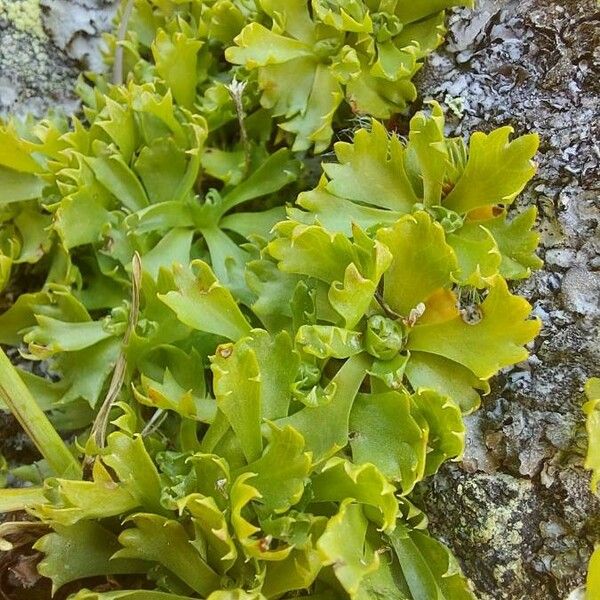
- 🍃 The Foliage: Small, wedge-shaped, shiny green leaves that grow in tight, ground-hugging rosettes. The tips of the leaves are distinctively "toothed" or jagged.
- 🌸 The Bloom: Remarkably large flowers compared to the tiny plant size. They are usually a vibrant rose-pink or lilac, featuring a bright white "eye" at the center.
- ✂️ Petal Shape: Each of the five petals is deeply notched (cleft) at the end, giving the flower a delicate, star-like silhouette.
🏡 In Your Garden
- ⛰️ The Alpine Specialist: Because it originates from high-altitude crevices, this plant demands exceptional drainage. It thrives in rock gardens or "troughs" where its roots can stay cool and moist between stones, but never waterlogged.
- ❄️ Heat Sensitivity: This primrose is a lover of the cold. It struggles significantly in humid, hot summers and prefers a spot that mimics a breezy mountain slope. If you live in a warm climate, it will need a very shady, cool pocket to survive.
⚠️ Safety & Toxicity
- 👐 Skin Irritant: Like many members of the Primula family, the leaves contain primin, which can cause mild skin irritation or a "contact rash" in sensitive individuals. It is wise to wear gloves when dividing or planting.
- 🐾 Pet Watch: While not considered highly toxic, ingesting the plant can lead to minor stomach upset in cats or dogs. It is generally safe to have in a garden, but keep it out of reach of curious nibblers.
✨ Fun Fact
The specific epithet minima literally means "smallest." Despite being one of the tiniest primroses in existence, its flowers are often so large and numerous that they completely hide the green leaves beneath them during peak bloom, creating a "carpet" of pink on the gray mountain rocks.

Detailed Care Instructions
To grow Primula Minima, also known as Fairy Primrose or Dwarf Primrose, you can follow the steps below:
- Choose the right location: Primula Minima prefers partial shade to full shade, as direct sunlight can scorch its delicate leaves. Find a spot in your garden that receives dappled sunlight or has bright, indirect light.
- Prepare the soil: Primula Minima thrives in well-draining soil that is rich in organic matter. Amend the soil with compost or well-rotted manure to improve its fertility and drainage.
- Planting: Plant Primula Minima in early spring or early fall. Dig a hole that is slightly larger than the root ball of the plant. Place the plant in the hole, ensuring the top of the root ball is level with the soil surface. Backfill the hole with soil, firming it gently around the plant.
- Watering: Keep the soil consistently moist but not waterlogged. Primula Minima prefers evenly moist soil, so water whenever the top inch of soil feels dry. Avoid overwatering, as this can lead to root rot.
- Mulching: Apply a layer of organic mulch, such as wood chips or shredded bark, around the base of the plants. Mulch helps to retain moisture, regulate soil temperature, and suppress weed growth.
- Fertilizing: Primula Minima typically does not require heavy fertilization. However, you can apply a slow-release, balanced fertilizer in early spring to promote healthy growth. Follow the package instructions for the appropriate dosage.
- Deadheading: Remove spent flowers by pinching or snipping them off at the base. This encourages the plant to produce more blooms throughout the growing season.
- Pests and diseases: Primula Minima is generally resistant to most pests and diseases. However, occasional issues with slugs or snails may occur. Regularly inspect the plants for any signs of pest damage and take appropriate pest control measures if necessary.
- Division: When the plant becomes overcrowded or loses vigor, you can divide Primula Minima to create new plants. Dig up the clumps, separate them into smaller sections, and replant them in well-prepared soil.
By following these steps, you can successfully grow Primula Minima and enjoy its lovely blooms.

Place in a bright room that is sun drenched almost all day. Or directly in a south-facing window.

To water this plant, ensure that the soil is consistently moist but not waterlogged, as over-watering can lead to root rot. Allow the top layer of soil to dry out before watering again. It is best to water from the base or bottom of the plant, rather than directly on the leaves or flowers. The plant prefers well-draining soil and should not sit in standing water. In hotter or drier climates, the plant may require more frequent watering.
To fertilize this plant, use a balanced, water-soluble fertilizer every two weeks during the growing season. Dilute the fertilizer to half strength and apply it to the soil around the base of the plant. Water the plant thoroughly after fertilizing to avoid fertilizer burn. Avoid over-fertilizing, as this can lead to excess growth and reduced flowering.
Primula Minima plants thrive in soil that is rich in nutrients and well-draining. A mixture of peat moss, perlite, and sand is ideal for the plant's growth. The pH level of the soil should be slightly acidic to neutral, ranging from 5.5-7.0. Avoid using heavy or clayey soils that can cause waterlogging and root rot. It is also recommended to add organic matter such as compost or aged manure to improve the soil structure and nutrient content. When planting the Primula Minima, ensure that the soil is moist and well-packed around the roots. Adequate soil moisture is essential for the plant's growth and flowering.
Primula Minima plants can be propagated through various methods, such as by seed or division. To propagate by seed, collect ripe seeds from the parent plant and sow them in well-draining soil in a seed tray or pot. Keep the soil moist and at a temperature of around 15-20°C. Germination can take 2-4 weeks, after which the seedlings can be transplanted into individual pots or directly into the garden.
To propagate by division, carefully dig up the parent plant and separate the individual plants with their own roots. Plant these new divisions in a suitable location with well-draining soil and water them until they establish themselves. It is important to propagate Primula Minima plants during their active growing season to ensure successful establishment.








