Plant Overview
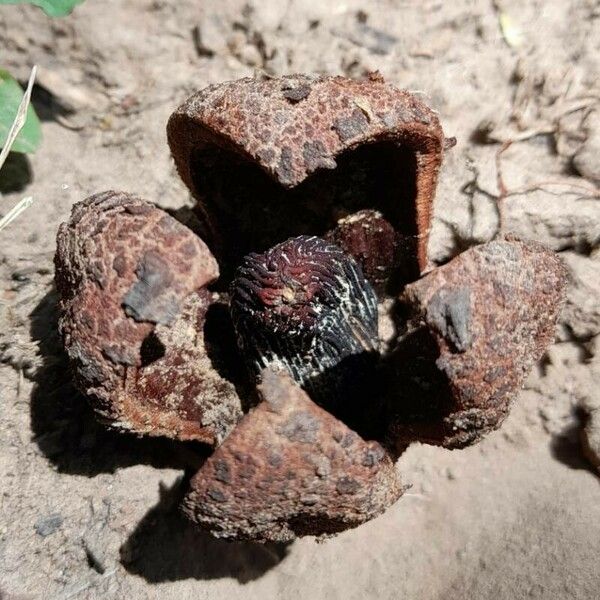
Often called the "Flor de Tierra" (Earth Flower), this bizarre botanical wonder looks more like a prehistoric mushroom than a typical plant. Having completely abandoned the color green, it lives a secretive life as a parasite, hidden entirely underground until it is time to bloom. It is a master of deception, using its alien-looking features to navigate the harsh, dry soils of South America.
🔍 How to Identify
- 🍄 The "Flower": A thick, fleshy, three-lobed structure that pushes through the soil. It is usually dark brownish-purple or deep red and has a leathery, warty texture.
- 🕯️ Hidden Body: It has no leaves or stems. The majority of the plant consists of a network of "haustorial" roots that remain invisible beneath the surface.
- 👃 The Scent: If you get close, you’ll notice a pungent, fermented, or slightly "rotting" odor, which it uses to attract specific beetles for pollination.
🏡 Habitat & Ecology
- 🌳 The Silent Thief: This is an "obligate parasite," meaning it cannot survive on its own. It attaches itself to the roots of trees and shrubs—most commonly the Prosopis (Mesquite) family—to steal water and nutrients.
- 🏜️ Underground Specialist: Because it doesn't need sunlight to make food (it doesn't photosynthesize), it spends its entire life cycle in total darkness, only emerging to reproduce when conditions are right.
⚠️ Safety & Toxicity
- 🟢 Non-Toxic but Inedible: While not considered a "deadly" plant, it is not meant for human or pet consumption.
- 🐾 Pet Curiosity: The rotting scent of the flower may attract curious dogs or cats who like "stinky" things. While not typically poisonous, the fibrous, tough texture can cause stomach upset or a choking hazard if chewed.
✨ Fun Fact
- 🌡️ A Living Heater: Prosopanche americana is thermogenic! It can actually raise its own internal temperature above the surrounding air. This heat helps to volatilize its scent, pumping out "perfume" to attract pollinators even in the cool night air.

Detailed Care Instructions
Prosopanche americana, commonly known as the mesquite root parasite or desert mistletoe, is a unique plant that exhibits a parasitic lifestyle. It primarily grows on the roots of various species of mesquite (Prosopis spp.). If you’re interested in cultivating this plant, here are some guidelines to consider:
1. Understanding its Parasitic Nature
- Prosopanche americana is a hemiparasitic plant, meaning it relies on its host for nutrients while also performing photosynthesis. It does not grow like a typical plant that is rooted in soil.
2. Selecting a Host Plant
- Choose the Right Host: The plant specifically associates with mesquite trees (such as Prosopis glandulosa). Ensure that you have healthy specimens of mesquite available.
- Environmental Conditions: Mesquite trees thrive in arid and semi-arid regions, so consider growing the host in a similar environment.
3. Soil and Location
- Soil: Mesquite trees grow well in sandy, well-draining soil. Make sure the host plant is established in an area that mimics its natural habitat.
- Sunlight: Ensure that the host plant is exposed to full sun, which is necessary for both the host and parasite.
4. Infection and Cultivation
- Seed or Spawn: If you have access to seeds or vegetative parts of Prosopanche americana, these can be planted near the roots of established mesquite trees.
- Grafting or Inoculation: Traditionally, information on how to successfully establish this plant is sparse due to its specific parasitic nature. It may involve more complex growth techniques involving inoculation or inducing the parasite to attach to the roots of the host.
5. Watering and Care
- Watering: Mesquite trees are drought-tolerant, so water them sparingly and allow the soil to dry out between waterings. Ensure that the soil does not become overly saturated.
- Pest Control: Monitor for pests but avoid chemical treatments near the mesquite, as they can negatively affect the health of the Prosopanche.
6. Patience
- Growth Time: Remember that establishing a parasitic relationship takes time. Be patient as the Prosopanche americana integrates with its host.
7. Legal and Ecological Considerations
- Native Plant Considerations: Research whether it is appropriate to cultivate this plant in your area, as some jurisdictions have laws regarding the cultivation of parasitic plants or native species. Additionally, consider the ecological impact and ensure it does not disrupt local ecosystems.
Growing Prosopanche americana can be quite challenging due to its specialized needs and unique growth habits as a parasite. Make sure to do thorough research and consider local expert advice when attempting to cultivate this plant.
Prosopanche americana, a type of parasitic plant, has specific watering needs due to its unique biology and habitat requirements. When caring for this plant, consider the following guidelines for watering:
- Understand the Plant's Environment: Prosopanche americana typically thrives in association with host plants, often found in arid or semi-arid environments. This means it has adapted to the water availability of these ecosystems.
- Soil Moisture: Since this plant is parasitic, it derives moisture and nutrients from the host plant’s roots. Therefore, the soil around the host plant should be maintained at moderate moisture levels — not overly saturated but not completely dry. Aim for consistent, even moisture.
- Frequency: Water the surrounding soil when it begins to feel dry to the touch, but avoid frequent heavy watering. This can encourage root rot not only in the host but can also affect the overall health of the parasitic plant.
- Water Quality: Use clean, fresh water, avoiding chlorine-rich tap water if possible. Rainwater or distilled water can be a better option, especially if the plant is grown in a controlled environment.
- Observation: Monitor the host plant's condition and the surrounding soil. If the host plant shows signs of stress (such as wilting or yellowing leaves), then adjust watering accordingly, as the health of the host directly impacts the health of the parasitic plant.
- Humidity: Consider the humidity levels in the growing environment. While the plant is capable of surviving in low humidity, maintaining a slightly more humid environment may benefit overall vitality, especially in drier conditions.
- Seasonal Adjustments: Adjust your watering schedule according to the seasons. During the growing season, more frequent watering may be necessary if the host plant requires it; during dormancy, reduce watering accordingly.
In summary, focus on maintaining moderate soil moisture around the host plant, using clean water and adjusting based on environmental conditions and the health of both the host and the parasitic plant.
To fertilize Prosopanche americana effectively, follow these guidelines:
- Soil Testing: Before fertilizing, conduct a soil test to determine existing nutrient levels and pH. This will help you choose the right type and amount of fertilizer.
- Fertilizer Type: Use a balanced, slow-release fertilizer with equal parts nitrogen (N), phosphorus (P), and potassium (K), or one that is slightly higher in phosphorus to support root development and overall plant health.
- Application Timing: Fertilize in early spring, just before or as new growth starts to appear. This timing is crucial to ensure the plant receives nutrients during its active growing season.
- Application Method:
- Granular Fertilizer: Broadcast the recommended amount evenly across the soil surface around the base of the plant, avoiding direct contact with the stems. Follow the quantity specified on the fertilizer label, which usually ranges from 1/2 to 1 cup, depending on the size of the plant and the soil test results.
- Liquid Fertilizer: If using a liquid fertilizer, dilute it according to the manufacturer's instructions and apply it directly to the soil around the plant, avoiding foliage.
- Granular Fertilizer: Broadcast the recommended amount evenly across the soil surface around the base of the plant, avoiding direct contact with the stems. Follow the quantity specified on the fertilizer label, which usually ranges from 1/2 to 1 cup, depending on the size of the plant and the soil test results.
- Watering: After applying fertilizer, water the area thoroughly. This helps to activate the nutrients and allows them to penetrate the root zone effectively.
- Frequency: Fertilization is generally recommended once in the spring. However, if the plant appears to be lacking in nutrients throughout the growing season, consider a supplemental application in mid-summer, particularly if the soil test indicates deficiencies.
- Watch for Symptoms: Monitor the plant for signs of nutrient deficiency or excess, such as yellowing leaves, stunted growth, or burnt leaf tips. Adjust your fertilization approach accordingly.
- Environmental Considerations: Avoid over-fertilizing as this can lead to nutrient runoff and harm local ecosystems. Always follow best practices for fertilizer application to minimize environmental impact.
By adhering to these instructions, you can effectively support the health and growth of Prosopanche americana.
Prosopanche americana thrives best in well-draining soil that allows for good aeration. The ideal soil should be sandy or gravelly, as it mimics the plant's natural habitat. A pH range of 6.0 to 7.5 is preferable, as this allows for optimal nutrient uptake.
In addition, incorporating organic matter such as decomposed leaf litter or compost can improve soil fertility while enhancing moisture retention without causing water logging. It’s essential to avoid heavy clay soils, as they can retain excess moisture, which can lead to root rot or other issues.
Overall, a mix that includes sand, organic matter, and possibly some loamy components will create a suitable growing environment for this plant.
Prosopanche americana is a holoparasitic plant that relies on host plants for nutrients. Propagation of this species is quite challenging due to its unique life cycle and parasitic characteristics. Here are some details regarding its propagation:
Seed Propagation
- Seed Collection: If the plant has produced seeds, they can be harvested when mature. Seeds should be collected from healthy specimens.
- Stratification: Some seeds may require a period of cold stratification to break dormancy. Place seeds in a moist medium, such as sand or paper towels, and store them in the refrigerator for a few weeks.
- Sowing: Once stratification is complete, sow the seeds in a well-draining soil mixture. Since this plant is dependent on host plants, the presence of potential hosts is crucial.
- Selecting Host Plants: Choose appropriate host plants, typically those within the legume family, as they provide the necessary resources for the germinating seeds.
- Watering and Light: Keep the soil moist but not waterlogged. Provide indirect light, as excessive direct sunlight may hinder growth.
- Transplanting: Once seedlings develop, they can be transplanted into the vicinity of host plants, ensuring their roots can establish connections with the host's root system.
Vegetative Propagation
Due to the nature of this species, vegetative propagation is not commonly practiced, but here are some considerations:
- Root Division: If you're able to access mature plants, portions of the root system might be carefully divided and transplanted close to host plants. Ensure that each division has an adequate amount of root tissue for establishment.
- Monitoring: After transplantation, monitor the newly placed material closely to ensure successful establishment and parasitism on the host plants.
Considerations
- Soil and Environment: This plant thrives in specific soil types and environmental conditions typical of its natural habitat. Attempt propagation in similar conditions to improve success rates.
- Legal and Ethical Aspects: Ensure compliance with local regulations regarding the collection of seeds or plant material, and consider the ecological impact of propagation efforts.
Due to the complexity of its life cycle and dependency on host plants, propagating this species can be quite difficult and often requires specialized knowledge or conditions.








