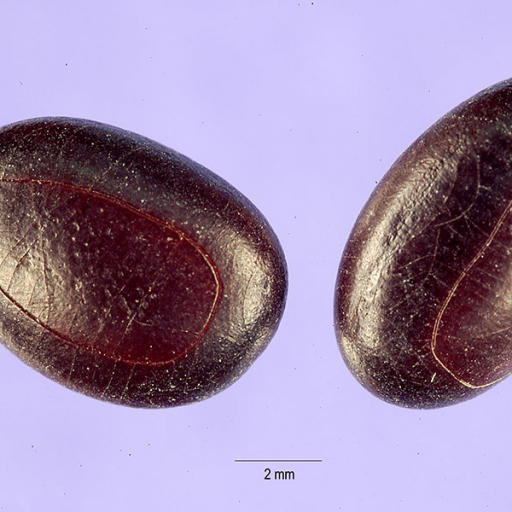
Plant Overview
Known as the African Mesquite or the "Ironwood" of the savannah, Prosopis africana is a cornerstone of West African landscapes. It isn’t just a shade tree; it’s a pantry, a pharmacy, and a hardware store all in one. In many cultures, its fermented seeds provide a savory "umami" punch to traditional soups, making it as culturally vital as it is ecologically resilient.
🔍 How to Identify
- 🌳 Bark Texture: The bark is distinctively dark, rough, and scaly, often appearing to peel away in small, rectangular flakes as the tree matures.
- 🌿 Feathery Foliage: It features elegant, bipinnate (double-feathered) leaves that give the tree a soft, airy appearance despite its rugged nature.
- 🫘 Cylindrical Pods: Look for dark reddish-brown, woody pods that are thick and cylindrical. Unlike many other legumes, these pods do not split open on their own when ripe.
🏡 In Your Garden
- 🌱 The Taproot Challenge: This tree is a survivor, built to withstand intense droughts. Because it develops a massive, deep taproot very early in its life, it is notoriously difficult to transplant. If you are growing one, ensure it is placed in its "forever home" while it is still a small sapling.
- 🌾 Soil Enrichment: It is a nitrogen-fixing marvel. By partnering with soil bacteria, it pulls nitrogen from the air and deposits it into the ground, acting as a natural fertilizer for any grass or garden plants growing beneath its canopy.
⚠️ Safety & Toxicity
- ✅ Status: Generally non-toxic and highly valued for food and medicine.
- 🐕 Pet & Child Safety: While the plant is not poisonous, the woody pods are extremely hard and do not break down easily. They can pose a significant choking hazard or cause digestive blockages if swallowed by curious pets or small children.
- 💊 Medicinal Use: While the bark and leaves are used in traditional medicine for various ailments, they contain high concentrations of tannins. Never ingest home-prepared extracts without professional guidance, as they can cause severe stomach irritation.
✨ Fun Fact
The wood of the African Mesquite is so incredibly dense and hard that it is nicknamed "Ironwood." It is famously resistant to termites and decay, and the charcoal produced from its branches burns longer and hotter than almost any other wood in the world!

Detailed Care Instructions
To grow a Prosopis africana plant, also known as African mesquite or Senegalia africana, here are the steps you can follow:
- Obtain seeds: You can obtain seeds from a reputable nursery or collect them from a mature Prosopis africana tree.
- Stratify the seeds: Prosopis africana seeds require stratification to break their dormancy. Keep the seeds in a cool, dry place for a month or two to mimic their natural winter conditions.
- Prepare the planting site: Choose a sunny location with well-draining soil. Remove any weeds or vegetation from the area.
- Sow the seeds: Dig a hole or furrow in the prepared soil. Place the stratified seeds in the hole, covering them with a thin layer of soil. Space the seeds about 2-3 feet apart if you plan to grow multiple plants.
- Water regularly: Keep the soil moist but not waterlogged. Water the seeds whenever the soil begins to dry out, especially during the growing season.
- Provide sunlight: Prosopis africana plants need full sun exposure to thrive. Make sure the planting site receives at least 6-8 hours of direct sunlight every day.
- Mulch the soil: Apply a layer of organic mulch around the base of the plant to retain moisture, suppress weed growth, and protect the roots from temperature fluctuations.
- Prune when necessary: Once the plant establishes, you may need to prune it to maintain a desired shape or remove any dead or damaged branches.
- Fertilize sparingly: Prosopis africana is relatively low-maintenance and typically does not require frequent fertilization. However, you can apply a balanced slow-release fertilizer once or twice a year during the growing season if needed.
- Monitor for pests and diseases: Regularly check the plant for any signs of pest infestation or disease. Treat any issues promptly to prevent further damage.
With proper care, your Prosopis africana plant should grow steadily over time. Be patient, as it may take several years for the plant to reach maturity and produce flowers and seeds.
To water this plant, ensure that the soil is dry to touch before watering. Use a watering can or hose and apply water to the base of the plant, avoiding getting any water on the leaves or stem. Water until the soil is moist, but not overly saturated. Do not allow the plant to sit in standing water as this can cause root rot. Watering frequency will depend on the climate, season, and location of the plant, but generally, the plant should be watered once a week in average conditions. However, in hotter or drier conditions, the plant may need watering more frequently.
To fertilize this plant, apply a balanced fertilizer with equal amounts of nitrogen, phosphorus, and potassium every three months during the growing season. Spread the fertilizer around the base of the plant, avoiding direct contact with the trunk or stem. Water the plant thoroughly after fertilizing to help the nutrients penetrate the soil. Avoid overfertilizing, as this can lead to excessive foliage growth and may harm the plant.
The best soil to use for this particular plant is a well-draining loamy soil that is rich in nutrients. It is important to ensure that the soil is not water-logged as this can lead to root rot and other forms of plant diseases. The pH of the soil should be in the neutral to slightly acidic range, with a pH range of 6.0 to 7.5 being ideal. This will ensure the plant has access to the nutrients it needs for healthy growth and development. In addition to the soil, it is also important to ensure that the plant is watered regularly, but not over-watered, and receives the appropriate amount of sunlight for optimal growth.
Propagation of this plant can be achieved through various methods, including seed germination, cutting, and layering. Seed germination is the most commonly used method, and it involves collecting mature seeds from the parent plant and scarifying them before planting in a suitable soil mix. Cuttings can also be used, where stem cuttings are taken from the parent plant and planted in a soil mix with rooting hormone. Layering is where a portion of the stem is buried in the soil, encouraging new roots to grow. Once roots have formed, the new plant can be separated from the parent and planted in its own pot. Regardless of the propagation method chosen, it is important to keep the soil moist and provide adequate light and warmth for the new plant to thrive.








