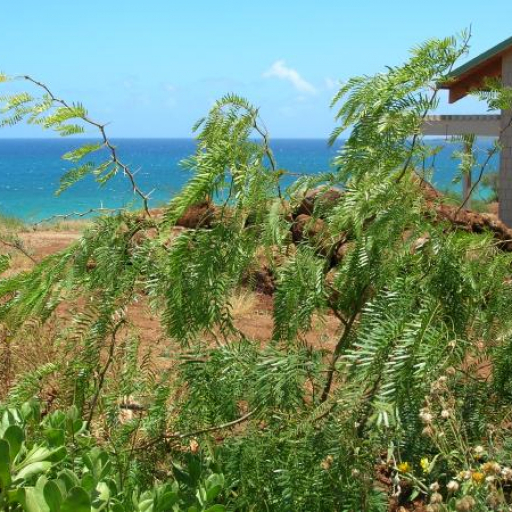
Plant Overview
Known as the "Iron Tree" or "Mathenge," Prosopis juliflora is a master of survival. Originally from Central and South America, it was introduced globally to combat desertification and provide firewood. While it is a hero in arid landscapes for its ability to grow where nothing else survives, its aggressive nature has earned it the nickname "Green Cancer" in many regions where it outcompetes native species.
🔍 How to Identify
- 🌿 The Foliage: Look for delicate, fern-like leaves that are "bipinnate." They are usually a bright, waxy green and stay vibrant even during intense droughts.
- ⚔️ The Thorns: This plant is armed with formidable, straight, woody thorns that grow in pairs at the base of the leaves. They are sharp enough to puncture leather and even thin vehicle tires.
- 🌼 The Flowers: It produces long, cylindrical spikes of pale yellow or creamy flowers. These fuzzy "catkins" have a sweet, heavy scent that attracts a wide variety of pollinators.
- 🫘 The Pods: Slender, straw-colored bean pods hang in clusters. These pods do not split open on their own and contain hard, brown seeds encased in a sweetish pulp.
🏡 In Your Garden
- 🏗️ Subsurface Engineering: If you find this plant in your yard, be aware of its "taproot." It can dive dozens of meters into the earth to find water, making it nearly impossible to kill by simply cutting it down; it will almost always resprout from the root crown.
- 🍯 Pollinator Magnet: Despite its invasive reputation, it is one of the world’s best honey plants. Beekeepers value it because it flowers during dry periods when other nectar sources have vanished, resulting in a high-quality, light-colored honey.
⚠️ Safety & Toxicity
- 🌵 Physical Hazard: The thorns are the primary safety concern. Puncture wounds from Prosopis are notoriously painful and often become inflamed or infected due to environmental bacteria on the spine's surface.
- 🐾 Livestock Warning: While the pods are high in protein and often used as fodder, animals that eat only these pods for long periods can develop "Jaw Disease" (masticatory muscle atrophy) due to the high sugar content and certain alkaloids.
- 🤧 Allergies: The abundant yellow pollen produced during flowering can be a significant trigger for hay fever and respiratory issues in sensitive individuals.
✨ Fun Fact
The roots of the Prosopis juliflora are among the deepest in the plant kingdom—some have been recorded reaching depths of over 50 meters (160 feet) to reach the water table!

Detailed Care Instructions
To grow Prosopis Juliflora (also known as mesquite or algarrobo) plant successfully, follow these steps:
- Climate and Location:
- Choose a location with full sun exposure as Prosopis Juliflora requires a lot of sunlight for proper growth.
- Ensure that the climate is dry or semi-dry, with temperatures ranging between 20-30°C (68-86°F). This plant is drought-tolerant and thrives in hot climates.
- Choose a location with full sun exposure as Prosopis Juliflora requires a lot of sunlight for proper growth.
- Soil:
- Use well-draining soil, preferably sandy or loamy soil. Avoid heavy clay soils that retain water.
- Prior to planting, improve the soil by adding organic matter such as compost or well-rotted manure. This will enrich the soil and help with drainage.
- Use well-draining soil, preferably sandy or loamy soil. Avoid heavy clay soils that retain water.
- Planting:
- Purchase Prosopis Juliflora seeds from a reputable source.
- Scarify the seeds by gently rubbing them with sandpaper or soaking them in hot water for about 24 hours. This will help break the seed coat and improve germination.
- Sow the scarified seeds directly into the prepared soil. Alternatively, you can also start them in pots or seed trays.
- Plant the seeds at a depth of about 2-3 cm (0.8-1.2 inches) and space them about 1 meter (3 feet) apart, ensuring sufficient room for their canopy to spread.
- Purchase Prosopis Juliflora seeds from a reputable source.
- Watering:
- Water the newly planted seeds or seedlings regularly until they establish, usually for the first year.
- Once established, Prosopis Juliflora is highly drought-tolerant and requires minimal watering. Water it only during extended dry periods.
- Water the newly planted seeds or seedlings regularly until they establish, usually for the first year.
- Pruning:
- Regular pruning is important to maintain the shape and health of the plant.
- Prune the plant annually during the dormant season, removing any dead, diseased, or damaged branches. You can also remove any crossing or crowded branches to improve air circulation.
- Regular pruning is important to maintain the shape and health of the plant.
- Pests and Diseases:
- Prosopis Juliflora is generally resilient against pests and diseases. However, keep an eye out for common plant pests like aphids, mites, or scale insects. Treat infestations with appropriate insecticides or use natural methods like neem oil.
Remember to check with local regulations or invasive species lists before planting Prosopis Juliflora, as it can be considered invasive in some regions.
- Prosopis Juliflora is generally resilient against pests and diseases. However, keep an eye out for common plant pests like aphids, mites, or scale insects. Treat infestations with appropriate insecticides or use natural methods like neem oil.

Place in a bright room that is sun drenched almost all day. Or directly in a south-facing window.

To water this plant, first determine the soil moisture level by sticking your finger 1-2 inches into the soil. If it feels dry, it's time to water. Water slowly and deeply to avoid runoff and allow the water to reach the plant's roots. Be sure not to overwater, as this can lead to root rot. Monitor the soil moisture level regularly and adjust watering accordingly based on the plant's needs and the environment it's in.
To fertilize this plant, use a balanced fertilizer with equal amounts of nitrogen, phosphorus, and potassium. Apply the fertilizer around the base of the plant, using a shallow furrow. Water the plant immediately after fertilizing to ensure the nutrients are absorbed by the roots. Repeat the fertilizing process every 2-3 months during the growing season. Avoid over-fertilizing as this can harm the plant.
The soil that is suitable for the plant commonly known as Prosopis Juliflora should have good drainage and aeration, as well as a pH level of around 6 to 8. It should be nutrient-rich and well-draining, with a mix of sand, loam, and some organic matter. The soil should be able to hold moisture but not be waterlogged, as this can cause root rot. It is also important to ensure that the soil is not contaminated with any hazardous chemicals or pollutants that may harm the plant's growth or health.
One method to propagate this plant is through seed germination. Collect mature seeds from the plant during the dry season. Soak the seeds in water for a few hours and then scarify them (using a file or sandpaper to break the hard outer shell) to increase germination success. Plant the seeds in a pot or garden bed with well-draining soil and keep consistently moist. Seedlings should emerge in a few weeks to a few months.
Another method is through softwood cuttings. Take cuttings from the plant during the rainy season, selecting healthy young branches with new growth. Remove the leaves from the bottom half of the cutting and dip the cut end in rooting hormone powder. Plant the cutting in a pot or garden bed with well-draining soil and keep consistently moist. The cutting should develop roots and begin to grow new leaves in a few weeks to a few months.
A third method is through layering. Select a healthy low-lying branch and bend it to the ground, making sure that part of it remains above the surface. Scrape the bark and apply rooting hormone to the scraped area. Cover the scraped area with a layer of moist soil and secure it in place with a stake or rock. Keep the area moist and in a few months, roots should develop from the scraped area. Cut the branch from the parent plant and carefully transplant the new plant into a pot or garden bed.








