Plant Overview
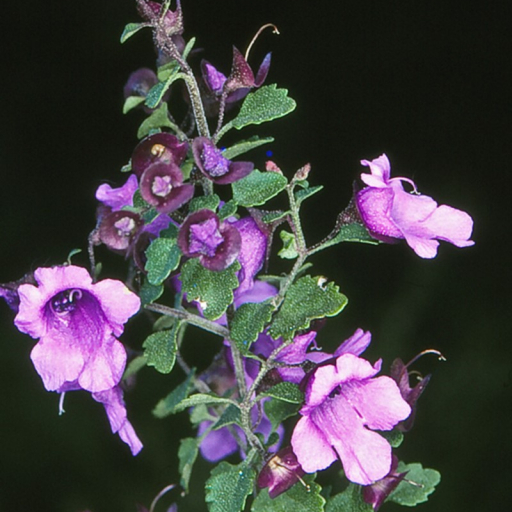
Known affectionately as the Cut-leaf Mint Bush, this Australian native is a sensory masterpiece for any garden. It is famous for its "scratch and sniff" foliage that releases a refreshing, spicy mint aroma at the slightest touch. During spring, the shrub practically disappears under a purple haze of delicate, bell-shaped flowers, making it a favorite for those who want to attract life and color to their outdoor spaces.
🔍 How to Identify
- 🍃 The Foliage: The leaves are small, dark green, and deeply "incised" or toothed along the edges, giving them a jagged, lacy appearance compared to other mint bushes.
- 🌸 The Bloom: It produces masses of tiny, two-lipped flowers in shades of lilac, mauve, or deep purple, often featuring subtle white or yellow markings in the throat to guide pollinators.
- 👐 The Texture: The stems and leaves have a slightly hairy or "pubescent" texture, which helps the plant retain moisture and gives the shrub a soft, matte look.
🏡 In Your Garden
- 💧 Watering Nuance: While it enjoys regular moisture, the Cut-leaf Mint Bush is highly susceptible to "wet feet." It requires exceptionally well-draining soil; if the roots sit in stagnant water for even a day, the plant may wilt beyond recovery.
- ☀️ Light & Shelter: It prefers "edge-of-the-forest" conditions—think dappled sunlight or morning sun with afternoon shade. In harsh, direct midday sun, its volatile aromatic oils can evaporate too quickly, leading to scorched leaf tips.
- ✂️ Pruning Habit: To keep it from becoming "leggy" or woody, it’s best to give it a light haircut immediately after the spring flowering fades. This encourages a dense, bushy shape.
⚠️ Safety & Toxicity
- ✅ Status: Non-toxic and generally safe.
- 🐾 Pets & Kids: There are no known toxic effects for cats, dogs, or horses. In fact, the scent is often considered a pleasant, natural deterrent for some garden pests while remaining perfectly safe for family members.
- 🌿 Sensitivity: While not poisonous, the high concentration of essential oils in the leaves can occasionally cause mild skin irritation for people with very sensitive skin if handled excessively.
✨ Fun Fact
The genus name Prostanthera comes from the Greek words for "appendage" and "anther," referring to the tiny, spur-like growths on the plant's pollen-producing organs. Indigenous Australians historically used the crushed, menthol-rich leaves of this family as a medicinal wash for treating colds and headaches.

Detailed Care Instructions
To successfully grow Prostanthera incisa, also known as cut-leaf mint bush, you can follow these steps:
- Choose the right location: Prostanthera incisa prefers full sun to light shade. Select a spot in your garden that receives at least 6 hours of direct sunlight per day.
- Soil preparation: Ensure the soil is well-draining and slightly acidic, with a pH range of 5.5 to 6.5. If your soil is heavy or clayey, improve its drainage by adding compost or well-rotted organic matter.
- Planting: Dig a hole that is slightly larger than the root ball of the plant. Place the plant in the hole, making sure it is at the same depth as it was in its pot. Backfill the hole with soil, gently firming it around the roots.
- Watering: Irrigate the newly planted Prostanthera incisa thoroughly after planting to help it establish. After that, water the plant regularly, especially during dry spells. However, avoid overwatering, as the plant prefers slightly drier conditions.
- Mulching: Apply a layer of organic mulch around the base of the plant, but ensure it does not touch the stems. Mulching helps to conserve moisture, suppresses weed growth, and keeps the soil temperature consistent.
- Pruning: Prostanthera incisa benefits from regular pruning to maintain its shape and promote bushiness. Prune after flowering, cutting back about one-third of the growth. This will help to prevent the plant from becoming leggy.
- Fertilizing: Apply a balanced fertilizer, such as a slow-release granular fertilizer, in spring to provide the plant with the necessary nutrients. Follow the package instructions for proper application rates.
- Pests and diseases: Prostanthera incisa is generally resistant to most common pests and diseases. However, keep an eye out for aphids, mealybugs, or spider mites. If any of these pests appear, treat them with organic insecticidal soap or other appropriate methods.
- Winter care: In colder climates, provide some winter protection by mulching around the base of the plant. In very cold regions, consider bringing potted plants indoors or covering them with frost cloth to protect them from freezing temperatures.
By following these guidelines, you should be able to grow a healthy and vibrant Prostanthera incisa plant.

Place in a bright room that is sun drenched almost all day. Or directly in a south-facing window.

Prostanthera Incisa plant should be watered regularly in order to keep the soil consistently moist. When watering, it is important to ensure that the water is reaching the roots of the plant. This can be achieved by watering deeply, rather than using a light misting or spray.
It is also important not to overwater the plant, as this can lead to root rot and other issues. To ensure that the plant is not becoming waterlogged, it is recommended to allow the soil to dry out partially between waterings. This can be tested by inserting a finger into the soil - if it feels dry at a depth of 1-2 inches, it is time to water.
In addition to the frequency of watering, the method of watering should also be considered. It is best to water the plant at the base, rather than from above, as this can prevent water from getting trapped in the foliage and causing damage or disease.
Overall, proper watering is crucial for the health and growth of a Prostanthera Incisa plant. By ensuring that the plant is receiving the right amount and type of water, it can thrive in its environment.
To fertilize the plant, use a balanced fertilizer with equal parts nitrogen, phosphorous, and potassium (N-P-K ratio of 1:1:1) during the growing season. Apply the fertilizer in early spring and mid-summer, following the package instructions for dosage and application. Avoid fertilizing during the dormant season, which is usually in winter. Water the plant thoroughly after fertilizing to ensure the nutrients reach the roots.
Prostanthera Incisa plant requires well-draining soil that is rich in nutrients. The soil should be slightly acidic with a pH range of 6.0 to 6.5. It should be moist but not waterlogged. Compost or organic matter can be added to the soil to improve its texture and nutrient content. The plant requires good drainage, so heavy clay soils should be avoided. The soil should also be able to retain moisture during dry periods, but not hold too much water as this can lead to root rot. A mix of peat moss, perlite, and sand can be used to create a suitable potting mix. When planting in the ground, it is recommended to amend the soil with compost or well-rotted manure.
To propagate this particular plant, you will need to gather a few key materials. First, prepare some seed-raising mix, which is a type of soil that is specifically formulated for starting seedlings. You will also need some small plant pots or trays, as well as a spray bottle and some rooting hormone powder.
Begin by taking a cutting from the parent plant, ideally in the spring or summer when the stems are still young and flexible. Take a section of stem that is around 5-10cm long and remove any lower leaves or side shoots. Dip the cut end of the stem into a small dish of rooting hormone powder, which can help encourage the plant to form roots.
Next, plant the cutting into the seed-raising mix, pushing it down firmly so that there is good contact between the stem and the soil. You can plant multiple cuttings in the same pot or tray, as long as they are spaced apart and not touching each other.
Once the cuttings are planted, it's important to keep the soil moist but not waterlogged. You can achieve this by misting the cuttings with the spray bottle several times a day, or by placing a plastic bag over the top of the pot or tray to create a mini greenhouse effect. This will help to trap moisture and create a humid environment that is ideal for rooting.
After a few weeks, you should start to see new growth emerging from the cuttings. This is a sign that they have successfully rooted and are ready to be potted up into individual containers. At this point, you can gradually acclimate the new plants to their outdoor environment by gradually exposing them to more sunlight and less humidity. With proper care, you can expect to see your Prostanthera Incisa plants grow and thrive in their new homes.
Common pests of the cut-leaf mintbush include Spider mites, thrips. Make a habit of checking your cut-leaf mintbush frequently for pests so that any infestations can be caught and managed early.








