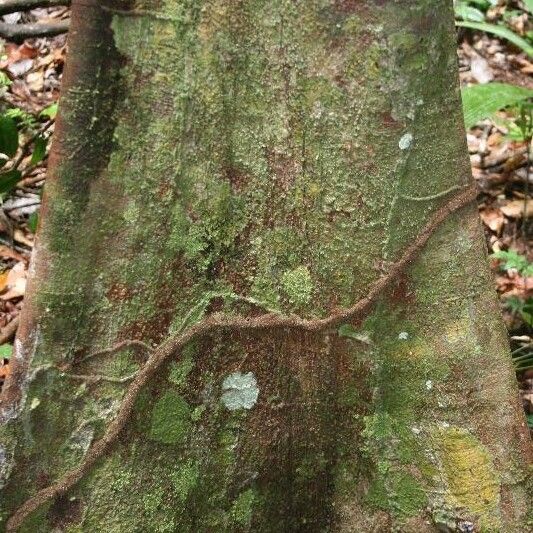
Plant Overview
Known as a member of the "Incense Tree" family, Protium subserratum is a fragrant treasure of the South American rainforests. It is a close relative of Frankincense and Myrrh, often referred to by locals as Breu or Copal. For centuries, indigenous communities have tapped its trunk for a milky, aromatic resin that is used for everything from healing ointments to ceremonial incense that "clears the air" of bad spirits.
🔍 How to Identify
- 🍃 The Leaf Edge: The name subserratum refers to its foliage; look for long, compound leaves with leaflets that have very fine, subtle "teeth" or serrations along the margins.
- 🪵 The Fragrant Resin: If the bark is slightly nicked, it exudes a white, sticky, and highly aromatic resin that smells of citrus, pine, and earth.
- 🍒 The Fruit: It produces small, fleshy drupes (fruit) that transition from green to a deep reddish-purple, which are a favorite snack for tropical birds and monkeys.
🏡 In Your Garden
- ☁️ Tropical Humidity: This is not a "set and forget" houseplant. It thrives in high-humidity environments and constant warmth; in drier climates, it requires regular misting or a dedicated greenhouse space to prevent leaf drop.
- 🌱 Well-Drained Soil: In the wild, it often grows in sandy or well-draining forest soils. It hates "wet feet," so ensure your potting mix includes perlite or orchid bark to allow the roots to breathe while staying moist.
⚠️ Safety & Toxicity
- ✅ Generally Safe: Protium subserratum is not known to be poisonous to humans upon touch. In fact, its resin is frequently used in traditional Amazonian medicine.
- 🐾 Pet Sensitivity: While not listed as a high-risk toxin, the resin is rich in essential oils and terpenes. If a pet chews the bark or leaves, the concentrated oils could cause localized irritation or an upset stomach.
✨ Fun Fact
The resin from this tree is so flammable and long-burning that it is often used as a "natural flashlight." In the Amazon, chunks of the hardened resin are wrapped in palm leaves to create torches that stay lit even in damp, rainy conditions!

Detailed Care Instructions
Growing Protium subserratum, a tree species native to the Amazon rainforest, can be an interesting endeavor. This tree, known for its fragrant resin, is now widely cultivated for various uses, including aromatic products and traditional medicine. Here’s a guide to help you grow Protium subserratum:
Climate and Conditions
Protium subserratum thrives in tropical climates. Ensure that the environmental conditions are suitable before starting:
- Temperature: Preferably between 20°C-30°C (68°F-86°F).
- Humidity: High humidity levels, typical of rainforests.
- Rainfall: Regular rainfall is ideal. If you’re growing it outside its natural habitat, ensure consistent watering to mimic natural conditions.
Soil Requirements
- Type: Well-draining, fertile soil rich in organic matter.
- pH: Slightly acidic to neutral (pH 5.5-7).
- Preparation: Amend soil with compost or well-rotted manure to improve its fertility.
Seeding and Planting
- Seeds: Obtain fresh seeds, as they have a better germination rate.
- Sowing:
- Scarification: Lightly scarify the seeds to improve germination rates.
- Soaking: Soak seeds in water for 24 hours.
- Planting Depth: Sow seeds about 1-2 cm deep in the soil.
- Spacing: If planting multiple trees, space them adequately to allow full canopy expansion.
Germination and Early Growth
- Scarification: Lightly scarify the seeds to improve germination rates.
- Location: Choose a location with partial shade for the saplings as they are initially understory plants.
- Watering: Keep the soil consistently moist but not waterlogged.
- Germination Time: Seeds usually germinate within a few weeks to a couple of months.
Care and Maintenance
- Watering: Consistent watering is crucial. Ensure the soil remains moist, especially during dry periods.
- Mulching: Apply organic mulch around the base of the tree to retain soil moisture and suppress weeds.
- Fertilizing: Use a balanced, organic fertilizer periodically to ensure proper nutrition. Avoid over-fertilizing as it can harm the young plants.
- Pruning: Prune any dead or diseased branches to maintain plant health and encourage proper growth.
Pests and Diseases
- Monitoring: Regularly inspect the plant for pests like aphids, caterpillars, or diseases such as fungal infections.
- Control: Utilize natural pest control methods, like neem oil or insecticidal soap, if necessary.
Gradual Transition to Full Sun
As the tree grows, it can gradually adapt to fuller sunlight conditions. Monitor leaf health to ensure it’s not getting sunburned.
Long-term Care
- Growth Rate: Protium subserratum can grow relatively fast under optimal conditions.
- Resin Harvesting: After several years of growth, the tree will produce resin that can be harvested by making incisions in the bark. Ensure not to over-exploit the tree to maintain its health.
By following these guidelines, you should be able to successfully grow Protium subserratum and enjoy its unique characteristics.

Place in a bright room that is sun drenched almost all day. Or directly in a south-facing window.

Watering Protium subserratum requires careful attention to its natural habitat and specific needs. Here’s a detailed guide:
### Understanding Its Natural Habitat
Protium subserratum thrives in tropical rainforest environments, characterized by consistent, high humidity and well-drained soils. Replicating these conditions in a controlled environment will promote healthy growth.
### Watering Guidelines
1. Frequency:
- Tropical Climates: Water regularly to maintain a consistently damp environment.
- Temperate Climates: Water whenever the top inch of soil begins to dry out (approximately once or twice a week, depending on indoor conditions).
2. Water Quality:
- Use filtered or rainwater to avoid chemical buildup from tap water.
- Ensure that the water is at room temperature to avoid shocking the plant.
3. Method:
- Direct Soil Watering: Water thoroughly until it begins to drain out of the bottom to ensure the entire root system gets moisture. Avoid waterlogging by ensuring the pot has adequate drainage holes.
- Mist Spraying: Regularly mist the leaves in addition to soil watering to maintain high humidity levels, especially in dry climates or during winter with indoor heating.
4. Potting and Soil:
- Use well-aerated, well-draining soil mixtures to prevent root rot and other moisture-related issues.
- If potting, choose containers that allow good air circulation and have proper drainage features.
5. Signs of Overwatering/Underwatering:
- Overwatering: Yellowing leaves, moldy soil surface, or root rot.
- Underwatering: Wilting or dry, brown leaf edges.
6. Climate Considerations:
- High humidity areas require less frequent, but still consistent watering.
- In dry areas, increase misting and ensure the soil doesn't dry out completely between watering.
### Seasonal Adjustments
- Growing Season (Spring/Summer): Increase frequency slightly due to higher evaporation rates and increased metabolic activity.
- Dormant Season (Fall/Winter): Decrease frequency but maintain regular misting since indoor air tends to be drier.
By closely mimicking the tropical rainforest conditions and paying attention to the plant's hydration signals, you can ensure that Protium subserratum receives the appropriate amount of water for healthy growth.
Here are some fertilizing instructions for Protium subserratum:
- Soil Testing: Before you begin fertilizing, consider getting a soil test to understand the nutrient composition of your soil. This will guide you in choosing the right type of fertilizer.
- Type of Fertilizer: Use a balanced, slow-release granular fertilizer with an equal ratio of nitrogen, phosphorus, and potassium (e.g., 10-10-10 or 14-14-14). Alternatively, you can use an organic fertilizer like compost or well-aged manure, which will also improve soil structure and microbial activity.
- Application Timing: Fertilize in early spring, just as new growth begins. This timing provides nutrients when the plant is in its most active growth phase. You can repeat the application in the mid-summer if you notice sluggish growth or nutrient deficiencies.
- Application Rate: Follow the instructions on the fertilizer packaging. Avoid over-fertilizing, as this can lead to nutrient imbalances or potential harm to the plant. Generally, a few handfuls of granular fertilizer spread evenly around the base of the plant is adequate, but precise amounts may vary based on the fertilizer type and your specific plant's needs.
- Method of Application:
- Granular Fertilizer: Evenly spread the granular fertilizer around the base of the plant, extending out to the drip line (the area under the outer circumference of the branches). Lightly work it into the top few inches of soil with a rake or hand tool to help the nutrients penetrate the soil.
- Liquid Fertilizer: If using a liquid fertilizer, dilute it according to the manufacturer's instructions and apply it evenly to the soil around the plant's base. Avoid wetting the foliage to prevent potential burn.
- Granular Fertilizer: Evenly spread the granular fertilizer around the base of the plant, extending out to the drip line (the area under the outer circumference of the branches). Lightly work it into the top few inches of soil with a rake or hand tool to help the nutrients penetrate the soil.
- Watering: Water the plant thoroughly after applying fertilizer to help the nutrients penetrate the soil and reach the plant's roots.
- Monitoring: Observe the plant for signs of deficiency or excess nutrients, such as yellowing leaves, poor growth, or leaf burn. Adjust your fertilizing schedule and amounts accordingly.
- Mulching: Consider adding a layer of mulch around the base of the plant to help retain moisture, regulate soil temperature, and gradually provide organic matter as it decomposes.
By following these guidelines, you can help ensure that Protium subserratum receives the nutrients it needs for healthy growth.
Protium subserratum thrives best in well-draining soil that mimics its natural tropical rainforest habitat. Here's an in-depth guide on the soil characteristics suitable for this plant:
- Soil Composition:
- Loamy Soil: This soil type is ideal due to its balanced mixture of sand, silt, and clay. It allows for good drainage while retaining sufficient moisture and nutrients.
- Organic Matter: Enrich the soil with a good amount of organic matter such as compost or well-rotted manure. This enhances nutrient content and moisture retention.
- Loamy Soil: This soil type is ideal due to its balanced mixture of sand, silt, and clay. It allows for good drainage while retaining sufficient moisture and nutrients.
- pH Level:
- Aim for slightly acidic to neutral pH (around 6.0 to 7.0). You can test the soil’s pH and amend it accordingly using lime to neutralize acidic soil or sulfur to reduce alkalinity.
- Aim for slightly acidic to neutral pH (around 6.0 to 7.0). You can test the soil’s pH and amend it accordingly using lime to neutralize acidic soil or sulfur to reduce alkalinity.
- Drainage:
- Ensure the soil has good drainage to prevent waterlogging, which can lead to root rot. This can be achieved by adding coarse sand or perlite to the soil mix.
- Ensure the soil has good drainage to prevent waterlogging, which can lead to root rot. This can be achieved by adding coarse sand or perlite to the soil mix.
- Nutrient Content:
- Protium subserratum benefits from nutrient-rich soil. Periodic application of a balanced, slow-release fertilizer or organic fertilizers can help maintain nutrient levels.
- Protium subserratum benefits from nutrient-rich soil. Periodic application of a balanced, slow-release fertilizer or organic fertilizers can help maintain nutrient levels.
- Mulching:
- Use organic mulch like bark chips or leaf litter around the base of the plant. Mulching helps retain soil moisture, regulate temperature, and gradually adds organic matter to the soil as it decomposes.
By providing these soil conditions, you can support the healthy growth and development of Protium subserratum, ensuring it thrives in its cultivated environment.
- Use organic mulch like bark chips or leaf litter around the base of the plant. Mulching helps retain soil moisture, regulate temperature, and gradually adds organic matter to the soil as it decomposes.
Propagating Protium subserratum involves several steps to ensure successful growth. Here's a detailed guide for both seed propagation and vegetative propagation techniques:
Seed Propagation:
- Seed Collection:
- Collect ripe fruits from healthy mature trees. The fruits typically mature during the rainy season.
- Extract the seeds from the pulp; this can be done by soaking the fruits in water and then scrubbing them to remove the pulp.
- Collect ripe fruits from healthy mature trees. The fruits typically mature during the rainy season.
- Seed Preparation:
- Clean the seeds thoroughly to avoid fungal infection.
- Fresh seeds generally have better germination rates.
- Clean the seeds thoroughly to avoid fungal infection.
- Seed Treatment:
- Soak the seeds in water for 24 hours to soften the seed coat and enhance germination.
- Soak the seeds in water for 24 hours to soften the seed coat and enhance germination.
- Sowing:
- Use a well-draining potting mix comprising equal parts of sand, potting soil, and organic compost.
- Sow the seeds about 1-2 cm deep in the soil.
- Space the seeds to avoid overcrowding; each seed should be planted at least 3-4 cm apart.
- Use a well-draining potting mix comprising equal parts of sand, potting soil, and organic compost.
- Watering and Care:
- Water the seeds gently but thoroughly.
- Maintain soil moisture consistently but avoid waterlogging.
- Place the seed containers in a warm, shaded area with indirect light.
- Protect the seeds from direct sunlight and heavy rainfall.
- Water the seeds gently but thoroughly.
- Germination:
- Germination may take a few weeks to a couple of months depending on environmental conditions.
- Once seedlings emerge, gradually expose them to more light.
- Germination may take a few weeks to a couple of months depending on environmental conditions.
- Transplantation:
- When seedlings reach a height of about 10-15 cm and have several true leaves, they can be transplanted.
- Carefully transplant seedlings to individual pots or directly into the ground, ensuring they have adequate space to grow.
Vegetative Propagation (Cuttings):
- When seedlings reach a height of about 10-15 cm and have several true leaves, they can be transplanted.
- Cutting Selection:
- Select healthy, non-flowering stems from a mature plant. Ideally, choose semi-hardwood cuttings about 15-20 cm long.
- Select healthy, non-flowering stems from a mature plant. Ideally, choose semi-hardwood cuttings about 15-20 cm long.
- Cutting Preparation:
- Using a sterilized knife or scissors, cut the stem just below a node.
- Remove the leaves from the lower half of the cutting to minimize water loss and reduce the risk of fungal infection.
- Using a sterilized knife or scissors, cut the stem just below a node.
- Rooting Hormone:
- Dip the cut end of the stem in a rooting hormone powder to increase the chances of successful root development.
- Dip the cut end of the stem in a rooting hormone powder to increase the chances of successful root development.
- Planting the Cuttings:
- Prepare a rooting medium using a mixture of sand, perlite, and peat moss (equal parts).
- Insert the cuttings into the medium so that at least one node is buried.
- Firm the medium around the cuttings and water lightly.
- Prepare a rooting medium using a mixture of sand, perlite, and peat moss (equal parts).
- Care and Environment:
- Maintain high humidity around the cuttings by covering them with a plastic bag or placing them in a propagation chamber.
- Ensure the cuttings receive indirect light and are kept in a warm environment.
- Maintain high humidity around the cuttings by covering them with a plastic bag or placing them in a propagation chamber.
- Root Development:
- Monitor the cuttings regularly, misting them to maintain humidity and checking for root development.
- Roots typically start to form within a few weeks.
- Monitor the cuttings regularly, misting them to maintain humidity and checking for root development.
- Transplanting:
- Once the cuttings have developed a strong root system, they can be transplanted into individual pots or directly into the ground.
- Gradually acclimate the young plants to normal growing conditions.
Regardless of the propagation method, providing the right environmental conditions and proper care is crucial for the successful growth of Protium subserratum. Regular monitoring for pests and diseases, along with providing adequate nutrients, will help ensure the health and vigor of the new plants.
- Once the cuttings have developed a strong root system, they can be transplanted into individual pots or directly into the ground.








