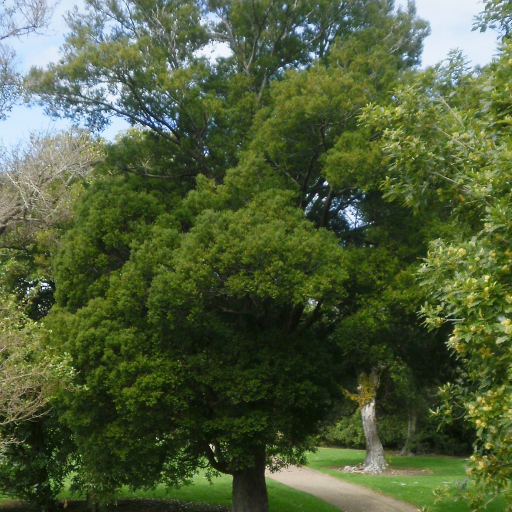
Plant Overview
Known affectionately as Miro or the "Brown Pine," Prumnopitys ferruginea is a majestic, slow-growing conifer native to the lush temperate rainforests of New Zealand. This ancient tree belongs to the Podocarp family, a lineage of plants that has existed since the time of the dinosaurs. With its feathery foliage and vibrant red "berries," the Miro is a cornerstone of its ecosystem, acting as a vital food source for native birds.
🔍 How to Identify
- 🌿 Feathery Foliage: The leaves are flat, narrow, and arranged in two rows along the twig, giving them a soft, fern-like appearance. They are typically dark green with a distinct "rusty" or brownish-red tint on the underside.
- 🪵 Hammered Bark: On mature trees, the bark is a dark greyish-brown and tends to flake off in thick, rounded "scales," leaving behind a textured pattern that looks like hammered metal.
- 🍒 Resinous Fruit: Unlike typical pine cones, the Miro produces fleshy, oval seeds that turn a brilliant bright red or purplish-red when ripe. They have a very distinct, sharp smell of turpentine or resin.
🏡 In Your Garden
- 🌱 Slow and Steady: If you are planting a Miro, patience is your best friend. It is incredibly slow-growing, often taking decades to reach a significant height. This makes it a great "legacy" tree for a large garden, but it is not suitable for quick privacy screening.
- 💧 Root Sensitivity: Miro trees have a sensitive root system and generally dislike being moved once established. They thrive in deep, cool, moist soils and prefer a "nurse" environment—meaning they like to grow in the shade of other trees while they are young before emerging into the full sun.
⚠️ Safety & Toxicity
- 🟢 Generally Safe: There are no known major toxicities associated with touching or handling the Miro tree for humans or pets.
- 👅 Resinous Taste: While the fleshy covering of the seed is technically edible and was traditionally used by indigenous Māori, it has a very strong, medicinal, and resinous flavor that most modern palates find unpleasant. The internal seed should not be consumed in large quantities.
✨ Fun Fact
The Miro is the "superfood" of the New Zealand bush for the Kererū (the large New Zealand wood pigeon). These birds are the only ones with a beak wide enough to swallow the large Miro seeds whole. In a beautiful symbiotic relationship, the bird gets a high-energy meal, and the tree gets its seeds dispersed far and wide across the forest floor!

Detailed Care Instructions
To grow Prumnopitys ferruginea plant, often known as mataī, you can follow these steps:
- Seed Selection: Obtain seeds from a reputable native plant nursery. Look for fresh seeds that have been stored properly.
- Germination: Soak the seeds in warm water for 24 hours prior to sowing. This helps to soften the seed coat and increase germination rates.
- Preparing the Growing Medium: Use a well-draining potting mix that contains a high percentage of organic matter. Mataī prefers slightly acidic soils, so ensure the pH is around 5.5 to 6.5.
- Sowing Seeds: Plant the seeds in pots or seed trays, burying them at a depth of approximately 1-2 cm. For better germination rates, use bottom heat to maintain a temperature of around 20-25°C (68-77°F).
- Light and Moisture: Place the pots or trays in a warm, well-lit spot with indirect sunlight. Keep the soil consistently moist, but not waterlogged. Mist the surface regularly to ensure sufficient moisture.
- Transplantation: After germination, allow the seedlings to develop and grow for about six to eight weeks. At this stage, when they have a few sets of true leaves, transplant them into individual containers or into a prepared garden bed. Choose a location that receives partial shade.
- Care and Maintenance: Water the plants regularly, especially during the dry periods of summer. Mulch around the base of the young tree to retain moisture. Avoid excessive fertilization, as it can be harmful to the mataī plant.
- Pruning: As the plant grows, remove any overcrowded or weak branches to maintain an open structure. This helps to promote good airflow and reduces the risk of diseases.
- Protection: Protect young trees from extreme weather conditions such as frost or strong winds. Provide shelter or cover as needed until the plant becomes more established.
- Patience: Prumnopitys ferruginea has a slow growth rate, so it requires patience. It can take several years for the plant to reach a reasonable size.
Remember to check and follow any regulations or guidelines regarding the cultivation of native plants in your region.

Place in a bright room that is sun drenched almost all day. Or directly in a south-facing window.

The Prumnopitys Ferruginea plant prefers to be watered consistently and deeply. Before watering, check the soil to ensure that the top inch of soil is dry to the touch. When watering, apply water slowly and directly to the soil around the base of the plant, avoiding getting water on the foliage. Water until the soil is moist but not soggy. To prevent over-watering, allow the soil to dry out slightly between watering. Use a well-draining potting soil to prevent waterlogging and root rot. During periods of high heat or dry weather, the plant may require more frequent watering.
To fertilize this plant, use a balanced fertilizer that has equal amounts of nitrogen, phosphorus, and potassium. Apply the fertilizer in the spring and again in the fall. Avoid over-fertilizing as it can cause the plant to become stressed. Water the plant before and after applying fertilizer to prevent burning the roots. It is also a good idea to add organic matter to the soil, such as compost, to provide additional nutrients.
Prumnopitys Ferruginea, a plant that belongs to the family of coniferous trees, requires a well-draining soil mix that is rich in organic matter. The use of sandy soils or heavy clay soils should be avoided as they do not assist in proper drainage. A suitable soil mix for this plant can be a blend of perlite, peat moss, and coarse sand which helps to retain water and provide aeration to the roots. The pH range of the soil should be slightly acidic to neutral, ranging from 5.5 to 7.0. It is essential to avoid exposing the roots to dampness, especially during winter, as it can cause root rot. Prumnopitys Ferruginea also requires regular fertilizing with a balanced liquid fertilizer during the growing season. Proper soil preparation and maintenance provide the best growing conditions for Prumnopitys Ferruginea.
- Obtain a healthy Prumnopitys Ferruginea plant from a nursery or by collecting its seeds in the wild.
- Prepare a well-draining soil mix consisting of peat, perlite, and sand in a ratio of 2:1:1.
- Fill a small pot or seed tray with the soil mix.
- Sterilize the soil mix by heating it in an oven at 180°C for 30 minutes or boiling it for 20 minutes.
- Moisten the soil mix with distilled water until it is evenly moist but not waterlogged.
- Sow the seeds or cuttings in the soil mix, burying them to a depth equal to their diameter.
- Cover the pot or tray with a clear plastic lid or plastic wrap to maintain humidity and warmth.
- Place the pot or tray in a warm, bright location out of direct sunlight.
- Monitor the soil moisture and temperature regularly and water and adjust as necessary.
- After 2-4 weeks, check for germination or rooting by gently tugging on the plant material to see if it has taken root.
- Once rooted or germinated, remove the plastic lid and continue to care for the young plants.
- Transplant the young plants to larger pots or the garden once they are large enough to handle.








