Plant Overview
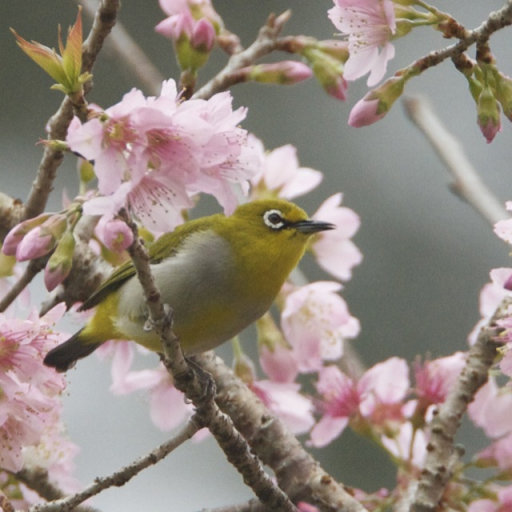
Often called the Wild Himalayan Cherry, Prunus cerasoides is a deciduous marvel that defies the standard floral calendar. While most cherry blossoms announce the arrival of spring, this mountain-dweller paints the Himalayan foothills in shades of soft pink during the autumn and early winter months. Known locally as "Padam," it is a tree of great spiritual significance and resilience, often found clinging to slopes at high altitudes.
🔍 How to Identify
- 🌸 The Bloom: Clusters of bell-shaped flowers that range from pale pink to nearly white. Unlike many cherries, these appear while the tree is dropping its leaves or is entirely bare.
- 🍃 The Foliage: Long, oval leaves with finely serrated (toothed) edges and a glossy upper surface. In the autumn, they turn a vibrant yellow or red before falling.
- 🪵 The Bark: Smooth, polished-looking bark that is reddish-brown or silver-grey, marked by prominent horizontal lines called lenticels.
🏡 In Your Garden
- ⛰️ Highland Heritage: Because it originates in the Himalayas, this tree thrives in temperate climates. It is more heat-tolerant than the Japanese Sakura, but it still requires a distinct "chill period" in the winter to trigger its unusual blooming cycle.
- 💧 Drainage is Key: It is highly sensitive to "wet feet." Plant it in well-draining, slightly acidic soil. Once established, it is remarkably drought-resistant due to its deep-reaching root system, but it hates being moved—choose its permanent home carefully.
⚠️ Safety & Toxicity
- 🍒 The Fruit: The small, tart cherries are technically edible when fully ripe, though they are mostly stones with very little flesh.
- 🚫 The Danger: Like all members of the Prunus genus (including peaches and apricots), the leaves, stems, and especially the seeds/pits contain cyanogenic glycosides. If crushed or chewed, these can release cyanide. Keep curious pets and children away from fallen wilted leaves or pits.
✨ Fun Fact
In Hindu culture, the wood of the Wild Himalayan Cherry is considered sacred and is associated with the god Shiva. The seeds are often polished and strung together to create prayer beads (malas), as they are believed to possess protective spiritual energy.

Detailed Care Instructions
To grow a Prunus Cerasoides plant, commonly known as wild Himalayan cherry or sour cherry, follow these steps:
- Obtaining seeds or saplings: You can purchase prunus cerasoides seeds or saplings from a local nursery or online plant stores. Select healthy and viable seeds or saplings for better growth.
- Planting seeds: If you have prunus cerasoides seeds, soak them in water overnight to aid germination. Fill a small pot with well-draining soil mixed with organic compost. Sow the seeds in the pot, covering them with a thin layer of soil. Water the pot lightly, keeping the soil moist but not soggy. Place the pot in a warm and sunny location.
- Caring for young seedlings: Once the seedlings emerge, ensure they receive adequate sunlight, around 6-8 hours per day. Water the seedlings regularly, keeping the soil moist but not waterlogged. Provide a well-balanced fertilizer every two weeks during the growing season.
- Transplanting saplings: If you purchased saplings, plant them in a spacious hole in the ground or a larger pot. The saplings should be planted at the same depth as they were in the original container. Ensure the soil is well-draining, rich in organic matter, and placed in a sunny location.
- Watering and fertilizing: Water the prunus cerasoides regularly, especially during dry periods. Ensure the topsoil remains moist but avoid waterlogging. Fertilize once a year with a balanced slow-release fertilizer during the growing season.
- Pruning and shaping: Prunus cerasoides may require occasional pruning to remove dead or diseased branches and to shape the tree. Trim the tree during the dormant season to promote healthy growth.
- Protecting from pests and diseases: Prunus cerasoides may be susceptible to pests like aphids and diseases like fungal infections. Monitor the plant regularly, and if any issues are detected, treat them promptly with appropriate pesticides or organic remedies.
- Harvesting fruits (optional): Prunus cerasoides produces small, red fruits that are edible but sour. If you desire to harvest the fruits, wait until they ripen and become a dark red color. They can be used in recipes like jams, jellies, or pies.
Remember, Prunus cerasoides is a relatively hardy plant, but it thrives in higher altitude regions with cooler temperatures. Provide proper care and suitable growing conditions, and you should be able to successfully grow this beautiful cherry tree.

Place in a bright room that is sun drenched almost all day. Or directly in a south-facing window.

To properly water this plant, it is important to take into account the environment in which it is growing. Factors such as temperature, humidity, and sunlight will all affect the plant's water needs. It is generally recommended to water deeply, but infrequently to prevent over-watering and root rot. Allow the soil to dry out slightly between watering, but do not let it completely dry out. It is also important to avoid getting water on the leaves, as this can lead to fungal growth. Consider using a watering can or soaker hose to target the roots directly. Monitor the plant's growth and adjust watering as needed.
To fertilize this plant, you should use a balanced, slow-release fertilizer with equal parts nitrogen, phosphorous, and potassium. Apply the fertilizer in early spring, just before new growth begins, and again in early summer. Mix the fertilizer thoroughly into the soil or apply it as a top dressing around the base of the plant. Water the plant thoroughly after applying fertilizer to help it absorb the nutrients. Avoid over-fertilizing, as this can lead to excessive growth and weaken the plant.
The ideal soil for Prunus Cerasoides plant should be well-draining and rich in organic matter. It should have a pH level in the range of 5.5 to 6.5, which is slightly acidic. The soil should also be able to retain moisture without becoming waterlogged to avoid the risk of root rot. A mixture of sand, peat moss, and perlite can be added to improve drainage and aeration while maintaining moisture levels. When planting Prunus Cerasoides, it is important to ensure that the soil is loose and free from clumps that may restrict root growth. Additionally, the soil should be enriched with fertilizers to provide the plant with essential nutrients for growth and development.
Propagation of this plant can be achieved through various methods such as seed propagation, cutting propagation, and grafting.
Seed propagation involves collecting mature seeds from the plant and sowing them in well-draining soil. The seeds should be sown at a depth of approximately 1 to 2 times their diameter and kept moist until germination occurs.
Cutting propagation involves taking stem cuttings from the plant and rooting them in a suitable rooting hormone. The stems should be taken in the spring or autumn, and the cuttings should be around 10-15cm long with several nodes. The cuttings can be potted in well-draining soil and kept in a warm and humid environment until roots form.
Grafting involves joining a scion from a desired plant onto the rootstock of another plant. This method is often used to propagate specific varieties of the plant with desirable characteristics.
Regardless of the propagation method chosen, it is important to ensure that the plant has suitable soil, light, and water conditions to promote healthy growth.








