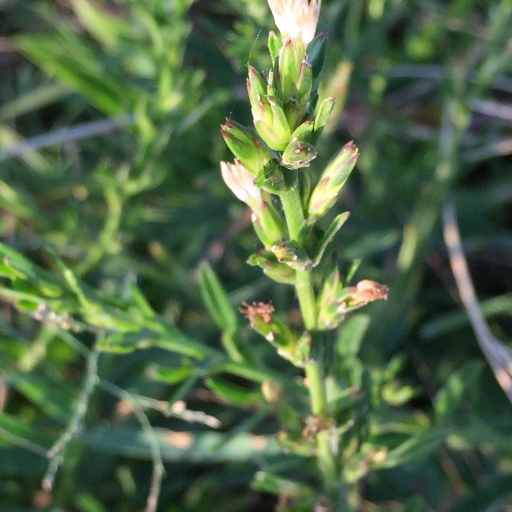
Plant Overview
Often called "False Elephant’s Foot" or "Tobacco Weed," this resilient perennial is a master of survival in tropical and subtropical climates. Native to the Americas but now found across the globe, it earned its name from the way its broad, tough leaves spread out across the ground like a heavy footprint. While some gardeners view it as a stubborn weed, it has a long history of use in traditional folk medicine across the Caribbean and Asia.
🔍 How to Identify
- 🍃 The Rosette: The most distinctive feature is the basal rosette—a circle of tough, oblong leaves that sit flat against the soil, often escaping the blades of lawnmowers.
- 🌸 Spiked Blooms: Unlike its cousins, this species produces flowers along a tall, stiff, terminal spike. The individual flower heads are tiny, typically white or a very pale lavender.
- 🧤 Bristly Texture: The entire plant is covered in fine, stiff hairs. If you run your finger along the leaves, they feel rough and sandpapery to the touch.
🏡 In Your Garden
- 🌱 Soil Specialist: This plant thrives in "disturbed" ground. If you see it appearing in your lawn, it often indicates that the soil is somewhat compacted or that there are bare patches where other grasses are struggling.
- ☀️ Sun Seeker: It is incredibly drought-tolerant once established. It uses its deep taproot to find moisture during dry spells, allowing it to stay green while surrounding weeds wither.
⚠️ Safety & Toxicity
- 🐾 Low Risk: Pseudelephantopus spicatus is not known to be highly toxic, but it is not a culinary herb. Ingesting large amounts may lead to mild stomach upset for pets or livestock.
- 🧴 Skin Irritation: The "bristly" nature of the plant can cause mechanical irritation. If you have sensitive skin, the stiff hairs may cause a slight itchy sensation after weeding without gloves.
✨ Fun Fact
In parts of Southeast Asia, this plant is known as "Tapak Liman." It is so deeply rooted in local culture that it is frequently used in traditional "Jamu" (herbal medicine) tonics, believed to help reduce fevers and act as a natural anti-inflammatory.

Detailed Care Instructions
To grow Pseudelephantopus Spicatus, also known as elephant's foot, follow these steps:
- Choose the right location: Pick a spot in your garden that receives full sun to partial shade. The plant prefers warm temperatures and well-drained soil.
- Prepare the soil: Before planting, amend the soil with organic matter like compost to improve drainage and fertility. Elephant's foot can tolerate a range of soil types but prefers slightly acidic to neutral soil.
- Sow seeds or plant seedlings: If you have seeds, sow them directly into the garden bed at a depth of about 1/8 inch. If you have seedlings, dig a hole slightly larger than the root ball and place the plant in it. Space the plants about 12-18 inches apart.
- Watering: Water the newly planted seeds or seedlings thoroughly to help settle the soil and encourage root establishment. After that, water the plant regularly, especially during dry spells. But take care not to overwater or leave the soil waterlogged.
- Mulching: Apply a layer of organic mulch around the base of the plant to conserve moisture, suppress weeds, and provide organic nutrients. This will help keep the roots cool during hot weather.
- Fertilization: Elephant's foot does not require heavy fertilization. However, you may apply a balanced, slow-release fertilizer once or twice a year during the growing season to promote healthy growth.
- Pruning: Trim off any dead or damaged leaves as necessary. You can also prune the plant to control its size or promote bushier growth. Pruning after flowering can help renew the plant and encourage new growth.
- Pests and diseases: Pseudelephantopus Spicatus is generally not prone to major pest or disease problems. However, keep an eye out for common garden pests like aphids, mealybugs, or spider mites. If necessary, treat the infestation with organic insecticidal soap or neem oil.
- Propagation: If you want to propagate more plants, you can divide established clumps in early spring or take stem cuttings in summer and root them in a well-draining potting mix.
- Enjoy the flowers: Pseudelephantopus Spicatus produces small, white, daisy-like flowers that are loved by bees and butterflies. Once in bloom, sit back and enjoy the beauty and wildlife it attracts.
Remember to adapt these steps according to your local climate and growing conditions.

Place in a bright room that is sun drenched almost all day. Or directly in a south-facing window.

To water this plant, you should first consider its watering needs. Pseudelephantopus Spicatus thrives in moist soil, so you will need to keep it consistently watered. This plant does not like to sit in standing water, so be mindful not to overwater it. A good rule of thumb is to water it deeply once a week, allowing the soil to drain completely before watering again. You can check the moisture level of the soil by inserting a finger into the soil about an inch deep. If the soil feels dry, it's time to water. Lastly, be sure to water the soil directly, rather than the leaves or flowers of the plant, as this can lead to fungal growth and disease.
- Choose a balanced fertilizer: Select a general-purpose fertilizer with equal or near-equal amounts of nitrogen (N), phosphorus (P), and potassium (K). It should also contain trace elements such as iron, magnesium, and zinc.
- Dilute the fertilizer: Follow the instructions on the fertilizer packaging to determine the appropriate dilution ratio. Generally, a 1:2 or 1:4 ratio is recommended for houseplants.
- Water the plant: Before applying fertilizer, thoroughly water the soil so that it is moist but not waterlogged. This helps prevent any potential root burn.
- Apply the fertilizer: Pour the diluted fertilizer solution evenly around the base of the plant, avoiding direct contact with the leaves or stems. Ensure that the entire root zone is covered.
- Avoid over-fertilizing: Only fertilize the plant according to the recommended frequency, usually every 4-6 weeks during the growing season (spring and summer). For indoor plants, fertilize even less frequently during the dormant period (fall and winter) or suspend fertilization altogether.
- Monitor the plant's response: Keep an eye on the overall health and growth of the plant. If you notice any signs of fertilizer burn (e.g., yellowing or wilting leaves), reduce the amount or frequency of fertilization.
- Rinse the soil periodically: To avoid a buildup of excess salts and minerals from the fertilizer, periodically flush the soil by thoroughly watering the plant without added fertilizer. This helps prevent potential damage to the roots.
- Adjust based on the plant's needs: Depending on environmental conditions and the specific requirements of the Pseudelephantopus Spicatus plant, you may need to adjust the fertilizer application rate or frequency. Always consider the plant's individual needs when caring for it.
The ideal soil for Pseudelephantopus Spicatus plant should be well-draining and fertile. It should be composed of a mixture of organic matter such as compost or well-rotted manure, sand, and loam. The pH level of the soil should range between 6.0 to 7.5. The plant prefers a slightly acidic to neutral soil. Additionally, the soil should have good aeration to allow for proper root growth. It is essential to avoid using heavy clay soils, as they can retain water and cause root rot. Adding perlite or vermiculite to the soil mix can improve drainage and aeration.
Propagation of Pseudelephantopus Spicatus can be achieved through various methods, such as by using seeds, stem cuttings, or division. Here are the detailed steps for each method:
- Seed Propagation:
- Collect mature seeds from the flowerheads of the Pseudelephantopus Spicatus plant.
- Sow the seeds in a well-draining potting mix, covering them lightly with a thin layer of soil.
- Water the soil gently to keep it moist but not waterlogged.
- Place the pots in a warm location with indirect sunlight.
- Germination may take several weeks, and once the seedlings have grown a few inches tall, they can be transplanted into individual pots or the desired planting location.
- Collect mature seeds from the flowerheads of the Pseudelephantopus Spicatus plant.
- Stem Cutting Propagation:
- Select a healthy and mature stem from the Pseudelephantopus Spicatus plant.
- Using a sterilized sharp knife or pruners, take a 4-6 inch long cutting just below a node (where leaves emerge).
- Remove the lower leaves from the cutting, leaving a few at the top.
- Dip the cut end in a rooting hormone powder to enhance root development (optional but recommended).
- Plant the cutting in a well-draining potting mix or a mixture of perlite and peat moss, ensuring that at least one node is buried in the soil.
- Mist the cutting with water and cover it with a plastic bag or clear container to create a greenhouse-like environment.
- Place the cutting in a warm and brightly lit area with indirect sunlight.
- Ensure the soil remains slightly moist, but avoid overwatering.
- After a few weeks, new roots should start to develop. Once substantial root growth is visible, the cutting can be transplanted into a larger container or the desired planting location.
- Select a healthy and mature stem from the Pseudelephantopus Spicatus plant.
- Division:
- Identify a mature Pseudelephantopus Spicatus plant with multiple shoots or clumps.
- Carefully dig around the plant's base, trying not to damage the roots.
- Lift the entire plant out of the ground and gently shake or wash off excess soil to expose the root structure.
- Inspect the roots, looking for natural divisions where the plant can be separated into smaller parts. Each section should have its own set of shoots and roots.
- Using a sterilized sharp knife or pruners, divide the plant into smaller sections, ensuring that each division has enough roots to support itself.
- Replant each divided section immediately in its new location, ensuring the roots are covered with soil and the shoots are above the ground.
- Water the newly divided plants thoroughly and provide them with appropriate sunlight and care according to their growing requirements.
By following these propagation methods, you can successfully grow new Pseudelephantopus Spicatus plants and enjoy their unique characteristics.
- Identify a mature Pseudelephantopus Spicatus plant with multiple shoots or clumps.








