Plant Overview
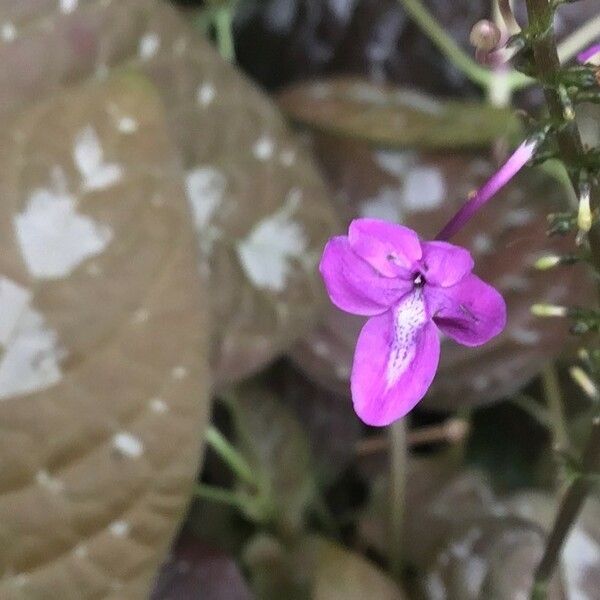
Often called the Chocolate Plant or Silver-veined Pseuderanthemum, this Mexican native is a showstopper for those who love "goth" foliage. With leaves so dark they look like they were dipped in molten cocoa, it brings a dramatic contrast to the typical sea of green in a houseplant collection. While it does produce delicate flowers, it is primarily prized for its metallic, moody leaves.
🔍 How to Identify
- 🍂 Leaf Color: Oval leaves that range from a deep, dusky copper to a rich chocolate-brown, often with a slight metallic sheen.
- 🥈 Vein Pattern: A striking silvery-white or pale mint "wing-like" pattern that radiates from the center of each leaf.
- 🌸 The Bloom: Small, tubular lavender or pale purple flowers that emerge on thin, upright spikes during the warmer months.
🏡 In Your Garden
- ☁️ Lighting Nuance: This plant is a master of the "Goldilocks" zone; direct, scorching sun will bleach its beautiful chocolate tones and burn the edges, while deep shade will cause the silver veins to fade into green. It thrives in bright, indirect light.
- 💧 Humidity Needs: Because it originates from tropical understories, it craves moisture. If the air is too dry, the leaf tips will turn crispy. It is a perfect candidate for a well-lit bathroom or a spot near a humidifier.
⚠️ Safety & Toxicity
- 🐾 Pet Safety: The Chocolate Plant is generally considered non-toxic to cats and dogs, making it a "worry-free" choice for pet owners.
- 👶 General Caution: While not known to be poisonous, ingesting any ornamental plant can cause mild stomach upset or nausea in small children. It’s always best to keep foliage out of reach of curious toddlers.
✨ Fun Fact
The species name alatum translates from Latin to "winged." This doesn't refer to birds, but rather the way the silver markings spread out from the leaf's midrib, resembling the delicate symmetry of a butterfly’s wings!

Detailed Care Instructions
To grow Pseuderanthemum Alatum plant, you can follow these steps:
- Planting: Choose a well-draining, nutrient-rich soil mix. Sow the seeds or plant small cuttings in pots or directly in the garden if the climate permits.
- Light: Place the plant in a location that receives partial shade to full sun. The Pseuderanthemum Alatum plant thrives in bright, indirect sunlight.
- Watering: Keep the soil consistently moist but not waterlogged. Water the plant when the top inch of the soil feels dry. It is important to maintain a balance as overwatering can lead to root rot.
- Humidity: Pseuderanthemum Alatum prefers high humidity. Mist the plant regularly or place a tray of water near the plant to increase humidity levels.
- Temperature: This plant prefers a warm climate. Maintain a temperature range between 18-30°C (65-85°F). Protect it from cold drafts or sudden temperature drops.
- Fertilizer: Feed the plant with a balanced, water-soluble fertilizer every two to four weeks during the growing season (spring to fall). Follow the package instructions for the correct dosage.
- Pruning: Regularly pinch back the growing tips to encourage bushy growth. Pruning also helps to maintain the plant's shape and eliminate any leggy growth.
- Propagation: Pseuderanthemum Alatum can be propagated by taking stem cuttings. Choose a healthy stem, remove the bottom leaves, and dip it in a rooting hormone. Plant the cutting in a pot with well-draining soil mix and keep it moist until roots develop.
- Repotting: As the plant grows, you may need to repot it into a larger container to accommodate its roots. This is usually required every 1-2 years.
- Pests and diseases: Keep an eye out for common pests like aphids, spider mites, and whiteflies. Treat the plant with insecticidal soap or neem oil if necessary. Ensure good air circulation to prevent fungal diseases.
By following these guidelines, you can successfully grow and maintain a healthy Pseuderanthemum Alatum plant.

Place in a window with dappled sun or a spot in the middle of a room. Or directly in a window facing west or east.

Pseuderanthemum Alatum requires regular watering to maintain its health and growth. The watering frequency depends on several factors such as the weather conditions, soil type, and the plant's size. It is recommended to water the plant deeply once a week in the absence of rainfall. However, during hot and dry weather, the plant may need more frequent watering.
To water the plant, pour water slowly over the soil until it starts draining from the bottom. It is important to avoid watering the foliage as it may lead to fungal diseases. Water should be poured directly onto the soil around the base of the plant.
Before watering, it is recommended to check the soil moisture level by inserting your finger about an inch deep into the soil. If the soil feels dry, it is an indication that the plant needs watering. However, if the soil feels damp, it is better to wait before watering.
To prevent waterlogging, it is important to ensure that the soil has good drainage. If the soil does not have good drainage, it is recommended to add perlite or sand to the soil mix to improve drainage.
It is also important to ensure that the plant is not kept in standing water as it can lead to root rot. Therefore, it is recommended to use a well-draining pot and to remove excess water from saucers or trays underneath the pot.
To fertilize this plant, use a water-soluble fertilizer with balanced NPK (nitrogen, phosphorus, and potassium) ratios. Dilute the fertilizer to half of the recommended strength and apply it to the soil every two weeks during the growing season. During the off-season, reduce the frequency of the fertilization to once a month. Avoid over-fertilizing, as it can lead to nutrient toxicity and cause the leaves to curl and yellow. Water the plant thoroughly before and after fertilization to prevent burning the roots.
The ideal soil for the Pseuderanthemum Alatum plant should be well-draining and well-aerated. It should be able to retain moisture without becoming waterlogged. Neutral or slightly acidic soil with a pH range of 6.0 to 7.5 is suitable for the plant's growth and development. The soil should be rich in organic matter to provide essential nutrients to the plant. Adding perlite or coarse sand can improve drainage and prevent waterlogging. A mixture of peat moss, compost, and garden soil can make an excellent potting mix for this plant. The soil should be loose and crumbly for proper root development. Additionally, the soil should be free from pests and diseases that could harm the plant. It is recommended to test the soil before planting and adjust the pH as required.
To propagate this particular plant, you will need to take stem cuttings. Follow these steps:
- Choose a healthy stem from the parent plant, preferably one that is young and has not yet produced flowers.
- Cut the stem at an angle just below a node on the plant. Make sure the cutting is at least 3-4 inches long.
- Remove any lower leaves from the cutting, leaving only 1-2 sets of leaves at the top.
- If possible, dip the end of the cutting in rooting hormone to promote root growth.
- Plant the cutting in a pot filled with well-draining soil, making sure to bury the stem up to the lowest set of leaves.
- Water the cutting thoroughly and place it in a warm, indirect light location.
- Keep the potting soil moist but not waterlogged, and mist the cutting occasionally to maintain humidity.
- After several weeks, you should start to see new growth indicating that roots have formed. You can then transplant the new plant into a larger pot or directly into the garden if desired.








