Plant Overview
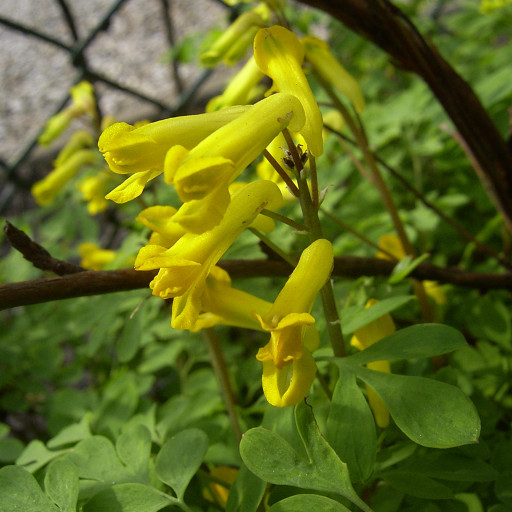
Known as the "Yellow Corydalis" or "Rock Fumitory," this charming perennial is the secret weapon of shade gardeners. Originally hailing from the limestone crevices of the Southern Alps, it has a fairy-tale-like ability to grow directly out of old stone walls and mortar. It is beloved for its incredibly long blooming season, often acting as a golden lantern in the garden from May until the first frost.
🔍 How to Identify
- 🌿 Fern-like Foliage: The leaves are delicate, lace-textured, and a soft blue-green color, closely resembling the leaves of a Maidenhair fern or oversized parsley.
- 🌼 Spurred Flowers: It produces dense clusters of bright, tubular yellow flowers. Each bloom has a tiny "spur" at the back, giving it a whimsical, elongated shape.
- ☁️ Cushion Habit: The plant grows in a soft, mounded shape. It rarely stands taller than 12 inches, creating a low-growing "cloud" of texture in garden borders.
🏡 In Your Garden
- 🧗 The Wall-Climber: This plant is an "obligate chasmophyte," meaning it naturally loves growing in cracks and fissures. It is perfect for rock gardens, stone steps, or "greening" a vertical retaining wall.
- 🌱 The Reluctant Traveler: It has a fragile, fleshy root system that deeply dislikes being moved. It is best to plant it where you want it to stay, or let it "choose" its own home through self-seeding.
- 💧 Drainage is Key: While it appreciates consistent moisture, stagnant water around the crown will cause it to rot. It prefers "cool and damp" rather than "wet and heavy."
⚠️ Safety & Toxicity
- 🚫 Mildly Toxic: Like many members of the Papaveraceae (Poppy) family, the plant contains isoquinoline alkaloids.
- 🐾 Pets & Kids: If ingested, it can cause stomach upset, vomiting, or lethargy. Because the foliage tastes quite bitter, most pets and even deer tend to leave it alone.
- 🧤 Skin Contact: Some sensitive individuals may experience mild skin irritation when handling the stems. Wearing gloves during pruning is recommended.
✨ Fun Fact
✨ The Yellow Corydalis is a "marathon bloomer." While most garden perennials have a specific three-week window for flowering, this plant can bloom continuously for five to six months straight if the summer doesn't get too scorchingly hot!

Detailed Care Instructions
| Humidity | Normal |
| Lighting | Part Sun |
| Difficulty | Medium |
| Hibernation | Cold Period |
| Hardiness Zones | 4 - 8 |
To grow Pseudofumaria lutea, also known as Yellow Corydalis or Yellow Fumewort, you can follow these steps:
- Choose a suitable location: This plant prefers partial shade to full shade. Select a location in your garden that receives indirect sunlight or dappled shade throughout the day. It can also tolerate morning sun but needs protection from harsh afternoon sun.
- Prepare the soil: Pseudofumaria lutea thrives in well-draining, fertile soil. Prepare the planting area by removing any weeds or rocks and loosen the soil to a depth of about 8-10 inches. Incorporate organic matter like compost or well-rotted manure to improve soil fertility and drainage.
- Planting: Sow the seeds in early spring or early autumn when the soil is still moist and temperatures are cooler. Scatter the seeds over the prepared bed and lightly cover them with a thin layer of soil. Space the seeds about 10-12 inches apart to allow sufficient room for growth.
- Watering: Keep the soil consistently moist, but not waterlogged, especially during the germination period, which is usually 2-4 weeks. After the plant is established, provide regular watering, especially during dry spells. Avoid excessive watering, as it can lead to root rot.
- Mulching and weed control: Apply a layer of organic mulch, such as wood chips or straw, around the base of the plants. Mulch helps retain moisture, suppress weed growth, and protect the roots from extreme temperatures.
- Fertilization: Pseudofumaria lutea doesn't require heavy feeding. However, you can apply a balanced, slow-release organic fertilizer in early spring to provide necessary nutrients. Follow the product instructions for appropriate application rates.
- Pruning: Prune back any dead or damaged foliage and spent flowers to promote new growth and maintain a neat appearance. This plant has a tendency to self-seed, so removing faded flowers can help in controlling its spread.
- Pests and diseases: Yellow Corydalis is generally resistant to pests and diseases. However, keep an eye out for aphids, snails, or slugs and take appropriate measures to control them if necessary.
By following these guidelines, you can successfully grow Pseudofumaria lutea and enjoy its delicate yellow flowers throughout the growing season.

Place in a window with dappled sun or a spot in the middle of a room. Or directly in a window facing west or east.

To properly water this plant, you should begin by examining the soil to determine if it is dry to the touch. If the soil is dry, water generously, making sure to saturate the soil until water begins to run out of the drainage holes. Do not allow the plant to sit in standing water. Watering frequency will depend on environmental conditions, such as humidity, temperature, and light intensity. It is important to avoid overwatering, as this can lead to root rot and other issues. It is also important to not allow the soil to become too dry for extended periods, as this can cause stress to the plant. Regularly monitoring the soil and adjusting watering as needed will help ensure the plant stays healthy and thrives.
To fertilize this plant, use a balanced fertilizer, such as a 10-10-10 NPK formula. Apply the fertilizer according to the manufacturer's instructions, typically every 4-6 weeks during the growing season. Be sure to water the plant well before and after fertilizing to prevent fertilizer burn. Avoid over-fertilizing, as this can damage the plant and lead to excessive growth or poor flowering.
The ideal soil for Pseudofumaria Lutea plants should be well-draining and moderately fertile. It should not be too heavy or too dense as this can lead to root rot and poor growth. A pH range of 6.0 to 7.5 is optimal for this plant, and a mix of organic compost, perlite, and vermiculite can improve soil texture and aeration. Additionally, a layer of mulch can help to retain moisture and prevent weed growth. When planting, the soil should be properly prepared with adequate nutrients and water, and the plant should be given regular care to ensure proper growth and development.
Propagation of this plant can be done through various methods such as division, cuttings, and seed sowing. One easy way to propagate this plant is through division, which involves separating the root system of an established plant into smaller sections and replanting them in new soil. Cuttings can also be taken from the stem of the plant and rooted in water or soil. Once the roots have developed, they can be transferred to a pot or garden bed. Seeds can be collected from the plant and sown into soil in the spring or fall, where they will germinate and grow into new plants. It is important to keep the soil moist and provide adequate light during propagation to ensure healthy growth.








