Plant Overview
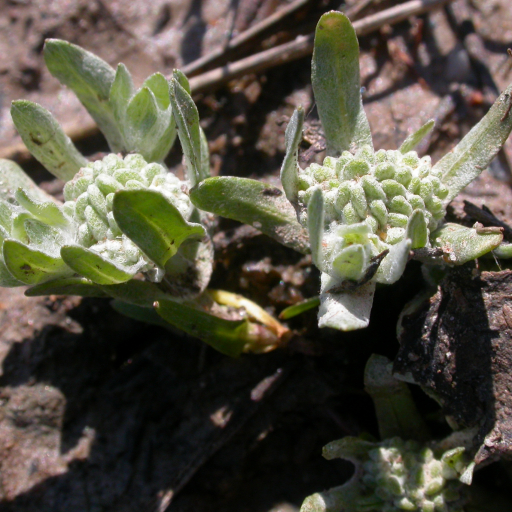
Often called the Dwarf Woolly-heads, this tiny annual is nature’s way of tucking miniature cotton balls into the mud. Found primarily in the drying beds of vernal pools across Western North America, it waits until the winter waters vanish to sprout its fuzzy, silver-grey foliage. It is a specialist of harsh, seasonal environments where most other plants would simply wither away.
🔍 How to Identify
- ☁️ The "Woolly" Head: The most striking feature is the dense, white, cobweb-like hairs that cover the flower heads, making them look like tiny puffs of wool or miniature clouds clinging to the soil.
- 📏 Compact Stature: True to its name brevissimus (meaning "shortest"), this plant is a true dwarf, rarely growing taller than a few inches and often forming small, sprawling mats.
- 🍃 Opposite Leaves: If you can peek through the fuzz, you’ll find small, narrow, lance-shaped leaves that grow in pairs directly across from one another along the stem.
🏡 Habitat & Ecology
- 💧 Vernal Pool Life: This plant is an "ephemeral" specialist. It germinates while submerged under cold winter rainwater and waits to bloom only when the pools dry up and the mud begins to crack in the spring sun.
- ☀️ Built-in Sunscreen: The thick white hairs aren't just for show; they reflect intense UV rays and trap a thin layer of humidity against the plant's skin, allowing it to thrive in baking-hot clay flats.
⚠️ Safety & Toxicity
- ✅ Status: Non-toxic and safe. There are no known reports of toxicity to humans, dogs, or cats.
- 🛡️ Ecological Sensitivity: While the plant itself isn't "dangerous," its habitat is. Vernal pools are fragile ecosystems; stepping on the drying mud can crush the dormant seeds of rare species, so it’s best to observe these woolly wonders from the trail.
✨ Fun Fact
The seeds of the Dwarf Woolly-head are essentially "buoyant hitchhikers." They are encased in specialized scales that trap tiny air bubbles, allowing the seeds to float on the surface of rising pool water to reach the muddy edges where they prefer to grow!

Detailed Care Instructions
To grow Psilocarphus brevissimus, also known as short-rayed alkali aster, follow these guidelines:
- Climate and soil: Psilocarphus brevissimus is a native plant of California, primarily found in saline, alkaline soil conditions. It thrives in well-drained, sandy soil. Make sure the planting location receives full sun exposure.
- Seeds: Obtain Psilocarphus brevissimus seeds from a reputable native plant nursery or online supplier. Collecting seeds from the wild may be against the law and can harm the local ecosystem.
- Preparing seeds: Psilocarphus brevissimus seeds require cold stratification to help with germination. Place the seeds in a sealed plastic bag with a moist paper towel and refrigerate for 2-3 weeks. This mimics winter conditions and prepares the seeds for planting.
- Planting: After cold stratification, sow the seeds directly into the garden bed or containers. Loosen the top layer of soil, sprinkle the seeds evenly, and gently press them into the ground without covering them. Maintain a distance of 6-8 inches between each seed.
- Watering: Keep the area consistently moist but not waterlogged for the first few weeks until the plants become established. Once established, Psilocarphus brevissimus can tolerate drought but may benefit from occasional watering during prolonged dry spells.
- Maintenance: Psilocarphus brevissimus requires minimal maintenance. Remove weeds or unwanted plants that might compete for resources. Avoid overwatering as it can lead to the growth of mold or fungus.
- Propagation: Psilocarphus brevissimus can self-seed if conditions are favorable. Seeds can be collected from mature plants and spread in suitable locations to encourage their growth.
- Benefits: Psilocarphus brevissimus is a resilient native plant that helps in soil stabilization and prevents erosion. It also provides habitat and food for native wildlife, including insects and birds.
Remember to respect local regulations and restrictions regarding the cultivation of native plants.

Place in a bright room that is sun drenched almost all day. Or directly in a south-facing window.

Psilocarphus brevissimus is a small, herbaceous plant that is native to California. It requires a moderate amount of water to thrive, but can also tolerate periods of drought.
When watering Psilocarphus brevissimus, it is important to avoid overwatering. The soil should be allowed to dry out somewhat between watering sessions. This can be accomplished by testing the soil with a finger or a soil moisture meter before watering.
Water Psilocarphus brevissimus deeply, so that the water penetrates down into the root zone. This will encourage healthy root growth and help the plant to withstand drought conditions. Avoid watering the foliage of the plant, as this can increase the likelihood of fungal diseases.
In hotter, drier climates, it may be necessary to water Psilocarphus brevissimus more frequently. However, in wetter climates, it may be possible to reduce watering frequency.
Overall, Psilocarphus brevissimus is a relatively low-maintenance plant when it comes to watering. By providing it with moderate amounts of water and allowing the soil to dry out between waterings, this plant can thrive in a variety of growing conditions.
To fertilize this plant, choose a water-soluble fertilizer that is high in phosphorus and potassium. Dilute the fertilizer according to the package instructions and apply it to the soil around the base of the plant, taking care not to get any on the leaves or stem. Fertilize once a month during the growing season, which is typically in the spring and summer months. Be sure to water the plant well before and after fertilizing to prevent any damage to the roots.
The ideal soil for Psilocarphus Brevissimus should be well-draining and gritty, yet still able to retain moisture. This can be achieved by using a mix of sand, perlite, and a high-quality potting soil. Some gardeners also add peat moss to improve water retention. It is important to avoid using heavy soils, as the plant prefers light and porous conditions. Additionally, the soil should have a slightly acidic to neutral pH level, typically between 6 and 7.5. Overall, a well-draining and nutrient-rich soil that is not too heavy is the key to successfully growing this plant.
Psilocarphus Brevissimus plant can be propagated through the process of seed germination. To start, collect matured seeds from the plant. Sow the seeds directly into the soil or use seed trays. If using seed trays, fill them with a well-draining soil mix.
Make small holes in the soil with a stick or a finger and place one seed in each hole. Cover the seeds with soil and sprinkle some water over them. Keep the soil moist but not waterlogged and place the trays in a warm and bright location.
The seeds will start to germinate within 7-14 days. Once the seedlings have developed 2-3 true leaves, they can be transplanted into larger containers or into the ground. Make sure to space them at least 6-8 inches apart to allow for growth.
Psilocarphus Brevissimus plant likes full sun and well-draining soil. Water the plants regularly but avoid overwatering as too much moisture can cause root rot. Fertilize the plants with a balanced fertilizer once a month during the growing season.
With proper care, Psilocarphus Brevissimus plant will grow and thrive, adding beautiful texture and interest to your garden.








