Plant Overview
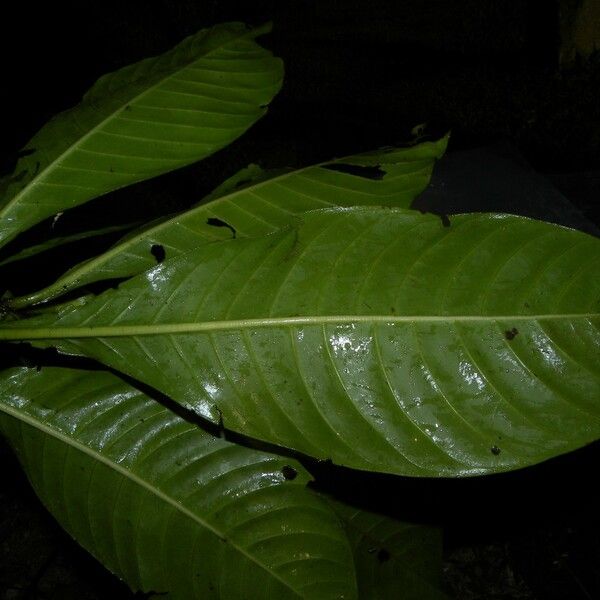
Meet the Psychotria grandis, often whispered about as the "Great Wild Coffee" or "Cafetillo." While it won't brew your morning espresso, this tropical giant is a stunning representative of the lush Central and South American rainforests. It is the architectural "big brother" of its genus, known for its commanding presence and glossy, oversized foliage that defines the humid understory.
🔍 How to Identify
- 🍃 Grand Foliage: True to its name, it features massive, elliptical leaves that can reach over a foot in length, boasting a deep, waxy green hue that reflects the light.
- 🦴 Prominent Ribbing: The veins are deeply impressed on the top of the leaf and strikingly raised underneath, giving the foliage a heavy, corrugated texture.
- ⚪ Clustered Blooms: It produces small, tubular white or greenish flowers that gather in dense, branching clusters at the ends of the stems.
- 🍒 Jeweled Berries: Following the bloom, the plant produces small, rounded fruits that transition from a bright green to a vibrant red or dark purple as they ripen.
🏡 In Your Garden
- ☁️ Humidity is King: This plant is a true child of the rainforest; it thrives in high humidity and dappled shade. If the air is too dry, its majestic leaves may begin to crisp and brown at the edges.
- 🌳 The Understory Vibe: Because it naturally grows beneath the forest canopy, it hates direct, scorching midday sun. It prefers rich, organic "jungle" soil that stays consistently moist but never stagnant or waterlogged.
⚠️ Safety & Toxicity
- 🚫 Caution Advised: While not classified as "deadly," most members of the Psychotria genus contain various alkaloids that can cause nausea or digestive distress if consumed.
- 🐾 Pets & Children: The berries and leaves should be kept out of reach of curious pets and toddlers. Ingesting any part of the plant may lead to vomiting or oral irritation.
✨ Fun Fact
The Psychotria genus is world-famous because some of its members are used in the preparation of traditional Amazonian ceremonial brews. However, Psychotria grandis is primarily celebrated by botanists for its ecological role, acting as a "buffet" for tropical birds who feast on its berries!

Detailed Care Instructions
To successfully grow Psychotria Grandis plant, also known as the red fruit prayer plant or wild coffee, follow these steps:
- Optimum Climate: This plant thrives in tropical or subtropical climates. Ensure that the temperature is consistently warm, around 65-85°F (18-29°C), and provide high humidity levels above 50%.
- Lighting: Place your plant in a spot that receives bright, indirect light. Avoid direct sunlight, as it can scorch the leaves. If indoor gardening, provide fluorescent grow lights to supplement natural light.
- Soil and Pot: Prepare a well-draining potting mix consisting of equal parts peat moss, perlite, and a high-quality potting soil. Ensure the pot has adequate drainage holes to prevent waterlogging.
- Watering: Keep the soil evenly moist during the growing season. Water the plant regularly, but do not allow the soil to become completely saturated. Avoid waterlogging, as it can lead to root rot. During the winter months, reduce watering frequency.
- Fertilization: Feed your Psychotria Grandis plant every other month with a balanced, water-soluble fertilizer formulated for houseplants. Follow the package instructions for dosage. Over-fertilization can lead to leaf burn, so be cautious not to exceed the recommended amount.
- Pruning: Regularly prune your plant to encourage bushier growth and maintain its shape. Snip off any leggy or damaged stems, and pinch off the tips to promote branching.
- Propagation: You can propagate Psychotria Grandis through stem cuttings. Take a 4-6 inch (10-15 cm) cutting from a healthy plant, remove the lower leaves, and dip the cut end in a rooting hormone. Plant the cutting in a pot filled with a moist mixture of perlite and peat moss, keeping the soil consistently damp until new roots develop.
- Pests and Diseases: Keep an eye out for pest infestations like aphids, spider mites, and mealybugs. Treat them with appropriate insecticides or organic remedies like neem oil. Prevent diseases by ensuring good air circulation and avoiding overwatering.
By following these steps, you should be able to provide the right conditions for the Psychotria Grandis plant to grow successfully.
Psychotria grandis is a tropical evergreen plant that requires a specific approach when it comes to watering. Here are some detailed guidelines to follow for watering this plant:
- Understand the plant's moisture needs: Psychotria grandis prefers consistently moist soil but not waterlogged conditions. It is important to strike a balance between keeping the soil adequately moist and avoiding excessive water accumulation.
- Choose the right soil: Ensure that the plant is potted in well-draining soil. Using a mixture of organic potting soil and perlite or sand can help improve drainage.
- Observe the plant's water requirements: Regularly check the moisture level of the soil by inserting your finger about an inch deep. If the soil feels slightly dry to the touch, it is time to water the plant.
- Watering frequency: As a general rule, water the plant thoroughly when the top inch of the soil feels dry. Avoid letting the soil completely dry out between watering sessions, as this may cause stress to the plant.
- Watering technique: When watering, do it slowly and gently to allow the water to evenly penetrate the soil. Avoid pouring water directly on the foliage, as wet leaves can make the plant more susceptible to diseases and pests.
- Pay attention to environmental factors: Factors like temperature, humidity, and sunlight levels can influence the plant's water requirements. Higher temperatures and increased exposure to sunlight may necessitate more frequent watering, while lower temperatures and low light conditions may require less water.
- Water quality: The quality of the water used for irrigation is crucial. Psychotria grandis responds well to filtered or distilled water, as it is sensitive to chlorine and other chemicals found in tap water.
- Drainage: Ensure that the plant's pot has drainage holes at the bottom to allow excess water to escape. This helps prevent waterlogging and root rot, which can be detrimental to the plant's health.
- Avoid overwatering: Overwatering can lead to root rot and other diseases. If the soil feels consistently wet and the plant shows signs of wilting or root rot, scale back on watering frequency immediately.
Remember that each plant may have specific needs, so it's always recommended to observe your Psychotria grandis closely and adjust the watering routine accordingly.
- Start by diluting a balanced water-soluble fertilizer according to the instructions on the package. This typically involves mixing a specific ratio of fertilizer to water.
- Ensure that the Psychotria Grandis plant is well-watered before applying fertilizer. Water the plant thoroughly a few hours before fertilizing to promote better nutrient absorption.
- Apply the diluted fertilizer to the soil around the base of the plant. Avoid directly spraying the leaves or flowers with fertilizer, as this can potentially damage or burn them.
- Use a watering can or sprayer to evenly distribute the fertilizer around the root zone of the plant. Aim to cover the entire area around the base of the plant where the roots are located.
- Be cautious not to over-fertilize the Psychotria Grandis plant. Over-fertilizing can lead to nutrient imbalances and may harm the plant. Follow the recommended dosage guidelines on the fertilizer package to ensure proper application.
- After fertilizing, water the plant lightly to help the fertilizer soak into the soil. This will aid in the absorption of nutrients by the plant's roots.
- Monitor the plant's response to fertilization. If new growth appears healthy and vigorous, it indicates that the fertilizer is being absorbed well. However, if the leaves show signs of yellowing or burning, adjust the fertilization regimen by reducing the amount or frequency of application.
- Fertilize the Psychotria Grandis plant regularly during the growing season, typically from spring to early fall. However, reduce or stop fertilizing during the plant's dormant period in winter.
- Keep in mind that every plant has unique nutritional requirements. Consider conducting a soil test or consulting with a gardening expert to determine the exact nutrient needs of the Psychotria Grandis plant in your specific location.
Psychotria grandis, also known as its common names [redacted], is a tropical shrub or small tree that belongs to the Rubiaceae family. When it comes to cultivating Psychotria grandis, a specific type of soil is essential to provide the ideal growing conditions for the plant.
For Psychotria grandis, it is recommended to use a well-draining, fertile soil that is rich in organic matter. The soil should have a pH level ranging from slightly acidic to slightly alkaline, ideally around 5.5 to 7.5. This pH range allows for proper nutrient absorption and overall healthy growth of the plant.
To create the ideal soil mix for Psychotria grandis, you can start by using a base of peat moss or coco coir, which helps retain moisture and provides a good structure to the soil. It should be mixed with equal parts of coarse sand or perlite to ensure adequate drainage and prevent waterlogging. The addition of perlite also helps to improve soil aeration.
In order to enrich the soil and further promote plant growth, you can also incorporate organic matter such as well-rotted compost or aged manure. This will provide essential nutrients and improve the overall soil fertility, which is beneficial for the healthy development of Psychotria grandis.
It is important to note that Psychotria grandis prefers soil that is consistently moist but not waterlogged, so regular watering is necessary. You should aim to keep the soil evenly moist, ensuring that it doesn't dry out completely between waterings.
In summary, for successful cultivation of Psychotria grandis, it is recommended to use a well-draining, fertile soil that is rich in organic matter. Providing the proper soil conditions will help support the growth and overall health of this tropical plant.
To propagate Psychotria grandis, follow these steps:
- Start by selecting a healthy and mature parent plant that will serve as the source for propagation. Ensure that the plant is disease-free and vigorous.
- Prepare the propagation medium: a well-draining soil mix. A suitable mix consists of equal parts of potting soil, perlite, and peat moss or coconut coir.
- Take stem cuttings from the parent plant using sharp and clean pruning shears. Choose stems that are approximately 4-6 inches long and possess several nodes.
- Remove any leaves from the cuttings, except for a few on the upper part. This will help minimize water loss and encourage successful rooting.
- Dip the bottom end of each cutting into a rooting hormone powder or gel. This will enhance root development and increase the chance of successful propagation.
- Create a hole in the propagation medium using a pencil or similar object and insert the bottom end of the cutting into the hole. Gently press the medium around the base of the cutting to stabilize it.
- Repeat this process for each cutting, ensuring a suitable distance between them to prevent overcrowding.
- Moisten the propagation medium thoroughly using a gentle spray of water or a misting bottle. Do not oversaturate the medium, as excessive moisture can lead to rotting.
- Place a transparent plastic bag or a propagation dome over the cuttings to create a humid environment. This will help retain moisture and promote root development.
- Keep the cuttings in a warm, well-lit area with indirect sunlight. Avoid exposing them to direct sunlight, as it may cause excessive heat and damage the delicate cuttings.
- Check the moisture levels regularly and mist the cuttings if necessary to maintain humidity. Ensure that the propagation medium remains moist but not waterlogged.
- After 6-8 weeks, gently tug on the cuttings to check for resistance, indicating successful root development. If the cuttings resist, it means they have established roots.
- Once rooted, carefully transplant the individual cuttings into small pots filled with a well-draining potting mix.
- Place the newly potted plants in a partially shaded area and gradually acclimate them to brighter light over the course of a week or two.
- Regularly monitor the plants' watering needs and provide adequate care, including fertilization with a balanced houseplant fertilizer according to the manufacturer's instructions.
With time and proper care, the propagated Psychotria grandis plants will grow into healthy individuals that can be enjoyed as unique additions to your collection.








