Plant Overview
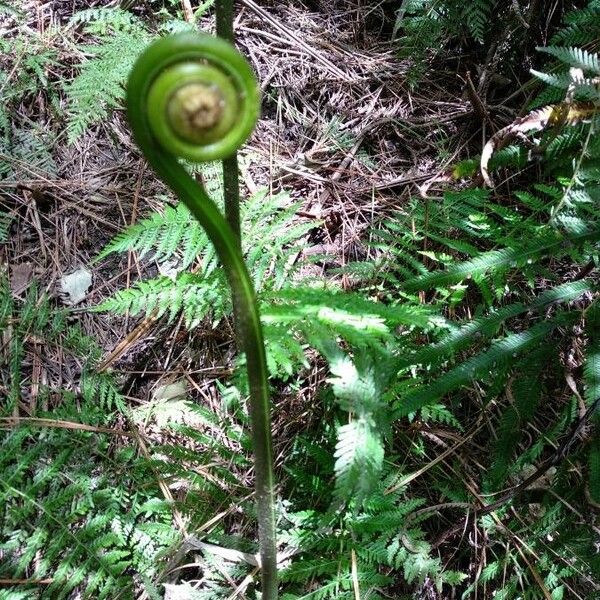
The Giant Brake Fern (Pteris tripartita) is nature’s way of creating a living green umbrella. Often called the "Giant Sword Brake," this fern is a showstopper in tropical landscapes, known for its dramatic, three-forked fronds that look like they belong in a dinosaur’s backyard. It is a fast-growing, prehistoric-looking beauty that brings instant "jungle vibes" to any humid environment.
🔍 How to Identify
- 🌿 The Three-Way Split: Its most defining feature is the way the main fronds divide into three distinct, primary branches (tripartite) from a single, sturdy stalk.
- 📐 Triangular Silhouette: The overall shape of the fronds is broadly triangular, often reaching massive sizes that can span several feet across.
- ✨ Lacy Pinnules: The leaflets, or pinnules, are deeply lobed and arranged in a neat, comb-like fashion, giving the large plant a surprisingly delicate and airy texture.
🏡 In Your Garden
- 💧 Humidity is Key: This fern is a moisture-lover through and through. It thrives in high-humidity areas; if the air gets too dry, the edges of those beautiful lacy fronds will quickly turn brown and crispy.
- 🪴 Room to Breathe: Because it has a wide, spreading growth habit, it needs plenty of space. It dislikes being cramped against walls or other plants, which can cause its fragile, heavy fronds to snap or become misshapen.
⚠️ Safety & Toxicity
- 🐾 Pet Friendly: You can breathe easy! The Giant Brake Fern is generally considered non-toxic to cats, dogs, and horses, making it a "paws-itive" addition to your home.
- 👶 Child Safe: It lacks thorns, prickly stems, or irritating saps, so it is a safe choice for families with curious toddlers.
✨ Fun Fact
The genus name Pteris is derived from the Greek word for "wing," referring to the feathery, wing-like appearance of the fern's fronds!

Detailed Care Instructions
To grow Pteris tripartita, also known as the Cretan brake fern, you can follow these steps:
- Purchase or obtain a healthy plant: Look for a healthy Pteris tripartita plant at a local nursery or online. Alternatively, you can propagate the plant from spores or divide an existing plant.
- Choose a suitable pot: Select a pot with good drainage holes and a size appropriate for the root system of the plant. A pot with a diameter of 8-10 inches should be sufficient.
- Prepare the potting mix: Create a well-draining potting mix by mixing equal parts of standard potting soil, perlite, and peat moss. This combination will provide a balanced growing medium for the fern.
- Plant the fern: Fill the pot halfway with the potting mix. Gently remove the Pteris tripartita plant from its nursery pot or divide an existing plant. Place the plant in the pot and cover the roots with the remaining potting mix. Press the soil gently around the plant to secure it.
- Provide the right environment: Pteris tripartita thrives in bright, indirect light. Place the potted plant in a location where it can receive filtered sunlight or partial shade. Avoid placing it in direct sunlight, as it can scorch the leaves.
- Water appropriately: Keep the soil consistently moist but not waterlogged. Pteris tripartita prefers slightly damp soil, so water thoroughly when the top inch of soil feels dry. Watering requirements may vary depending on your climate and humidity levels.
- Maintain high humidity: Pteris tripartita prefers high humidity levels. You can increase humidity by misting the plant with water daily or placing the pot on a tray filled with water and pebbles. As the water evaporates, it will create a humid microclimate around the fern.
- Fertilize occasionally: Feed the Pteris tripartita plant every 4-6 weeks during the growing season (spring and summer) with a balanced liquid fertilizer. Follow the instructions on the fertilizer packaging for proper application and dosage.
- Monitor for pests and diseases: Keep an eye out for pests like spider mites, mealybugs, or scale insects. If you notice any signs of infestation, treat the fern with an appropriate organic pesticide or insecticidal soap.
- Prune as needed: Remove any dead, yellowed, or damaged fronds regularly to maintain the plant's appearance. This will also encourage new growth.
By following these steps and providing the appropriate care, you should be able to grow a healthy Pteris tripartita plant.

Place in a dark room with little light, like a dark bedroom or a spot far away from a window or directly in a north-facing window.
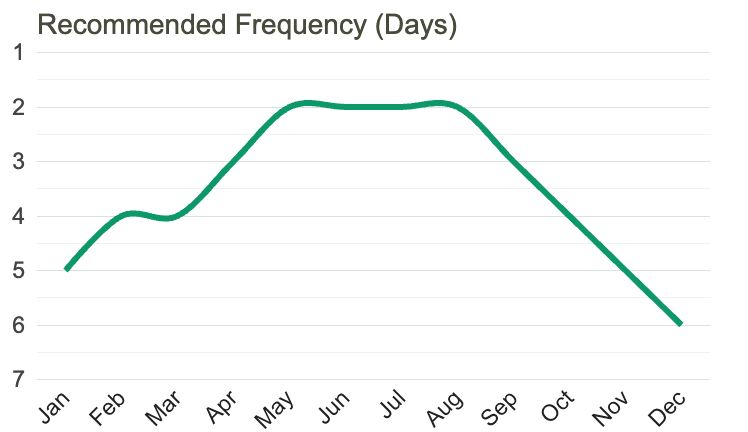
To water this plant, first, you should check the soil moisture level by inserting your finger about 2 inches into the soil. If it feels dry to the touch, it is time to water. Use room temperature water and water the plant thoroughly until water comes out from the drainage hole at the bottom of the pot. After watering, discard any excess water from the saucer to prevent root rot. When watering, avoid getting water on the leaves, as this can cause brown spotting or leaf burn. The frequency of watering will depend on the humidity and light conditions of your home, but generally, it should be watered when the top layer of soil feels dry. Overwatering can be detrimental to the plant's health, so it's best to let the soil dry out slightly before watering again.
To fertilize this plant, choose a balanced, water-soluble fertilizer that contains equal amounts of nitrogen, phosphorus, and potassium. Dilute it to half strength and apply every two weeks during the growing season, which is typically spring and summer. Be sure to water the plant first before fertilizing to avoid burning the roots. Avoid fertilizing during the dormant season, which is typically fall and winter.
The recommended soil for Pteris Tripartita plant is a well-draining, slightly acidic (pH 5.5-6.5) soil that is rich in organic matter. A combination of peat moss, perlite, and/or sand can be used to create a suitable soil mixture. The plant prefers moist soil, but it must not be waterlogged as this can cause root rot. Additionally, the plant should be placed in a location that receives indirect sunlight or filtered light. Fertilizer should be applied every two weeks during the growing season to enhance growth and foliage color.
- Choose a healthy parent plant: Look for a mature and healthy Pteris Tripartita plant, preferably with multiple fronds.
- Prepare the soil: Fill a pot or container with well-draining soil. Add a layer of pebbles or gravel at the bottom to ensure proper drainage.
- Take cuttings: Use a sharp, sterilized cutting tool to remove a healthy frond from the parent plant. Make sure the cutting is at least 4-6 inches long and has a few leaflets.
- Remove lower leaves: Remove the lower leaves from the cutting, leaving only a few at the top. This will allow the cutting to focus its energy on new growth instead of maintaining the existing leaves.
- Dip in rooting hormone: Dip the cut end of the cutting into rooting hormone powder. This will help stimulate root growth.
- Plant the cutting: Make a hole in the soil and carefully place the cutting into it. Gently press the soil around the stem to secure it in place.
- Water the cutting: Water the cutting thoroughly but make sure the soil is not waterlogged. Keep the soil moist but not too wet.
- Provide ideal conditions: Place the pot in a warm, bright location but out of direct sunlight. Keep the cutting away from cold drafts or dry air.
- Wait for roots to grow: Within a few weeks, new roots should start to grow from the cutting. Once the cutting has established roots, you can transplant it into a larger pot or directly into the ground.
- Monitor growth: Monitor the growth of the new plant and ensure it is receiving the right amount of water and light. With proper care, your new Pteris Tripartita plant should continue to grow and thrive.








