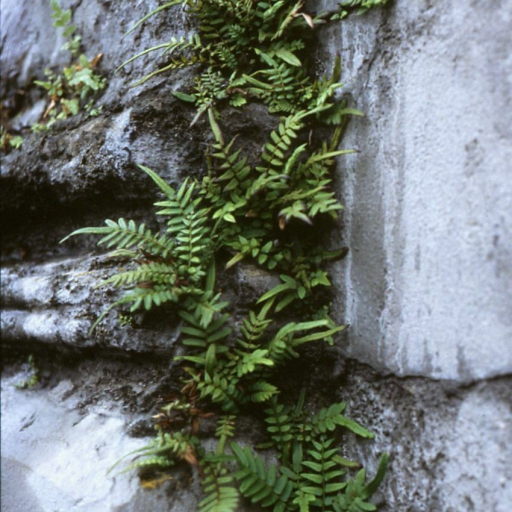
Plant Overview
Known affectionately as the Chinese Brake Fern or the Ladder Brake, this elegant greenery is far more than just a pretty face for your patio. While it looks like a delicate Victorian relic, it is actually one of nature’s toughest "super-cleaners," capable of thriving in harsh urban environments and even scrubbing heavy metals from the soil.
🔍 How to Identify
- 🌿 Ladder-like Fronds: Its long, arching fronds feature narrow leaflets (pinnae) that grow directly opposite each other, creating a distinct "ladder" appearance.
- 🍃 Linear Leaflets: Each individual leaflet is long and sword-shaped, tapering to a fine point with a slightly textured, serrated edge.
- 🪵 Scaly Stems: The base of the leaf stalks (stipes) is typically covered in pale, straw-colored scales, giving the plant a slightly fuzzy or rustic look at its core.
🏡 In Your Garden
- 🧱 The Wall-Dwelller: Unlike many ferns that demand deep forest leaf mold, the Chinese Brake Fern loves limestone. In the wild, it is often found sprouting from the mortar of old brick walls or rocky cliffs, making it perfect for rock gardens or "living walls."
- ☀️ Sun Resilience: While most ferns scorch in the sun, this species is surprisingly sun-tolerant. It prefers bright, indirect light but can handle a few hours of morning sun better than almost any other fern in its class.
- 💧 Thirsty but Tough: It enjoys consistent moisture but is remarkably resilient. If it dries out slightly, it usually bounces back quickly once watered, provided the drainage is sharp.
⚠️ Safety & Toxicity
- ✅ Safe for Pets: The Pteris vittata is generally considered non-toxic to cats, dogs, and humans, making it a safe choice for a busy household.
- ☢️ Environmental Warning: This plant has a unique "superpower": it is a hyperaccumulator of arsenic. While the plant itself isn't naturally poisonous, if it is grown in contaminated soil, it will store those toxins in its fronds. Avoid handling wild specimens found in industrial areas without gloves.
✨ Fun Fact
The Chinese Brake Fern is a hero of "phytoremediation." It can absorb and store arsenic at levels 100 to 1,000 times higher than other plants without suffering any damage. Scientists actually use "forests" of these ferns to clean up polluted industrial sites and old mines!

Detailed Care Instructions
| Humidity | Normal |
| Lighting | Part Sun |
| Difficulty | Medium |
| Hardiness Zones | 8A - 11 |
To grow Pteris vittata (also known as the Chinese brake fern or arsenic fern), follow these steps:
- Obtain a Pteris vittata plant: Purchase a healthy plant from a local nursery or garden center. Alternatively, you can propagate it from spores or division.
- Choose a suitable location: Pteris vittata prefers partial shade or filtered sunlight. Select an area that receives indirect light or a few hours of morning or late afternoon sun.
- Prepare the soil: Pteris vittata prefers moist, well-draining soil. Mix equal parts of organic matter (such as compost or well-rotted manure) with the existing soil to improve drainage and fertility.
- Planting: Dig a hole slightly larger than the root ball of the Pteris vittata plant. Place the plant into the hole, ensuring that it sits at the same level it was in the container. Gently firm the soil around the roots.
- Watering: Keep the soil consistently moist but not waterlogged. Water the plant regularly, especially during dry spells. Avoid overwatering, as excessive moisture can cause root rot.
- Mulching: Apply a layer of organic mulch, such as wood chips or straw, around the base of the plant. Mulch helps retain moisture, suppresses weed growth, and maintains a more stable soil temperature.
- Fertilization: Pteris vittata does not require frequent fertilization. However, you can apply a balanced, slow-release fertilizer in the spring to support growth. Follow the package instructions for the recommended dosage.
- Pruning: Remove any dead or damaged fronds to keep the plant tidy. Pruning back the plant in early spring can also help promote new growth.
- Controlling pests: Monitor the plant for common pests such as aphids or scale insects. If detected, treat the infested plant using an appropriate insecticide or by wiping the pests off with soapy water.
- Monitor soil arsenic levels: Pteris vittata is known for its ability to accumulate and tolerate high levels of arsenic in the soil. Regularly test the soil for arsenic levels to ensure it is within acceptable limits. Consult with a local testing service or horticultural specialist for guidance.
Remember that Pteris vittata is considered a heavy metal hyperaccumulator, and if you are growing it to remove arsenic from contaminated soil, proper disposal of the fronds and soil is necessary due to high arsenic content. Consult local guidelines for proper disposal procedures.

Place in a window with dappled sun or a spot in the middle of a room. Or directly in a window facing west or east.

To water the plant in question, gently pour water onto the soil surrounding the base of the plant until the soil becomes moist. Avoid getting water directly on the foliage as this can cause damage to the plant. Water the plant regularly, but make sure not to over-water it, as this can lead to root rot. It is recommended to allow the soil to dry out partially between waterings.
The Pteris vittata plant should be fertilized monthly with a balanced liquid fertilizer that is diluted to half-strength. During the growing season, a slow-release fertilizer can be added to the soil once every few months. Additionally, it is important to ensure that the plant is watered regularly, as dry soil can affect nutrient uptake. Avoid over-fertilizing, as this can damage the plant or cause excess growth.
Pteris Vittata is a type of fern that requires a well-draining soil, with a slightly acidic pH level ranging from 5.5 to 7.5. It can be grown in a mixture of loamy soil, sand, and peat moss, which provides adequate nutrients and drainage. The soil should be kept moist, but not waterlogged, and should be fertilized using a balanced fertilizer every 6-8 weeks during the growing season. Additionally, it is recommended to add perlite to the soil mixture to improve drainage and avoid root rot.
Pteris vittata can be propagated through spores or division. For spore propagation, collect mature spores from the fertile fronds and sprinkle them on a bed of moist soil. Cover the container with a plastic bag or clear lid and place it in a bright spot out of direct sunlight. Keep the soil moist and ensure good ventilation. In 4-8 weeks, ferns will emerge and can be transplanted into pots once they are large enough.
For division, remove a mature fern from its pot or garden bed and inspect the roots. Divide the plant into two or more sections, ensuring that each section has a good root system and several healthy fronds. Replant and water thoroughly, keeping the soil moist until the ferns are established.
Common pests of the chinese brake include Scale insect, mealybugs, spider mites, fungus gnats, aphids. Make a habit of checking your chinese brake frequently for pests so that any infestations can be caught and managed early.








