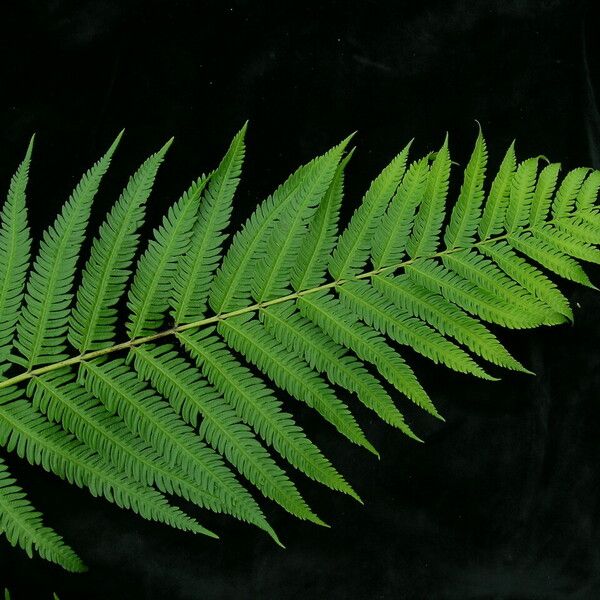
Plant Overview
Known as Wallich's Brake Fern, this botanical giant looks like it stepped straight out of a prehistoric forest. Native to the misty slopes of the Himalayas and East Asia, it is prized for its architectural drama and massive, umbrella-like fronds. It is a deciduous fern, meaning it performs a dramatic disappearing act in the winter only to return with vigor in the spring.
🔍 How to Identify
- 🌿 Tripartite Fronds: The most striking feature is how the fronds divide into three distinct, primary branches at the top of the stem, creating a wide, horizontal "fan" or "bird’s foot" shape.
- 📏 Giant Stature: Unlike your typical windowsill fern, this species is a titan; it can easily reach heights of 4 to 6 feet (1.2–1.8 meters) in the right conditions.
- 🎨 Soft Green Foliage: The leaflets are deeply lobed and possess a soft, almost papery texture with a bright, pale green hue that glows in dappled sunlight.
🏡 In Your Garden
- 💧 The Drainage Dance: While it loves the humidity of a rainforest, it "breathes" through its roots. It requires soil rich in organic matter that stays moist but never becomes a swamp, as the rhizomes are prone to rot in stagnant mud.
- 🌤️ Dappled Protection: Because its leaves are quite delicate and papery, they will scorch and turn crisp if exposed to direct afternoon sun. It performs best in "bright shade"—think of the light filtering through a tall tree canopy.
- 🍂 Seasonal Dormancy: If you live in a cooler climate, the plant will turn brown and wither in late autumn. Do not throw it away! This is a natural rest period; simply mulch the base to protect the "crown" and wait for the spectacular coiled fiddleheads to emerge in spring.
⚠️ Safety & Toxicity
- 🚫 Not for Consumption: Like many members of the Pteris family, this fern should be considered non-edible. Many brake ferns contain chemical compounds (such as ptaquilosides) that are toxic if eaten in large quantities.
- 🐾 Pet Caution: While not typically listed as highly "poisonous" like lilies or azaleas, it is best kept away from cats and dogs. Ingesting the fronds can lead to digestive upset or more serious long-term issues if chewed regularly.
✨ Fun Fact
- 📜 A Royal Name: This plant is named after Nathaniel Wallich, a 19th-century Danish botanist who was once a prisoner of war in India before becoming the superintendent of the Calcutta Botanical Garden. He is credited with introducing this "Jurassic" beauty to the Western world.

Detailed Care Instructions
Growing Pteris wallichiana, also known as Wallich's Brake or Wallich's Fern, can be a rewarding experience. This fern is native to tropical and subtropical Asia and requires specific conditions to thrive. Here are steps to help you grow Pteris wallichiana successfully:
1. Choosing the Right Location:
- Light: These ferns prefer bright, indirect light. Direct sunlight can scorch their fronds, while too little light can result in poor growth. A north-facing window or a shaded spot in the garden works best.
- Temperature: Pteris wallichiana thrives in temperatures ranging from 60-75°F (15-24°C). They don't tolerate frost well, so if you live in a colder climate, consider growing them indoors or in a greenhouse.
- Humidity: High humidity is essential. Indoor humidity levels can be increased using a humidifier or placing a water tray near the plant.
2. Planting:
- Soil: Use a well-draining, loamy soil rich in organic matter. A mix of standard potting soil with added peat moss and perlite works well.
- Pots and Containers: If planting in a pot, ensure it has drainage holes. Ferns don’t like their roots to sit in water.
3. Watering:
- Consistency: Keep the soil consistently moist but not soggy. Allow the top inch of soil to dry out between waterings.
- Method: Water thoroughly, allowing excess water to drain out of the pot. Avoid using water with high mineral content if possible.
4. Feeding:
- Feed your fern every 4-6 weeks during the growing season (spring and summer). Use a balanced, water-soluble fertilizer diluted to half strength. Reduce feeding in the fall and winter when growth slows.
5. Pruning and Maintenance:
- Pruning: Remove any dead or yellowing fronds to encourage new growth and to keep the plant looking tidy.
- Repotting: Repot every 2-3 years in the spring to provide fresh soil and to accommodate growth. Choose a pot that is only slightly larger than the current one to prevent overwatering issues.
6. Pest and Disease Management:
- Pests: Watch for common pests like aphids, scale, and spider mites. These can be managed with insecticidal soap or neem oil.
- Diseases: Fungal infections can occur if conditions are too wet or if there is poor air circulation. Ensure proper watering and air flow around your ferns to prevent these issues.
7. Propagation:
Pteris wallichiana can be propagated by spores or division.
- Division: The simplest method is division, which can be done when repotting. Gently separate a section of the fern with at least a few fronds and roots and plant it in its own pot.
- Spores: Spores can be collected from the underside of mature fronds. Sow them on a sterile, moist substrate and keep them in a warm, humid environment until they germinate.
By following these steps, you can cultivate a healthy and thriving Pteris wallichiana plant. It may take some time to understand its specific needs, but patience and attentive care will be rewarded with a beautiful fern.

Place in a window with dappled sun or a spot in the middle of a room. Or directly in a window facing west or east.
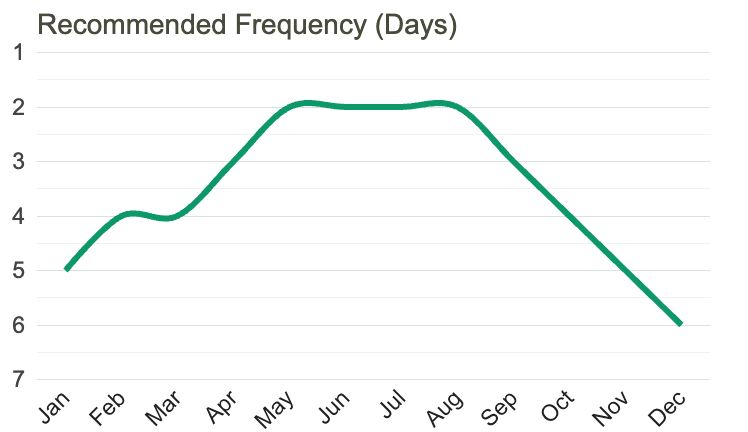
Pteris wallichiana, a species of fern, thrives in environments that mirror its natural habitat, which are typically moist and humid. Here are detailed guidelines on how to water this plant effectively:
1. Watering Frequency:
- Regularity: Water the plant consistently. This could be every few days, depending on the moisture retention of the plant's soil and the ambient humidity.
- Check Soil Moisture: Before watering, check if the top inch of the soil is dry to the touch. If it is, this indicates that the plant needs water.
2. Watering Method:
- Thorough Soak: Water until it flows out of the drainage holes at the bottom of the pot. This ensures the roots receive adequate moisture.
- Avoid Waterlogging: Ensure the pot has good drainage to prevent water from stagnating at the bottom, which can lead to root rot.
3. Water Quality:
- Use Lukewarm Water: Cold water can shock the plant. Use water at room temperature.
- Distilled or Rainwater Preferred: If possible, use distilled water or rainwater, as tap water can contain minerals and chemicals like chlorine that might build up in the soil.
4. Humidity Considerations:
- Maintain High Humidity: This species appreciates high humidity levels. Mist the plant regularly if the indoor air is dry.
- Humidity Tray: Place a tray filled with water and pebbles beneath the pot. As the water evaporates, it increases the humidity around the plant.
5. Seasonal Adjustments:
- Growing Season: During the active growing season (spring and summer), you might need to water more frequently as the plant's water uptake increases.
- Dormant Period: In fall and winter, reduce the watering frequency, as the growth slows down and the plant requires less moisture.
6. Environmental Factors:
- Light and Temperature: Ensure the plant is placed in an area where it receives bright, indirect light. Temperature fluctuations can affect its water needs; higher temperatures may necessitate more frequent watering, while lower temperatures may require less.
7. Soil and Potting Mix:
- Well-Draining Soil: Use a potting mix that offers good drainage while retaining some moisture. A mix designed for ferns or containing components like peat moss, perlite, and bark is ideal.
By following these guidelines, you can maintain a healthy and thriving Pteris wallichiana. Remember, the key is to balance consistent moisture without allowing the plant to stand in water.
Sure, here are fertilizing instructions for Pteris Wallichiana:
- Fertilizer Type: Use a balanced, water-soluble fertilizer with equal ratios of nitrogen, phosphorus, and potassium (e.g., 10-10-10 or 20-20-20). Alternatively, you can use a fertilizer formulated specifically for ferns or houseplants.
- Frequency: Fertilize the plant every four to six weeks during the growing season, which typically spans from spring through early fall. Reduce or suspend fertilizing during the dormant winter months.
- Dilution: Dilute the fertilizer to half the strength recommended on the package to avoid over-fertilization, which can damage the plant. For example, if the instructions suggest 1 teaspoon per gallon of water, use only 1/2 teaspoon per gallon.
- Application: Apply the diluted fertilizer solution evenly to the soil around the base of the plant, avoiding direct contact with the fronds to prevent potential burn.
- Monitoring: Observe the plant for signs of nutrient deficiency or over-fertilization. Yellowing leaves may indicate a need for more nutrients, while brown tips or edges could suggest excess fertilizer. Adjust your fertilization regimen accordingly.
Always ensure the plant is well-watered before applying fertilizer to prevent root burn and to help distribute nutrients more effectively.
Pteris wallichiana thrives best in soil that closely mimics its natural habitat. For optimal growth, consider the following characteristics for the soil:
- Texture: The soil should be well-draining but still able to retain some moisture. A mix that includes loamy soil with some added organic matter works well. You can achieve this by mixing equal parts of potting soil, peat moss or coco coir, and perlite or coarse sand.
- pH Level: Aim for a slightly acidic to neutral pH range, around 5.5 to 7.0. This range helps ensure that the plant has access to essential nutrients.
- Organic Matter: Incorporating organic matter such as compost or leaf mold is beneficial. This not only improves soil structure but also provides essential nutrients and enhances microbial activity.
- Drainage: Good drainage is essential to prevent waterlogging, which can lead to root rot. Ensure that your potting mix facilitates adequate drainage, and if you are growing this plant in a container, make sure the pot has drainage holes.
- Moisture Retention: While good drainage is crucial, the plant also needs constant moisture. Adding materials that retain moisture without becoming waterlogged, such as peat moss or coco coir, can help maintain a balanced moisture level.
- Aeration: The roots require good aeration. Including perlite or pumice in the soil mix can help keep the soil from becoming too compacted, allowing air to reach the roots more effectively.
By paying attention to these soil characteristics, you can create an environment that supports the needs of Pteris wallichiana, ensuring robust growth and vitality.
Pteris wallichiana, a fern species, can be propagated via spores or division. Here's a detailed guide for both methods:
Propagation by Spores
- Collecting Spores:
- Look for mature fronds with spore cases (sori) on the undersides.
- Wait until the sori turn dark brown, indicating ripeness.
- Gently tap the frond over a piece of paper to collect the fine dust-like spores.
- Look for mature fronds with spore cases (sori) on the undersides.
- Preparing the Substrate:
- Use a sterile, well-draining substrate such as a mix of peat moss and sand.
- Sterilize the substrate by steaming or heating to eliminate pathogens.
- Use a sterile, well-draining substrate such as a mix of peat moss and sand.
- Sowing Spores:
- Spread the spores thinly over the damp substrate.
- Cover the container with a plastic lid or plastic wrap to retain humidity.
- Place the container in indirect light, avoiding direct sunlight.
- Spread the spores thinly over the damp substrate.
- Germination and Growth:
- Maintain a consistent temperature of around 70-75°F (21-24°C).
- Keep the substrate moist but not waterlogged.
- Spores will first develop into a prothallus, a tiny heart-shaped structure.
- Over time, tiny fern fronds will emerge from the prothallus.
- Maintain a consistent temperature of around 70-75°F (21-24°C).
- Transplanting:
- Once the fronds have developed and are large enough to handle, carefully transplant them into individual pots with standard potting mix suitable for ferns.
- Gradually acclimate them to normal humidity conditions.
Propagation by Division
- Once the fronds have developed and are large enough to handle, carefully transplant them into individual pots with standard potting mix suitable for ferns.
- Selecting and Preparing the Plant:
- Choose a healthy, well-established plant with multiple crowns.
- Water the plant thoroughly the day before dividing to ensure the roots are hydrated.
- Choose a healthy, well-established plant with multiple crowns.
- Dividing the Plant:
- Carefully remove the plant from its pot or the ground.
- Gently shake off or wash away excess soil to expose the root structure.
- Using a sharp, sterilized knife or your hands, divide the rhizome into sections. Each section should have at least one crown and a healthy set of roots.
- Carefully remove the plant from its pot or the ground.
- Replanting the Divisions:
- Prepare pots with suitable well-draining potting mix.
- Plant each division at the same depth it was growing previously.
- Water thoroughly and ensure good drainage.
- Prepare pots with suitable well-draining potting mix.
- Aftercare:
- Place the pots in a location with indirect light.
- Maintain consistent moisture in the soil.
- Gradually acclimate the new plants to standard growing conditions.
General Care Tips
- Place the pots in a location with indirect light.
- Light: Provide bright, indirect light. Avoid direct sunlight which can scorch the delicate fronds.
- Water: Keep the soil consistently moist but not waterlogged. Ferns prefer high humidity, so misting can be beneficial.
- Temperature: Maintain a temperature range of 60-75°F (16-24°C). Avoid cold drafts or extreme temperature fluctuations.
- Fertilization: Use a balanced, water-soluble fertilizer diluted to half-strength once a month during the growing season.
With proper care, Pteris wallichiana can thrive and add a lush, green touch to your indoor or outdoor spaces.








