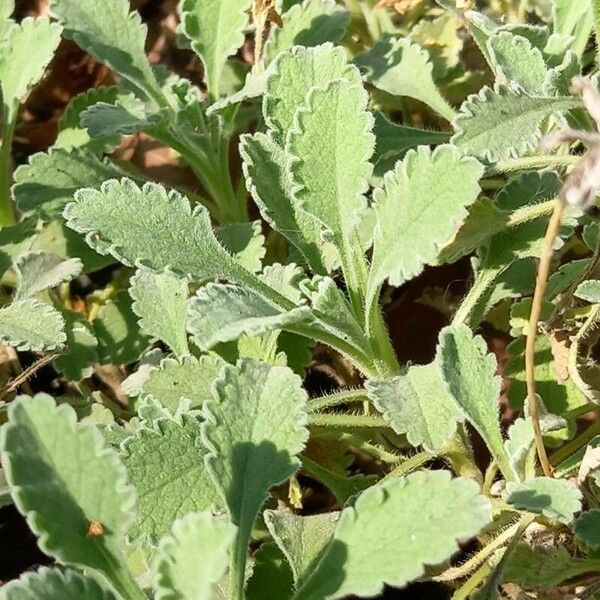
Plant Overview
Often called the "Winghead" or the "Knotweed-leafed Pincushion," this Mediterranean gem is a favorite for those who love low-maintenance rock gardens. It forms a soft, silvery-green carpet that erupts into delicate, mauve-pink flowers that look remarkably like its cousin, the Scabiosa. It’s a tough survivor that brings a touch of wild mountain beauty to any sunny border.
🔍 How to Identify
- 🌸 Pincushion Blooms: The flowers are dense, rounded heads of tiny pink-to-lilac florets, often appearing to have "pins" (stamens) sticking out.
- 🍃 Fuzzy Foliage: The leaves are grayish-green, deeply lobed, and covered in fine hairs, giving the plant a soft, velvety texture.
- ☁️ Feathery Seed Heads: Once the flowers fade, they transform into decorative, fluffy, or papery seed heads that look like tiny shuttlecocks.
🏡 In Your Garden
- 🪨 The Rock Specialist: This plant is a lithophyte at heart, meaning it thrives in rocky crevices and gritty soil. It hates "wet feet," so ensuring your soil drains quickly is more important than the quality of the soil itself.
- 🦋 Pollinator Priority: Despite its low-growing habit, its nectar-rich flowers are high-traffic areas for bees and butterflies, making it an excellent choice for a biodiversity-focused groundcover.
⚠️ Safety & Toxicity
- ✅ Non-Toxic: Pterocephalus species are generally considered safe and non-toxic for humans, cats, and dogs.
- 🧤 Mild Irritant: While not poisonous, the fine hairs on the foliage can be a minor skin irritant for people with very sensitive skin. It is always wise to wear gloves if you are doing extensive weeding or pruning.
✨ Fun Fact
The name Pterocephalus is derived from the Greek words pteron (wing) and kephale (head). This refers to the feathery bristles on the seeds, which act like tiny parachutes to help the plant's offspring catch the wind and travel to new locations!

Detailed Care Instructions








