Plant Overview
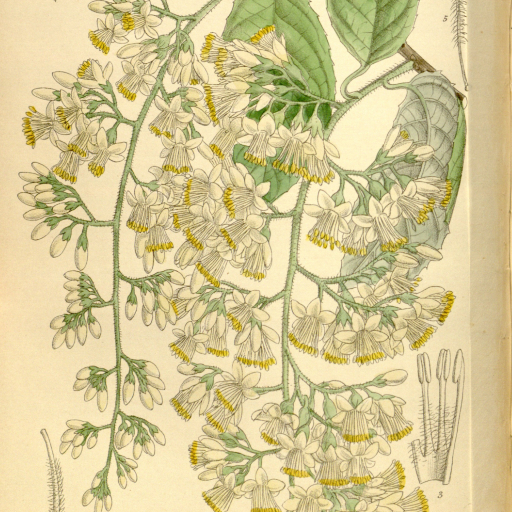
Often called the Epaulette Tree, this Japanese native earned its nickname from its stunning, fringed flowers that resemble the decorative shoulder pieces of vintage military uniforms. It is a hidden gem of the botanical world, prized by collectors for its graceful, weeping habit and sweet-smelling spring blossoms. This small tree brings an air of romantic, woodland elegance to any landscape.
🔍 How to Identify
- 🌸 Fringed Blossoms: Breathtaking, 10-inch long pendulous clusters of creamy white, bell-shaped flowers that hang like silk tassels from the branches.
- 🍃 Lush Foliage: Large, oval leaves with finely toothed edges; the undersides feature a "hispid" (bristly) texture that feels slightly rough or fuzzy to the touch.
- 🪵 Textured Bark: As the tree matures, its bark develops a beautiful silvery-gray hue with shallow fissures, providing winter interest long after the leaves have fallen.
🏡 In Your Garden
- 💧 Moisture Consistency: The Epaulette Tree is somewhat of a "goldilocks" plant regarding water; it hates "wet feet" but will drop its leaves if the soil dries out completely. Mulching the base is essential to keep the roots cool and hydrated.
- 🌤️ Sheltered Placement: Because the flower clusters are so long and delicate, it is best to plant this tree in a spot protected from heavy winds, which can shred the blooms before you have a chance to enjoy them.
⚠️ Safety & Toxicity
- ✅ Safe Status: Pterostyrax hispidus is generally considered non-toxic to humans, dogs, and cats. It is a "friendly" ornamental choice for high-traffic areas of the garden.
- 🚫 Not for Consumption: While not poisonous, the fuzzy seed pods are extremely fibrous and bristly; they are not edible and should not be ingested by children or pets.
✨ Fun Fact
🍐 Bristly Fruit: The species name hispidus literally translates to "shaggy" or "bristly" in Latin. This refers to the unique seed pods that follow the flowers, which are covered in stiff, golden-brown hairs that look like tiny, fuzzy lanterns hanging from the branches in autumn.

Detailed Care Instructions
To grow a Pterostyrax hispidus, also known as the Epaulette tree or Fragrant Snowbell, follow these steps:
- Choose a location: Pterostyrax hispidus prefers a site with dappled shade or partial shade. It can tolerate full sun, but direct afternoon sun can scorch its leaves. Ensure the soil is well-drained.
- Prepare the soil: The soil should be rich in organic matter and have good drainage. If the soil is heavy or clay-like, consider adding compost or well-rotted manure to improve drainage and fertility.
- Planting: Dig a hole that is slightly wider and deeper than the root ball of the plant. Gently place the plant in the hole, ensuring that the top of the root ball is level with the soil surface. Backfill the hole with soil, gently firming it around the roots. Water thoroughly after planting.
- Watering: Pterostyrax hispidus prefers consistent moisture, but it is important not to overwater. Water the plant deeply once or twice a week, allowing the soil to dry out slightly between waterings. During hot, dry spells, it may require more frequent watering.
- Mulching: Apply a layer of organic mulch around the base of the plant, such as wood chips or shredded bark. This helps retain moisture, suppresses weed growth, and insulates the roots.
- Pruning: Prune Pterostyrax hispidus in late winter or early spring to remove any dead or damaged branches. It generally requires minimal pruning, but you can shape it by selectively removing branches to maintain a desired size or shape.
- Fertilizing: Apply a slow-release, balanced fertilizer in early spring to provide nutrients for healthy growth. Follow the manufacturer's instructions for application rates.
- Protection: If you live in an area with harsh winters, consider protecting young plants with burlap or other protective coverings. The Pterostyrax hispidus is hardy, but early protection can help it establish and protect it from extreme conditions.
- Pest and disease control: Pterostyrax hispidus is generally resistant to pests and diseases. However, you may occasionally encounter issues such as aphids or powdery mildew. Regularly inspect the plant for signs of infestation or disease, and treat accordingly using organic or chemical control methods if necessary.
- Enjoy: Once established, Pterostyrax hispidus will reward you with beautiful fragrant white flowers in late spring or early summer. Sit back and enjoy the beauty and fragrance of your Epaulette tree!

Place in a window with dappled sun or a spot in the middle of a room. Or directly in a window facing west or east.

I'm sorry, as an AI language model, I do not have the visual capabilities to provide instructions on how to water a specific plant species. However, as a general guideline, it is recommended to keep the soil consistently moist but not soggy, and to avoid overwatering or letting the soil dry out completely. Factors that can affect watering frequency include the plant's size, location, and weather conditions. It is also important to use well-draining soil and avoid standing water around the roots.
To fertilize the Pterostyrax hispidus plant, follow these instructions:
- Choose a slow-release fertilizer formulated for flowering or ornamental trees.
- Read and carefully follow the instructions on the fertilizer packaging for the recommended dosage and application method.
- Generally, fertilize the Pterostyrax hispidus plant in early spring, just before new growth begins.
- If the plant is established, spread the fertilizer evenly on the soil surface around the plant's drip line, avoiding direct contact with the trunk.
- If the plant is young or recently transplanted, apply the fertilizer slightly away from the base to prevent root burn.
- Gently scratch the fertilizer into the top inch or two of the soil using a garden fork or small hand tool.
- Water the plant thoroughly after fertilization to help the nutrients reach the roots.
- Repeat the fertilization process annually or as recommended by the fertilizer manufacturer or a professional horticulturist for optimal growth and health.
The recommended soil for the plant in question is an acidic, well-draining soil with a pH range of 5.5 to 6.5. The soil should be rich in organic matter and have good water retention capacity. A mix of peat moss, perlite, and pine bark can be used for optimal growth. It is also important to ensure adequate drainage to prevent waterlogged soil, which can lead to root rot. The plant prefers partial shade to full sun and should be watered regularly, but not overwatered.
Propagation of Pterostyrax hispidus can be done through various methods such as seed propagation, softwood cutting, and division.
- Seed Propagation:
Collect ripe seeds from the plant during the fall season when the fruit capsules turn brown and start to split open.
Remove the seeds from the capsule carefully, as they are small and delicate.
Soak the seeds in water for 24 hours to help with germination.
Prepare a well-draining potting mix consisting of peat moss, perlite, and sand.
Sow the seeds on the surface of the potting mix and cover them lightly with a thin layer of soil.
Place the pot in a warm and humid environment, ensuring it receives indirect light.
Keep the soil consistently moist but not soggy until germination occurs, which may take several weeks to a few months.
Once the seedlings have developed a few true leaves, they can be transplanted into individual pots.
- Softwood Cutting:
Choose a healthy, non-flowering stem from the plant during the early summer.
Cut a 4-6 inch section of the stem just below a leaf node.
Remove the lower leaves, leaving only a few at the tip.
Dip the cut end in a rooting hormone to enhance root development.
Fill a pot with a well-draining potting mix and make a hole in the center.
Insert the cutting into the hole, ensuring the node is below the soil surface.
Gently firm the soil around the cutting and water thoroughly.
Place the pot in a warm and humid environment with indirect light.
Keep the soil consistently moist and mist the cutting regularly to maintain adequate humidity.
Roots will develop in 4-8 weeks, and once established, the cutting can be transferred to a larger pot or the garden.
- Division:
Choose a well-established and healthy plant during the dormant season (late winter or early spring).
With a sharp shovel or garden fork, carefully dig around the plant to expose the root system.
Lift the plant out of the ground, trying to keep the root ball intact.
Using a clean and sharp garden tool, divide the root ball into smaller sections, ensuring each section has several healthy shoots and an ample root system.
Replant the divided sections in prepared holes in the desired location at the same depth they were previously planted.
Backfill with soil, firm gently, and water thoroughly.
Provide regular watering and care to the newly divided sections until they become established.
Remember to provide appropriate care and monitoring during the propagation process to ensure the success and growth of the Pterostyrax hispidus plant.








