Plant Overview
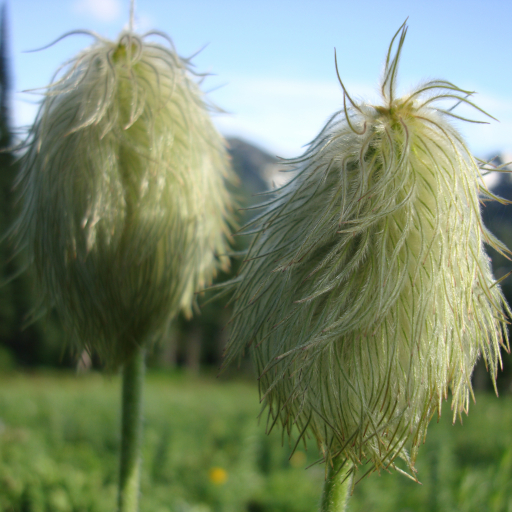
Known affectionately as the "Towhead Baby" or "Mop-top" for its shaggy, Muppet-like seed heads, the Western Pasqueflower is a rugged high-altitude specialist. It is one of the first signs of life in the alpine meadows of North America, often pushing its way through the very last patches of melting snow. It transforms beautifully from an elegant, silky chalice into a wild, feathery plume that dances in the mountain wind.
🔍 How to Identify
- 🌸 Chalice Blooms: Large, cup-shaped white flowers (actually sepals) that often have a soft lavender or blue tint on the underside.
- 🌿 Silky Foliage: Deeply divided, fern-like leaves that are covered in fine, silvery hairs. These hairs act as a "fur coat" to protect the plant from freezing temperatures and intense UV rays.
- ☁️ Plumed Seed Heads: After the flower fades, it develops a dramatic, shaggy cluster of feathery seeds. This "towhead" look is its most recognizable feature and helps the seeds catch the wind to travel.
🏡 In Your Garden
- 🏔️ The Alpine Challenge: This plant is an alpine specialist, meaning it craves "grit." It thrives in rocky, well-drained soil and prefers cool summers. It will struggle in hot, humid climates where the soil stays soggy.
- ⚓ Deep Taproot: The Western Pasqueflower anchors itself with a long, tenacious taproot. Because of this, it absolutely hates being moved once established. If you are planting one, choose its forever home carefully, as transplanting is rarely successful.
⚠️ Safety & Toxicity
- 🚫 Toxic Status: Highly toxic if ingested.
- 🧤 Skin Irritant: Like many members of the Buttercup family, it contains protoanemonin. Touching the sap can cause skin irritation or even blistering for some people. It is best to keep this plant away from curious pets and small children, and wear gloves when gardening around it.
✨ Fun Fact
🌡️ Solar Heating: The cup-shaped flower acts like a parabolic mirror, reflecting sunlight toward the center of the bloom. This can make the inside of the flower up to 10°C (18°F) warmer than the surrounding air, creating a cozy "heat lamp" for the insects that pollinate it!

Detailed Care Instructions
To grow Pulsatilla Occidentalis (also known as Western Pasqueflower), you can follow these steps:
- Planting: Select a suitable location for planting, which should receive full sunlight or partial shade. The soil should be well-draining and slightly acidic.
- Germination: Pulsatilla Occidentalis seeds require a process called stratification for successful germination. For this, mix the seeds with moist sand or peat moss in a plastic bag and refrigerate it for 2-3 months. This mimics the winter conditions.
- Transplantation: After the stratification period, remove the seeds from the refrigerator and sow them on the prepared planting bed. Plant the seeds about ¼ inch deep in the soil. Space them a few inches apart to give them room to grow.
- Watering: Keep the soil consistently moist but not waterlogged. Avoid overwatering as it can lead to root rot. Water the plants regularly, especially during dry spells.
- Mulching: Apply a layer of organic mulch around the plants to retain moisture, suppress weed growth, and regulate soil temperature.
- Maintenance: Pulsatilla Occidentalis is a low-maintenance plant. Remove any weeds that compete for nutrients and control pests if necessary. Avoid excessive fertilization, as it may cause the plant to become leggy.
- Blooming and seed collection: Pulsatilla Occidentalis usually blooms in spring, producing attractive purple or lavender flowers. After blooming, allow the flowers to go to seed. These seeds can be collected, stored, and used for future propagation.
Remember that Pulsatilla Occidentalis is a native wildflower, so it requires minimal intervention. Allow it to establish and thrive in its natural habitat, and it will reward you with beautiful blooms.

Place in a bright room that is sun drenched almost all day. Or directly in a south-facing window.

Pulsatilla occidentalis is a flowering plant that requires proper watering to thrive. When watering this plant, it is important to avoid overwatering, as this can lead to root rot and other issues. It is also important to avoid underwatering, as this can cause the plant to become stressed and eventually die.
To water Pulsatilla occidentalis, start by checking the soil around the plant. If the soil is dry to the touch, it is time to water. Use a watering can or hose to gently water around the base of the plant, making sure to soak the soil thoroughly but not let the water pool around the plant. The soil should be moist but not soggy.
It is important to water Pulsatilla occidentalis regularly during the growing season, which is typically in the spring and summer. During the fall and winter months, the plant may require less water, as it becomes dormant. Keep an eye on the soil moisture and adjust your watering schedule accordingly.
Overall, Pulsatilla occidentalis is a hardy plant that is easy to care for. With proper watering and care, it can provide beautiful blooms and brighten up your garden or landscape.
To fertilize this plant, use a balanced fertilizer with a ratio of 10-10-10. Apply the fertilizer in the spring before new growth appears. Use a slow-release fertilizer or apply liquid fertilizer every two weeks during the growing season. Be careful not to over-fertilize, as this can damage the plant. Water the plant thoroughly after fertilizing.
When planting the Pulsatilla Occidentalis plant, it is important to choose the appropriate type of soil. The ideal soil for this plant should be well-draining, with a pH level that ranges between slightly acidic to slightly alkaline. The soil should also be rich in organic matter, which will help to improve its water retention capacity and overall fertility. It is recommended to mix some compost or other organic matter such as peat moss, into the soil before planting the Pulsatilla Occidentalis. This will help to improve the soil texture and provide the plant with the necessary nutrients it needs to grow and thrive. Additionally, it is important to ensure that the soil is not too compacted, as this can hinder the plant's growth and cause root rot. To avoid this, it is recommended to loosen up the soil prior to planting by digging it up with a garden fork, and add some sand or other mineral material to assist with drainage.
There are several ways to propagate this plant. One way is through seed propagation. Propagating through seed involves collecting ripe seeds from the plant, drying them out, and then planting them in a suitable growing medium.
Another way to propagate this plant is through plant division. To propagate through plant division, carefully dig up the plant and separate the root system into smaller sections. Each section should have a good portion of the roots and some stems and leaves. Plant each section in suitable soil and water thoroughly.
Propagation can also be accomplished through stem cuttings. Cut a stem section several inches long from the plant and remove the leaves from the lower half of the stem. Plant the stem cutting in a suitable growing medium and water thoroughly. Provide adequate light and moisture until roots have formed and the plant is established.
Regardless of the propagation method chosen, it is important to provide suitable growing conditions for the new plants, including appropriate lighting, soil, and moisture levels.








