Plant Overview
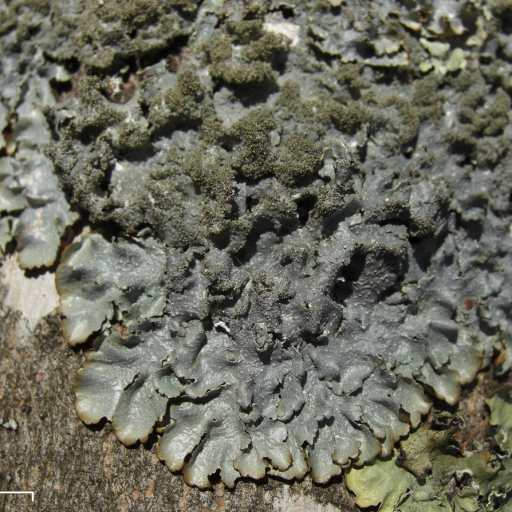
Often called the Rough Speckled Shield Lichen, this common find transforms ordinary tree trunks into a tapestry of blue-green lace. It isn’t actually a single plant, but a fascinating biological "marriage" between a fungus and an alga, living together in a symbiotic embrace. It is one of the most widespread lichens in North America, acting as a quiet, living ornament on hardwood trees.
🔍 How to Identify
- 🍃 Leafy Lobes: It features a "foliose" (leafy) structure with lobes that press flat against the bark, typically appearing in shades of mineral gray or seafoam green when dry, turning more vivid green when wet.
- ❄️ White "Freckles": If you look closely at the surface, you’ll see tiny white dots called pseudocyphellae. These are actually tiny pores that allow gases to reach the algae living inside.
- 🌵 Grainy Texture: The center of the lichen is usually covered in "isidia"—tiny, sand-like bumps that give it a rough, sandpaper feel. These bumps break off to help the lichen reproduce and spread.
🌲 Habitat & Ecology
- 🌳 Hardwood Preference: You will most often spot it on the rough bark of deciduous trees like Oaks, Maples, and Hickories. Unlike moss, it doesn't need soil; it simply uses the tree as a sturdy place to sit.
- 🌬️ Resilient Resident: While many lichens are extremely sensitive to pollution, the Rough Speckled Shield is a bit of a "city slicker." It is relatively tolerant of moderate air pollution, making it a common sight in suburban parks and backyards.
⚠️ Safety & Toxicity
- ✅ Safe to Touch: This lichen is completely harmless to humans and pets if touched. It also does not harm the trees it grows on; it is not a parasite and does not "steal" nutrients from the bark.
- 🚫 Do Not Ingest: While not considered highly toxic, lichens are very difficult for the human stomach to digest and can concentrate heavy metals or pollutants from the surrounding air.
- 🐾 Pet Safety: It is generally ignored by pets, but if a dog were to eat a large amount, it might cause mild stomach upset.
✨ Fun Fact
Lichens like Punctelia rudecta are masters of time. They grow incredibly slowly—often only a few millimeters per year—meaning that a patch the size of your palm could easily be older than the house you live in!

Detailed Care Instructions
Punctelia Rudecta plant should be watered thoroughly from the base, ensuring that the roots are soaking in water for an adequate amount of time. It is important not to overwater the plant, as this can result in root rot or other fungal diseases. It is best to water the plant in the morning or early afternoon to avoid waterlogging the soil overnight. Additionally, the plant should be watered less frequently during the winter months, as it can withstand periods of drought. Always ensure that the soil is moist but not so wet that it becomes waterlogged.
The ideal soil for the Punctelia Rudecta plant should be rich in nutrients, well-draining, and have a pH level between 6.0 and 7.5. It should also be acidic to neutral in nature. The soil should consist of organic matter and should be kept moist but not waterlogged. Furthermore, the soil should not contain any harmful chemicals or toxins, as this can be detrimental to the growth and health of the plant. Fertilizers and compost can be added to improve soil quality. Additionally, it is important to ensure that the soil is well-aerated to allow for proper oxygen flow to the roots of the plant.







